Americas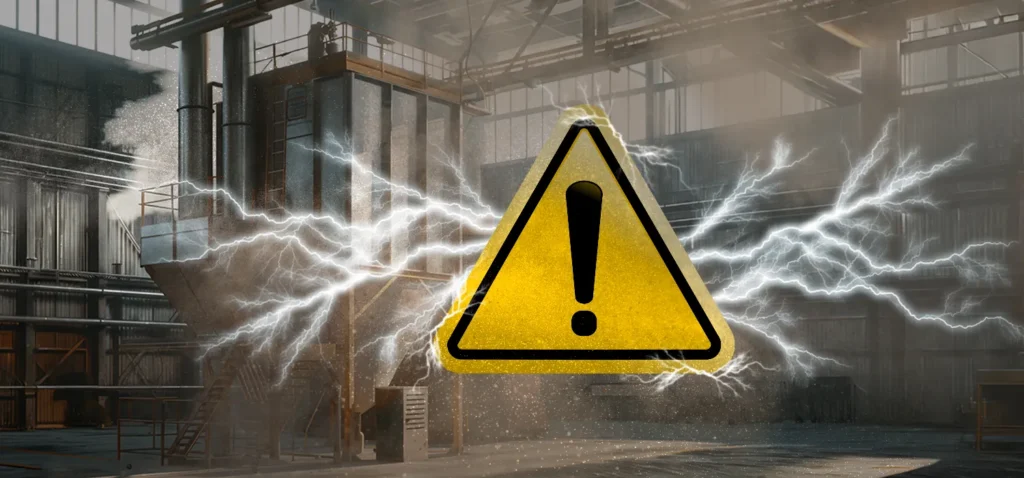
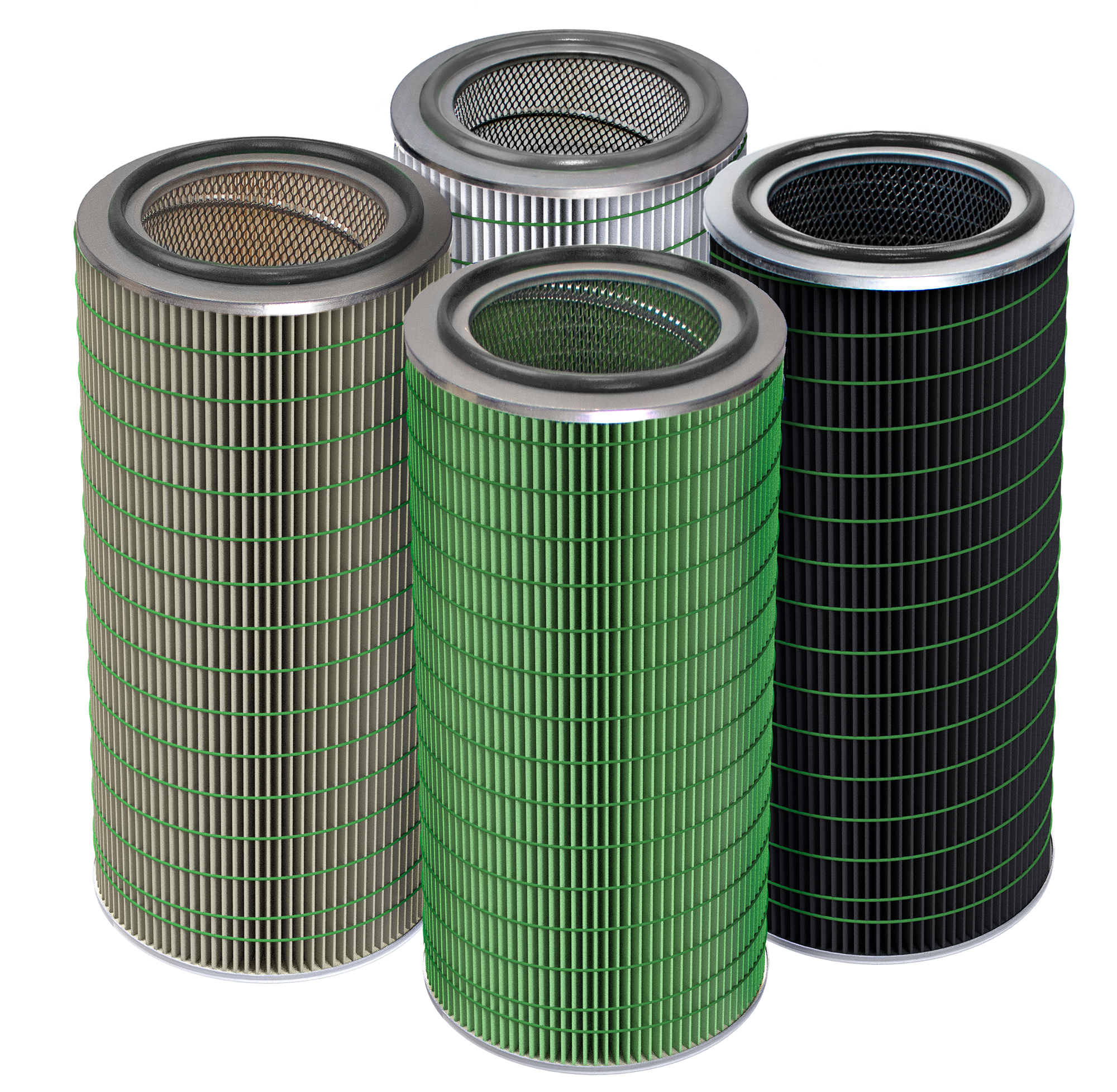
When collecting dust, static electricity can just be a nuisance. However, in some processing environments, accumulated electrostatic charge can contribute to fires, explosions, equipment damage and safety risks. Selecting the right filter and filter media is essential for effectively managing static electricity in dust collectors, ensuring the safe operation of the entire dust collection system. Camfil’s Stat-Safe™ filters are high quality static dissipative filters designed for processes that have inherent static electricity or may generate it, improving safety.
What are Stat-Safe filters?
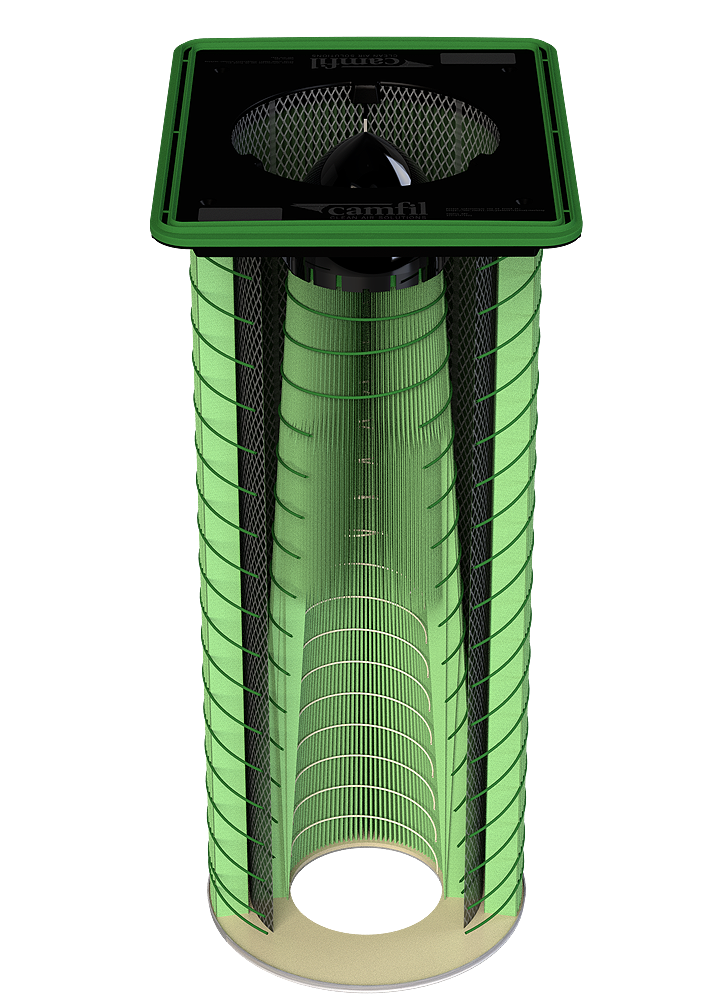
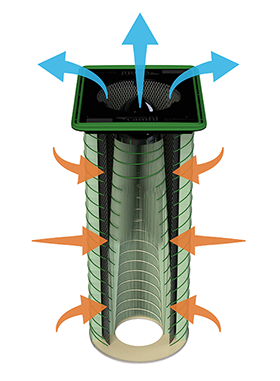
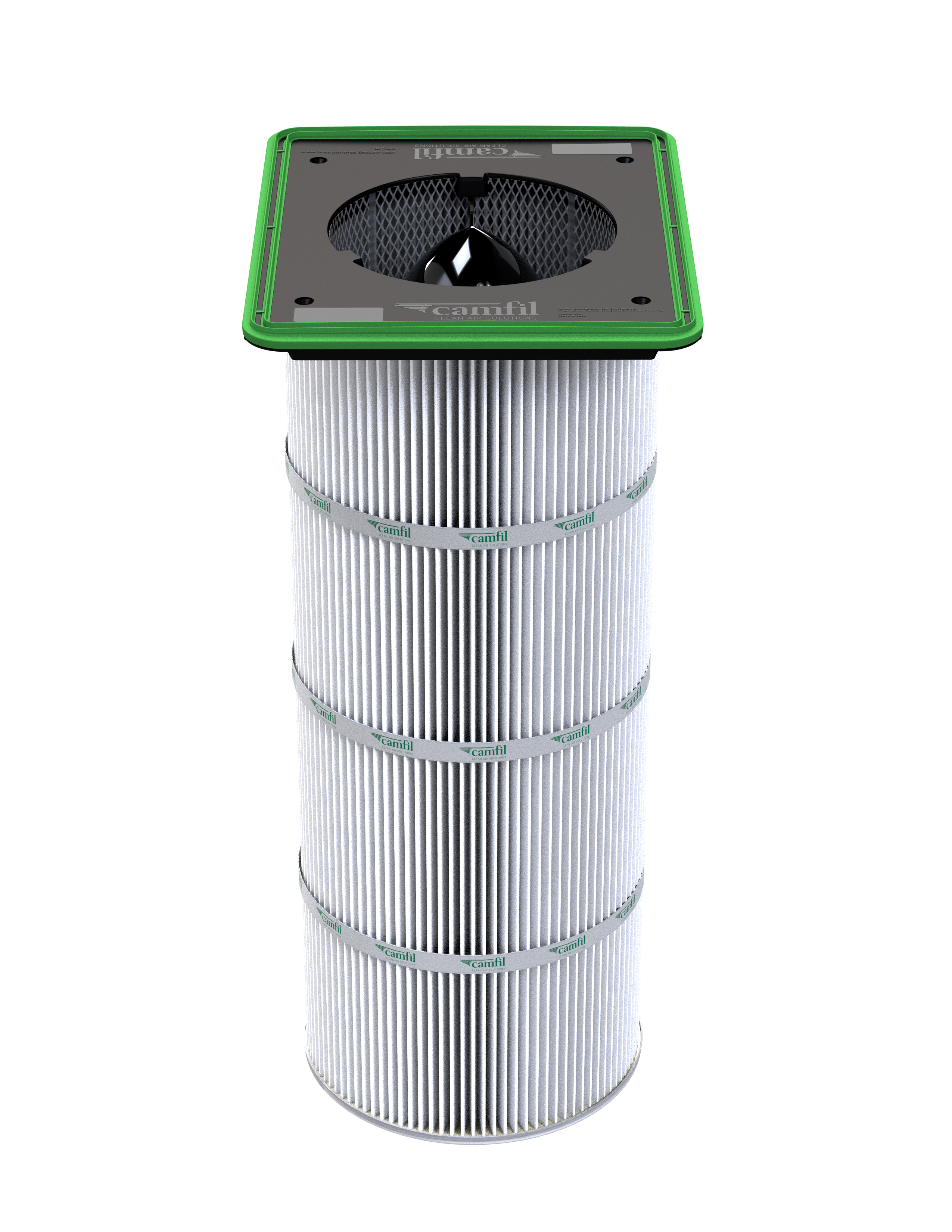
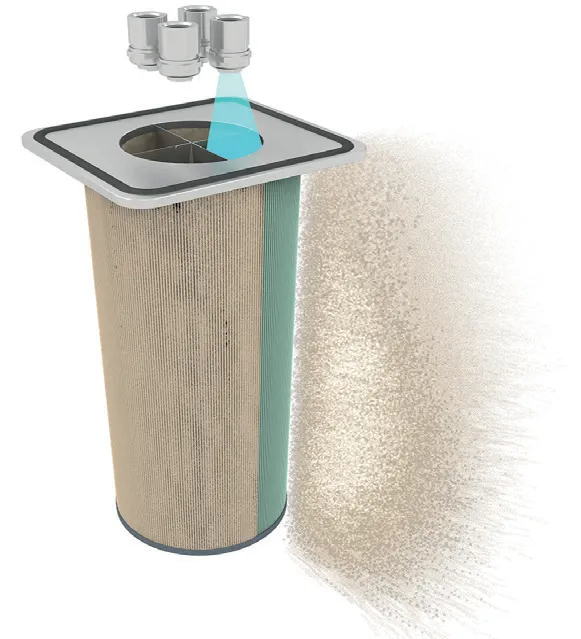
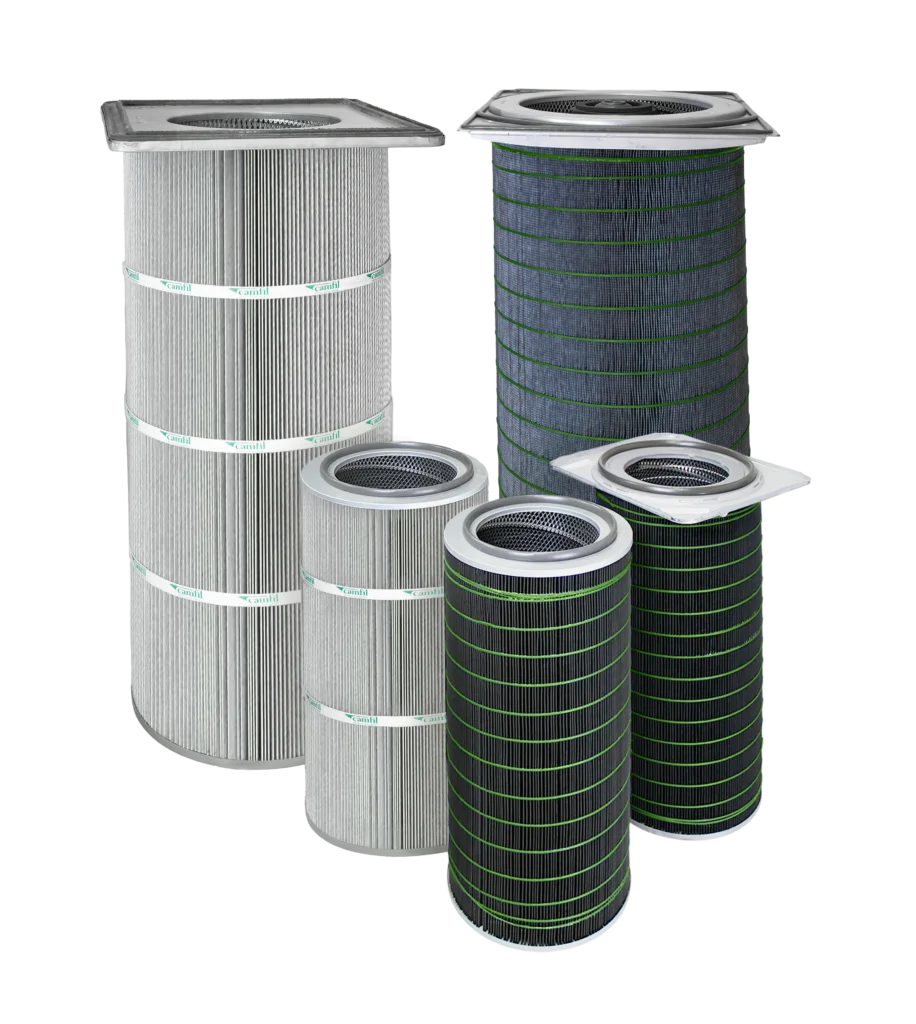
Camfil Stat-Safe filters are static dissipating dust collector filter cartridges designed to help dissipate static charges more reliably within the filter itself, rather than depending on separate grounding components. This design ensures the collector, internal components and filters are grounded to earth without adding components that could fail.
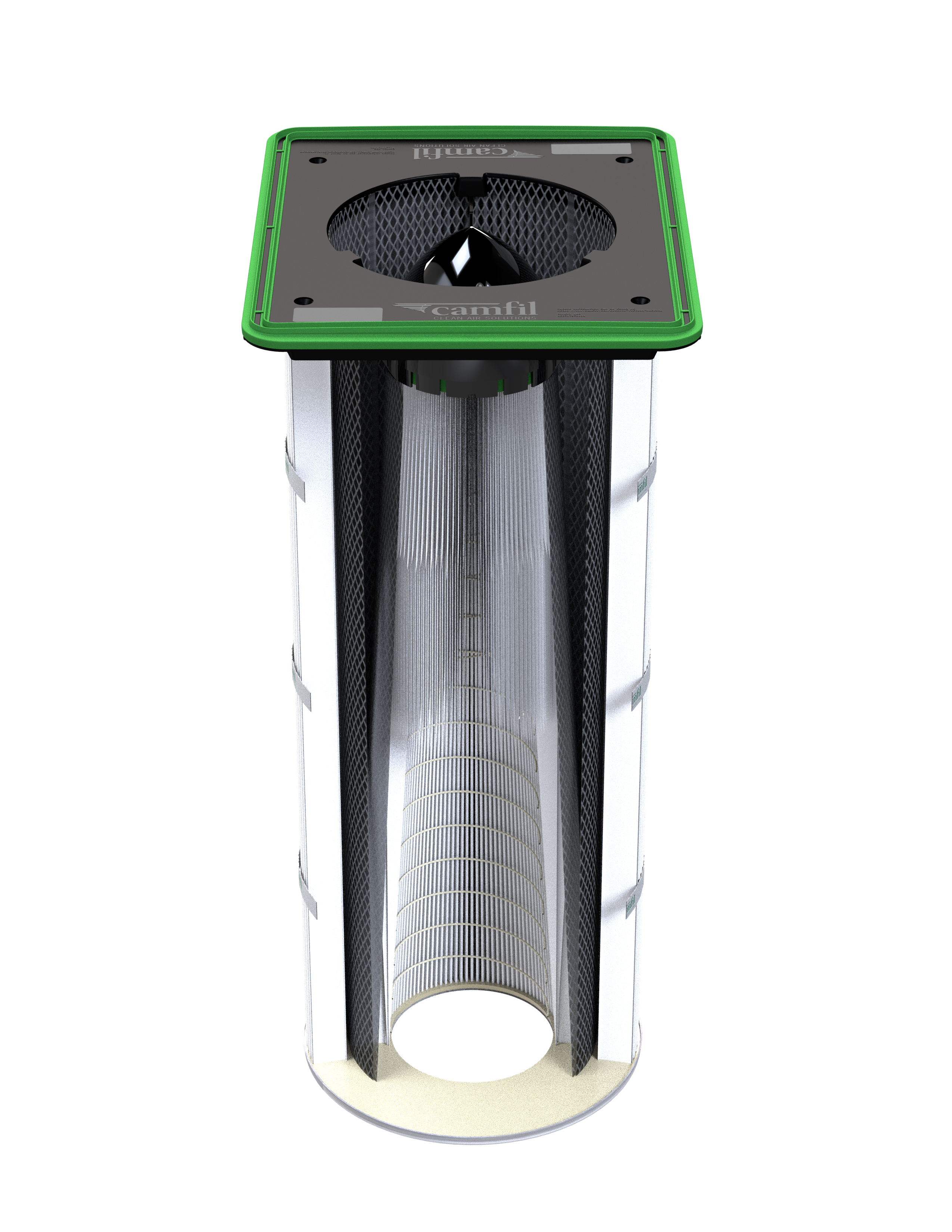
Stat-Safe filters use a patented antistatic urethane to dissipate static charges and reduce the buildup of static electricity inside the dust collector. The urethane also serves as the adhesive securing the filter pans to the media pack, eliminating the need for clips, wires or fabric swatches to ground the filter pan to the media. Because this antistatic mechanism is integrated into the construction, it will not break off during operation, supporting nearly failsafe performance.
What types of manufacturing applications need static dissipative filters?
Common manufacturing processes that carry this risk include pharmaceuticals, plastics, textiles, agriculture, automotive, aviation, and food processing, packaging and converting. Stat-Safe filters are often used for collecting pharmaceutical dust, which can be highly explosible, and plastic dust, which commonly generates static electricity. Other key applications are textile and food dust collection.rmance.
When are static dissipative filters necessary?
With certain types of dust, the dust collection system can create or accumulate electrostatic charges. If not controlled, those charges can cause fire or explosion hazards, equipment damage and worker injury. Stat-Safe filters are intended for processes that either generate static electricity directly or operate near processes that do..
How do static dissipative filters differ from conductive or antistatic filters?
While the terms are sometimes used interchangeably, there are important distinctions. Conductive filters typically rely on materials that allow electrical charge to pass through when properly grounded. Antistatic filters are designed to reduce the generation of static. Static dissipative filters, by contrast, are engineered to safely control and disperse accumulated charge over time, helping prevent sudden discharge events that could create ignition risks.
Can static dissipative filters eliminate the need for grounding a dust collection system?
No. While static dissipative filters help manage charge within the filter itself, proper system grounding is still essential. Dust collectors, ductwork and associated equipment should always be grounded in accordance with applicable safety standards. The filter is one part of a broader static control strategy.
Are static dissipative filters required for combustible dust applications?
In many cases, yes, or at least they are strongly recommended. Facilities handling combustible dust must follow NFPA guidelines and perform a dust hazard analysis (DHA). If static electricity is identified as a potential ignition source, static dissipative filters can play an important role in mitigating that risk
Do static dissipative filters affect filtration efficiency or airflow?
Static dissipative properties are typically integrated without negatively impacting filtration efficiency. Performance characteristics such as MERV rating, airflow and pressure drop depend more on the filter media and construction than on the static control mechanism itself.
What is MERV?
MERV (minimum efficiency reporting value) is a measurement scale developed by the American Society of Heating, Refrigerating and Air-Conditioning Engineers (ASHRAE) to compare the effectiveness of air filters. ASHRAE 52.2:2025 is the test method and rating system that assigns a number to designate a filter’s efficiency in removing particulates from an airstream.
The scale ranges from 1 to 16 and corresponds to a filter’s ability to capture particles from 0.3 to 10 microns. Higher MERV ratings correspond to a greater percentage of particles captured per pass.
Stat-Safe filter configurations span from MERV 10 through MERV 16, depending on the media selected. Users can choose options that balance efficiency, fire-retardant treatment, surface-loading behavior, moisture resistance and dust-release properties according to the demands of the process. Stat-Safe static dissipative filters are tested according to ASHRAE 52.2:2025 to determine their MERV ratings.
How can you tell if static is a problem in your dust collection system?
Common indicators include:
- Frequent static shocks to operators
- Dust clinging to surfaces or duct walls
- Irregular dust buildup inside equipment
- Unexpected sparking or discharge events
If any of these are observed, further evaluation, such as a DHA or system inspection, is recommended.
What maintenance considerations apply to static dissipative filters?
Routine inspection and replacement intervals are similar to standard filters. However, it’s important to:
- Ensure proper installation and fit
- Confirm system grounding is intact
- Because the static dissipative feature is built into the filter, there are typically no additional components to maintain.
- Monitor pressure drop and cleaning performance
Can static dissipative filters be used in high-humidity environments?
Yes, but media selection is important. High humidity can influence dust behavior and filter performance. Options like spunbond polyester or membranes may provide better moisture resistance while still supporting static dissipation.
What role does filter media play in static control?
Filter media can influence how static is generated and managed. Some media types, such as carbon-impregnated materials, enhance conductivity, while others focus on surface loading or moisture resistance. The overall static control performance depends on both the media and the filter’s grounding or dissipation design.
How often should static dissipative filters be replaced?
Replacement intervals depend on operating conditions, dust loading and cleaning cycles. Instead of a fixed schedule, facilities should monitor pressure drop, airflow performance and system efficiency to determine optimal replacement timing.
Can retrofitting static dissipative filters improve safety in existing systems?
Yes. Upgrading to static dissipative filters can be a relatively straightforward way to enhance safety, especially in systems where static risks were not previously addressed. However, retrofits should be evaluated alongside overall system design, grounding and compliance requirements.
How do Stat-Safe filters control static electricity?
The key idea is controlled dissipation rather than allowing charge to accumulate. As noted above, the antistatic urethane adhesive provides a conductive path that helps move static charge away from critical areas within the filter assembly. Because the grounding approach is built into the filter construction, the design avoids reliance on separate grounding components that could loosen, detach or fail over time.
What media options are available for Stat-Safe filters?
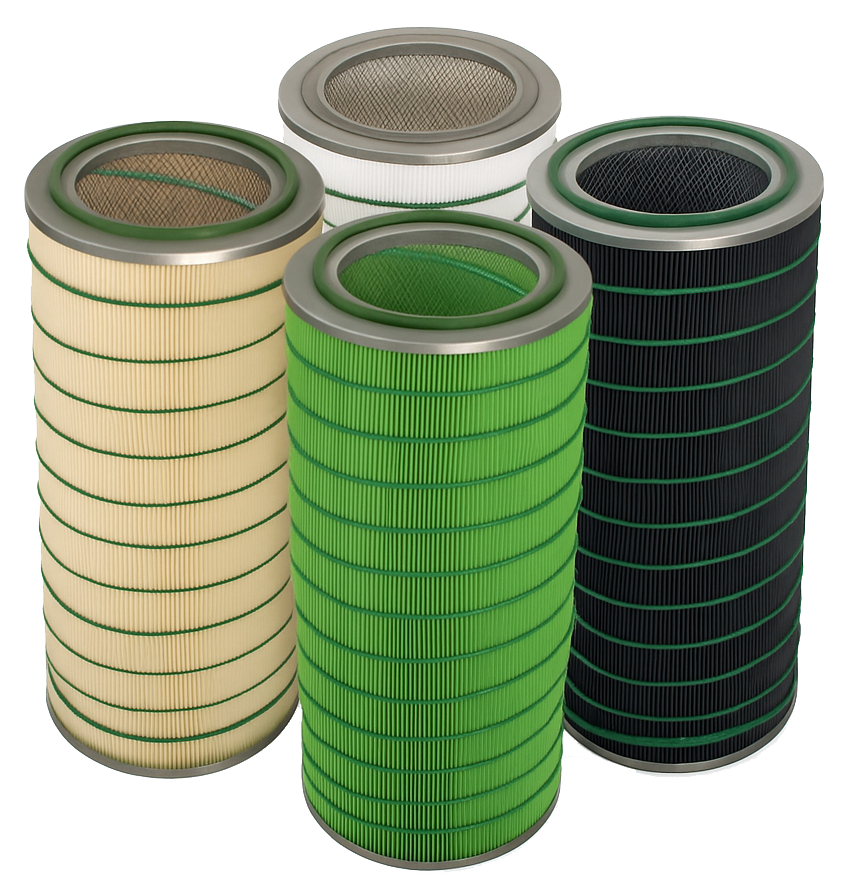
Camfil offers four media options for Stat-Safe filters, each designed for different performance needs.
- DPTC: Carbon-impregnated spunbond polyester with PTFE membrane for fine particulate capture and improved dust release; MERV 16.
- FC: Fire-retardant carbon media; MERV 10
- XFC: Fire-retardant carbon media with eXtreme nanofibers for durable surface loading and pulse cleaning; MERV 15
- DPA: Aluminized spunbond polyester for moisture resistance, static dissipation and dust repellency; MERV 11
What are other benefits of Stat-Safe filters?
Stat-Safe static dissipative filters support safety, reliability and application flexibility. In addition to a near-zero chance of grounding failure and efficiency options from MERV 10 to MERV 16, these filters are available with OmniPleat® or DuraPleat construction, Camfil’s unique methods for producing high-performance filter cartridges.
Also, users can select membrane or lamination options for improved efficiency and dust release.
What should facility teams evaluate before choosing a static dissipative filter?
Decision points include the type of dust being collected, whether the dust is statically charged or potentially flammable, the compliance framework and the performance requirements for efficiency and cleaning. Media selection matters because a facility handling fine particulates may need different release and filtration characteristics than one handling moisture-prone or more general-purpose dust. Compatibility with the existing collector platform is another important factor.
How do Stat-Safe filters compare with competing offerings?
Many antistatic filters on the market focus on conductive media, carbon-impregnated materials or external grounding features. The main distinction of Stat-Safe filters is that the static dissipative function is built into the filter construction through its antistatic urethane design. This means the grounding approach is integrated into the filter rather than relying on add-on clips, wires or fabric grounding elements.
Can Camfil’s Stat-Safe filters be used in Donaldson and AAF dust collectors?
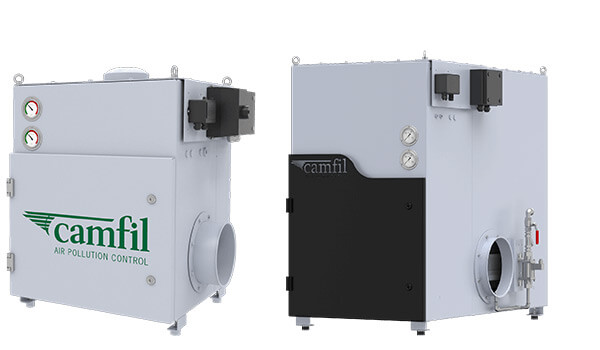
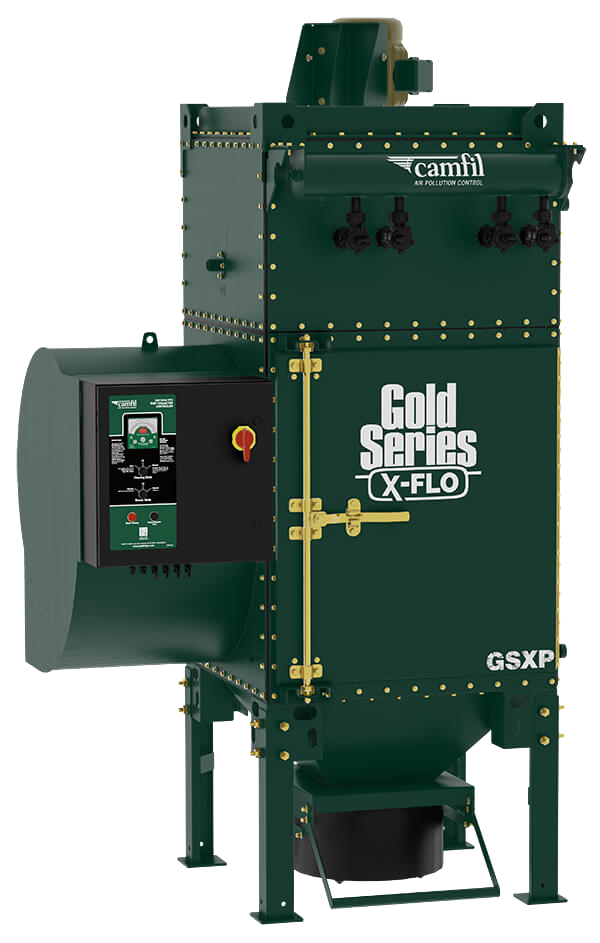
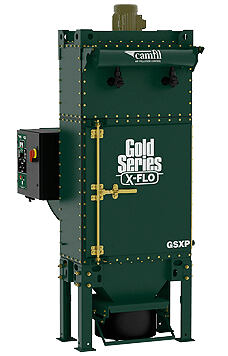
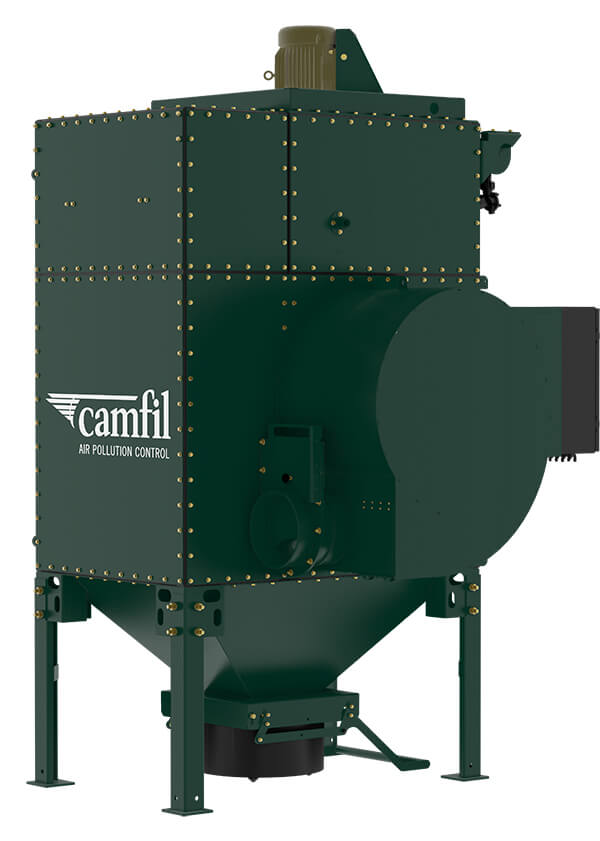
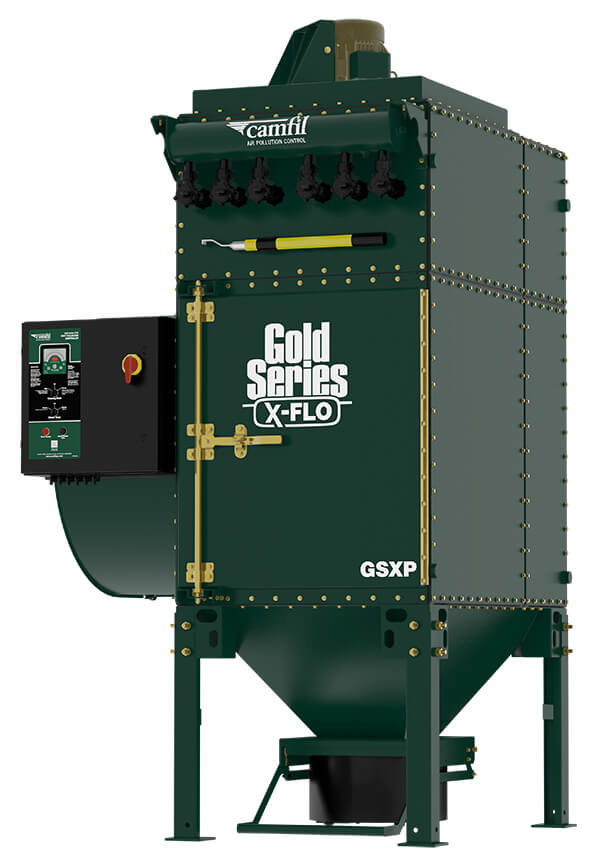
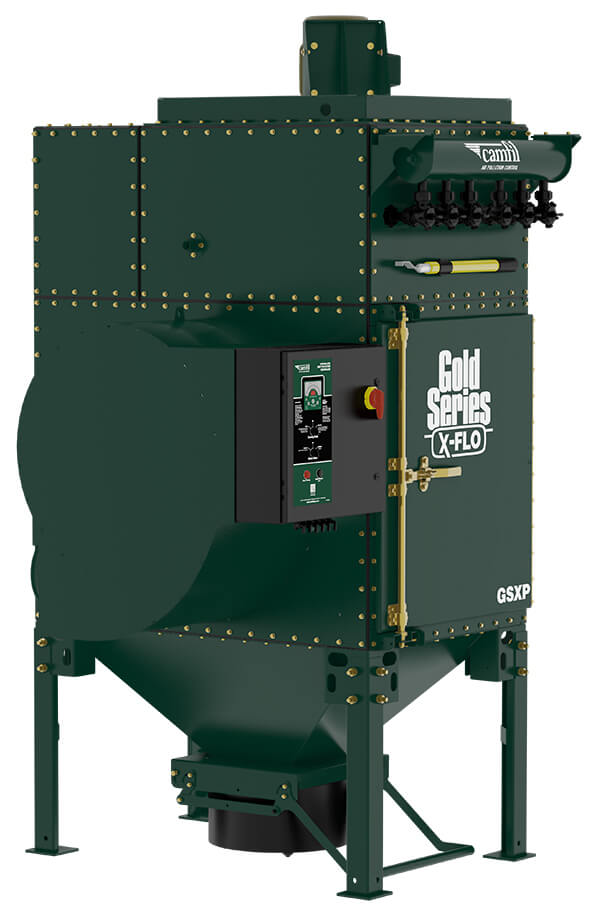
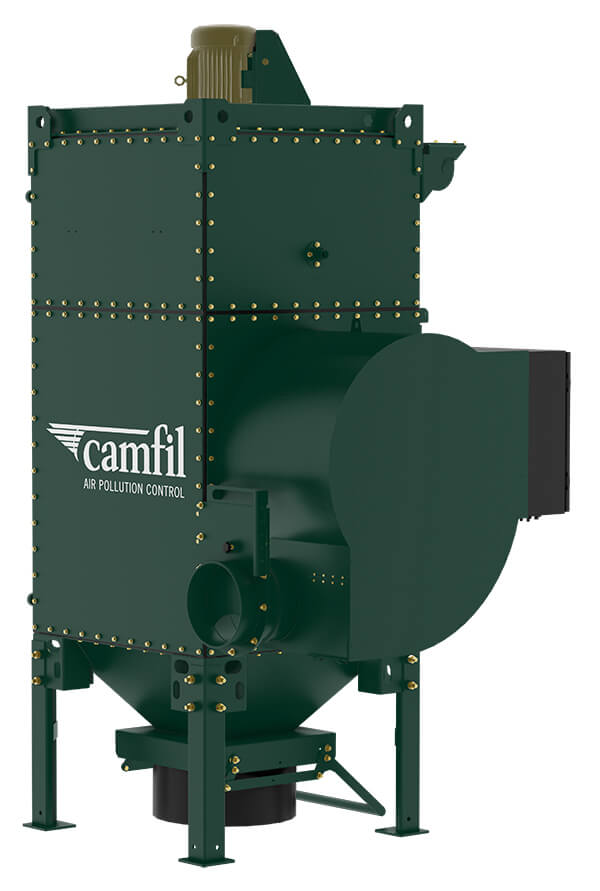
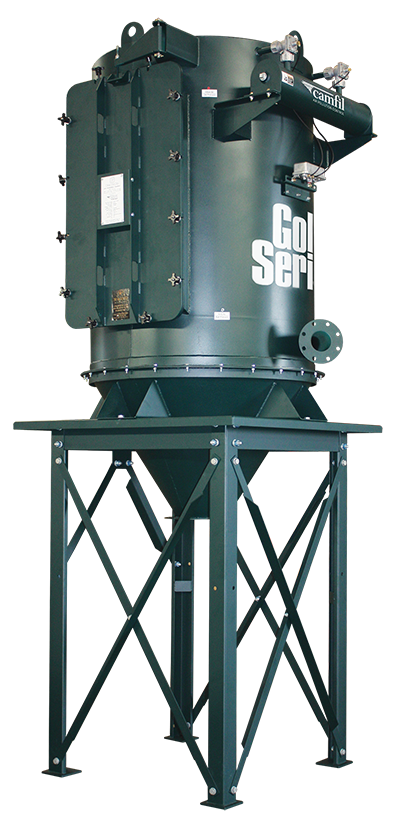
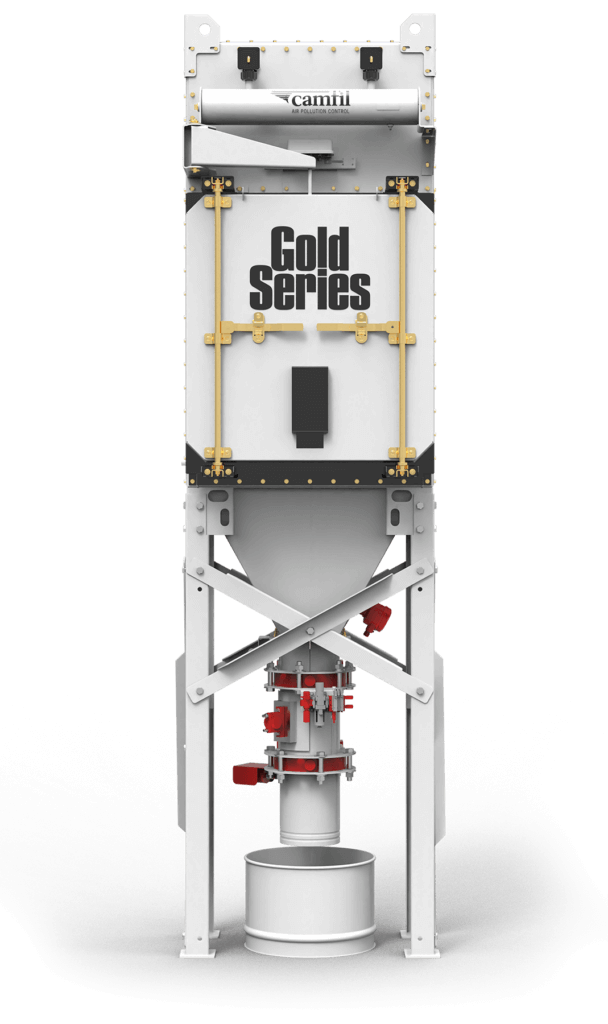
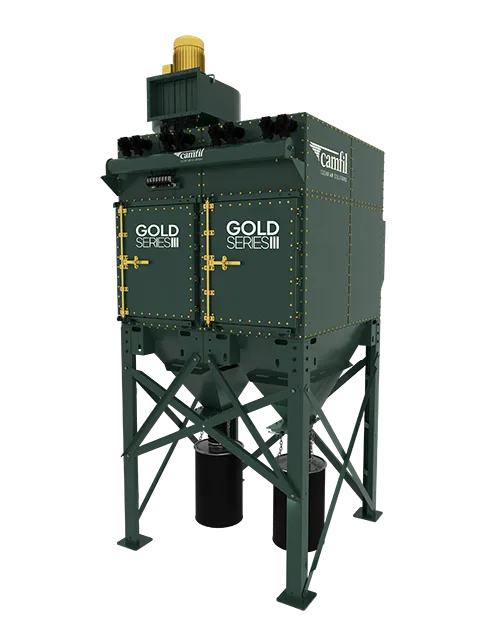
Yes. Stat-Safe filters are available as replacement filters for many Donaldson and AAF dust collectors, as well as Camfil’s traditional Gold Series, Gold Series III, GSX, Tenkay and Quad Pulse Package systems.
Final Note
Stat-Safe static dissipative filters help reduce the risk of explosions in dust collection systems while performing efficiently across a range of industrial applications. By combining static dissipation with the most effective media option, these filter cartridges offer facilities a practical way to align filter selection with safety and process needs. To learn which option best fits your dust characteristics, operating conditions and system requirements, contact Camfil APC. Click here for more information on Stat-Safe filters.