Americas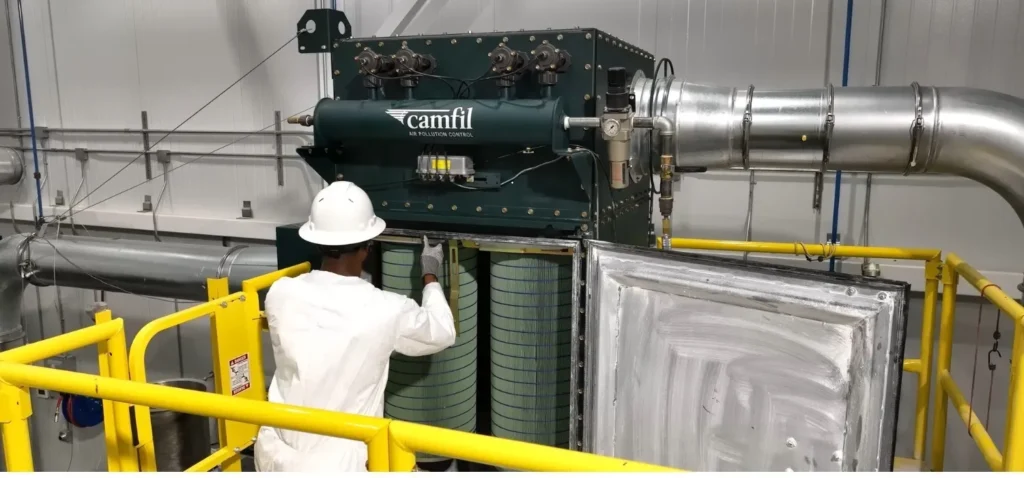
Spring cleaning is an annual tradition for clearing out clutter and grime that build up over the year, and industrial facilities are no exception. After a dusty, windy, wet fall and winter, it is also a smart time to perform dust collector filter maintenance.
Seasonal environmental conditions can take a toll on dust collector filters. Windy weather can increase the amount of dust, dirt and debris that enters a dust collector, adding to the particulate load it must handle. Rain and moisture can make dust heavier, sticky or prone to clumping, which can make it harder for pulse cleaning systems to release dust from the filter media. Over time, these conditions can contribute to higher pressure drop, reduced airflow and shortened filter life, making spring an ideal time to inspect filters and determine whether they are ready for replacement.
A seasonal dust collector filter review can help you spot problems early and keep your dust collector performing efficiently.
Start With Filter Performance
Dust collector filters are designed to capture airborne dust before it can migrate through the facility. As dust builds up on the filter media, airflow resistance increases. This resistance is known as pressure drop. A rising pressure drop is normal during operation, but excessive pressure drop can reduce the collector’s ability to pull dust away from the process area.
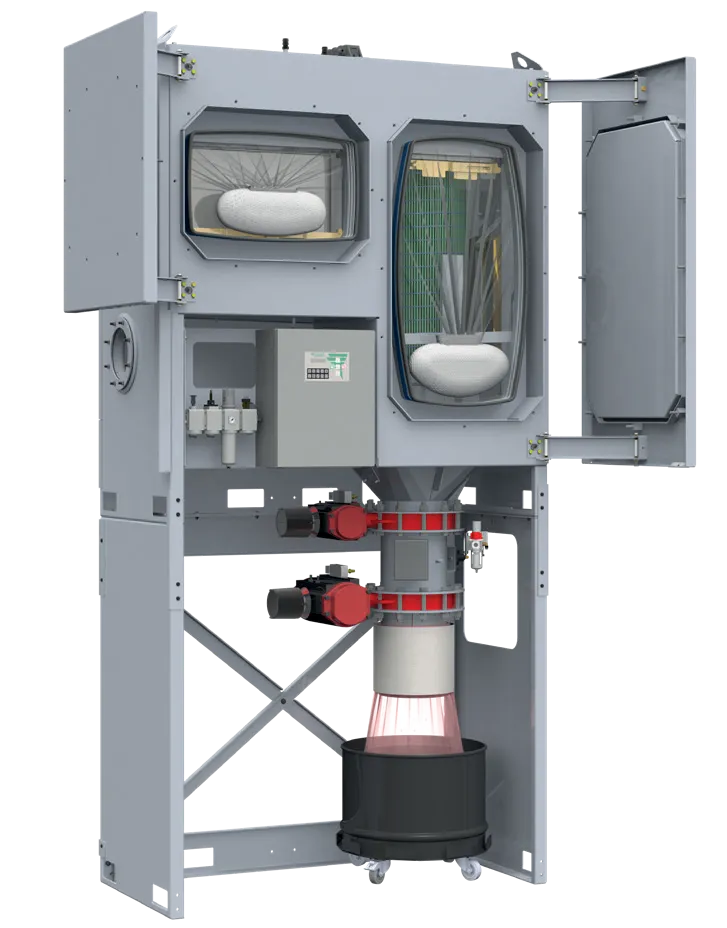
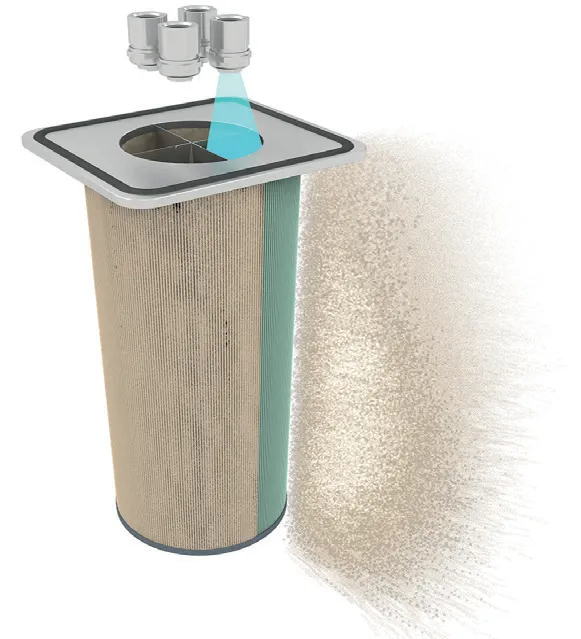
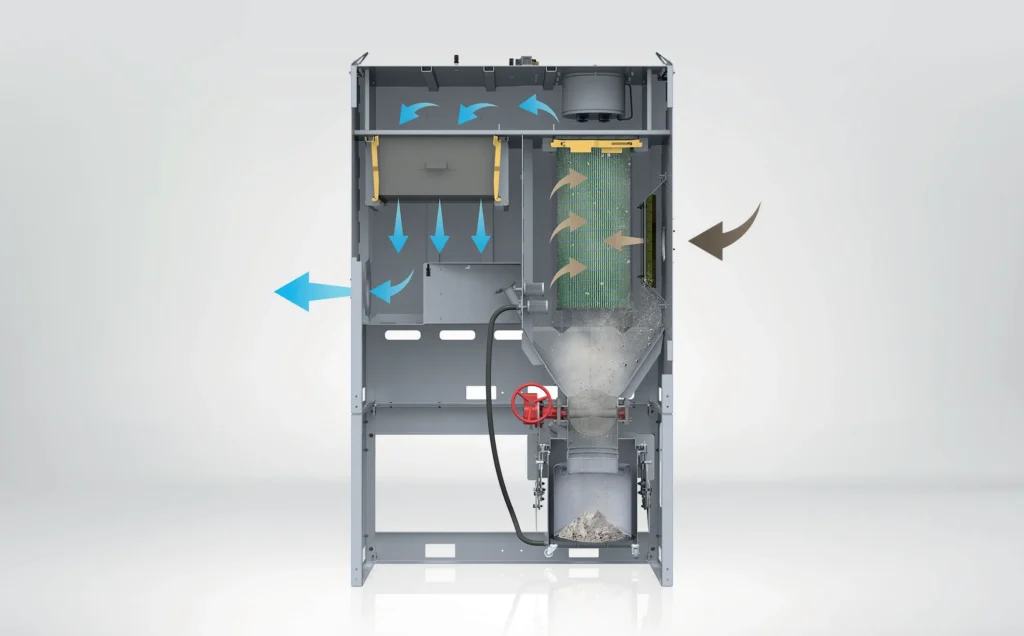
Many cartridge dust collectors use pulse cleaning systems to help control this buildup. These systems send short bursts of compressed air through the filter cartridges, releasing most of the accumulated dust so it falls into the hopper. When working properly, pulse cleaning maintains airflow and extends filter life. However, pulse cleaning needs to be balanced. If compressed air pressure is too low, the filters may not clean effectively. If it is too high, the pulse system can stress, tear or damage the filter media. Oil or water in compressed air lines can also contribute to pressure drop and premature filter failure. That makes the compressed air system an important part of any dust collector filter maintenance review.
Avoid Over-Cleaning the Filters
It might seem like more frequent pulse cleaning is better, but over-cleaning can shorten cartridge life and increase energy costs by wasting compressed air. A better approach is to match the cleaning method to the dust and application.
Continuous cleaning may be appropriate for porous dust or applications with heavy dust loading. For many other dust types, on-demand cleaning is often recommended. With on-demand cleaning, the system starts and stops pulse cleaning based on a selected differential pressure range. This helps maintain efficient airflow while reducing compressed air use and unnecessary wear on the filters.
As part of a spring dust collector filter maintenance review, check whether your current cleaning settings still match your process. Changes in production volume, materials, dust characteristics or operating hours can all affect how your filters perform. Therefore, it may be time to adjust your settings or replace your filters.
Know When It Is Time to Replace Filters
Even with effective pulse cleaning, filters do not last forever. Eventually, dust becomes deeply embedded in the media and can no longer be removed effectively. When this happens, the collector may struggle to maintain proper airflow.
Common signs that filters may need replacement include reduced airflow, lower capture velocity at the process area, increased dust in the work area, high pressure drop across the collector or dust escaping the filter and re-entering the facility. In heavy dust-loading applications, filters may require more frequent replacement. In other applications, premium cartridge filters can perform for up to a year between changeouts.
Spring is a practical time to review the condition of the filters, pressure drop trends and replacement history. Heavy seasonal rains can accidentally leak into dust collectors, wetting the filters and causing premature failure. Moreover, heavy winds can add to the existing process load, requiring filter changeout sooner than normal. If filters are nearing the end of their service life, changing them before they cause performance issues can help prevent unplanned downtime.
Choose Replacement Filters Carefully
Not all replacement filters perform alike. Lower-cost filters may fail quickly, especially if they cannot withstand the force of the pulse cleaning system. Filter failure can send dust back into the work area, reducing air quality, creating potential worker health risks, contaminating products and damaging equipment.
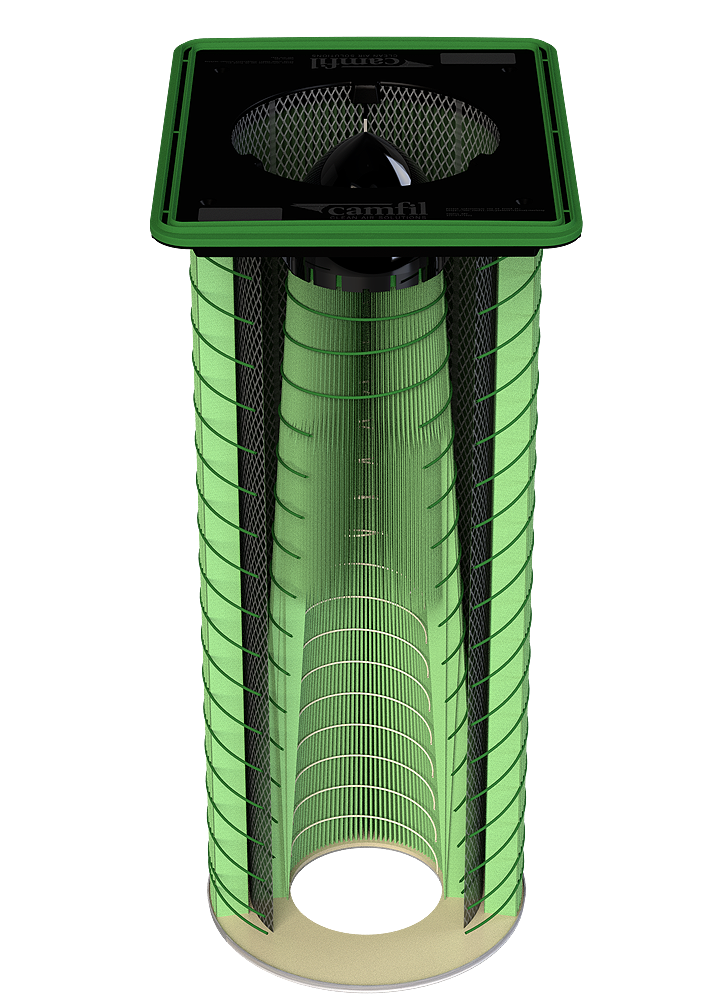
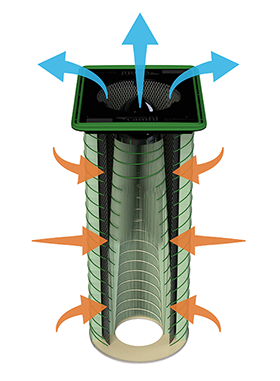
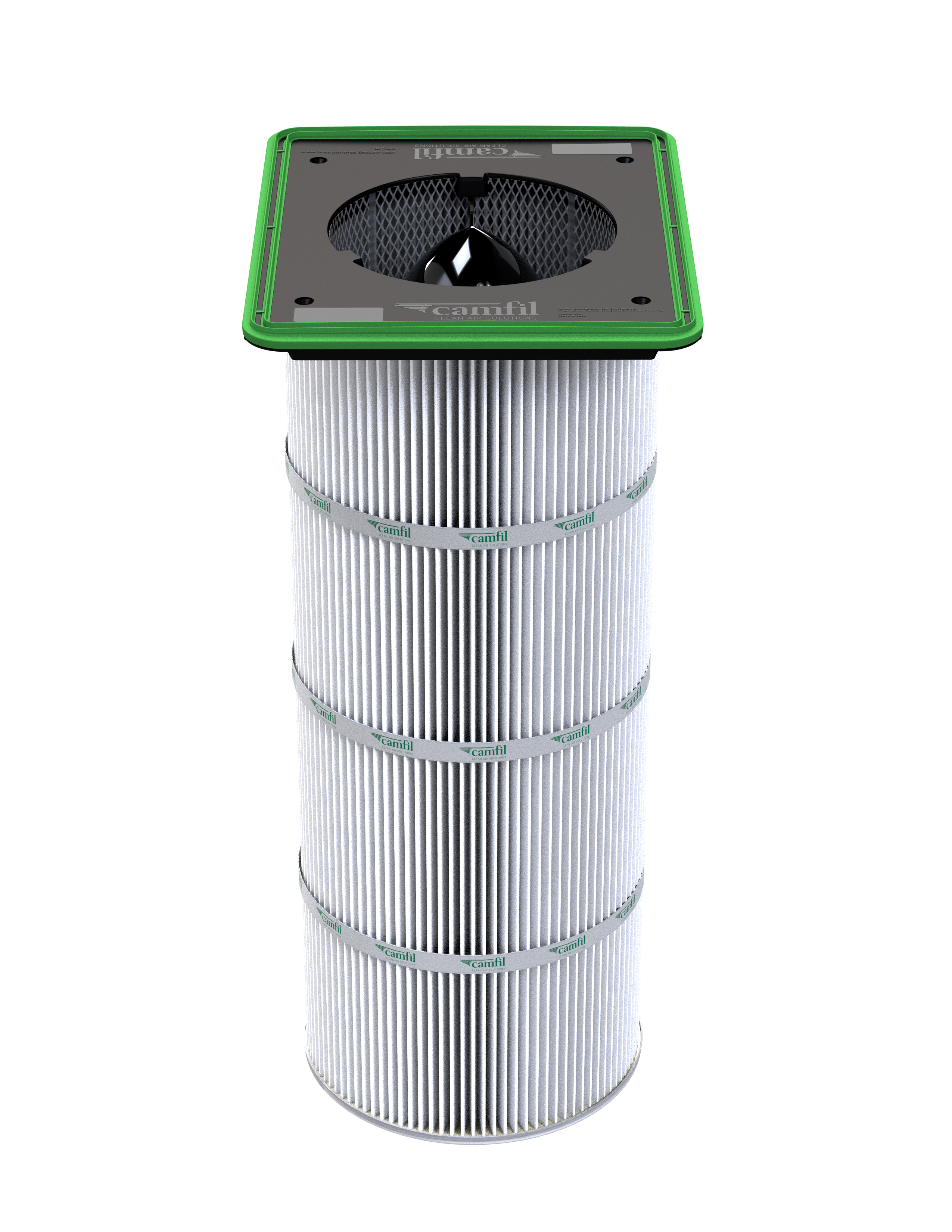
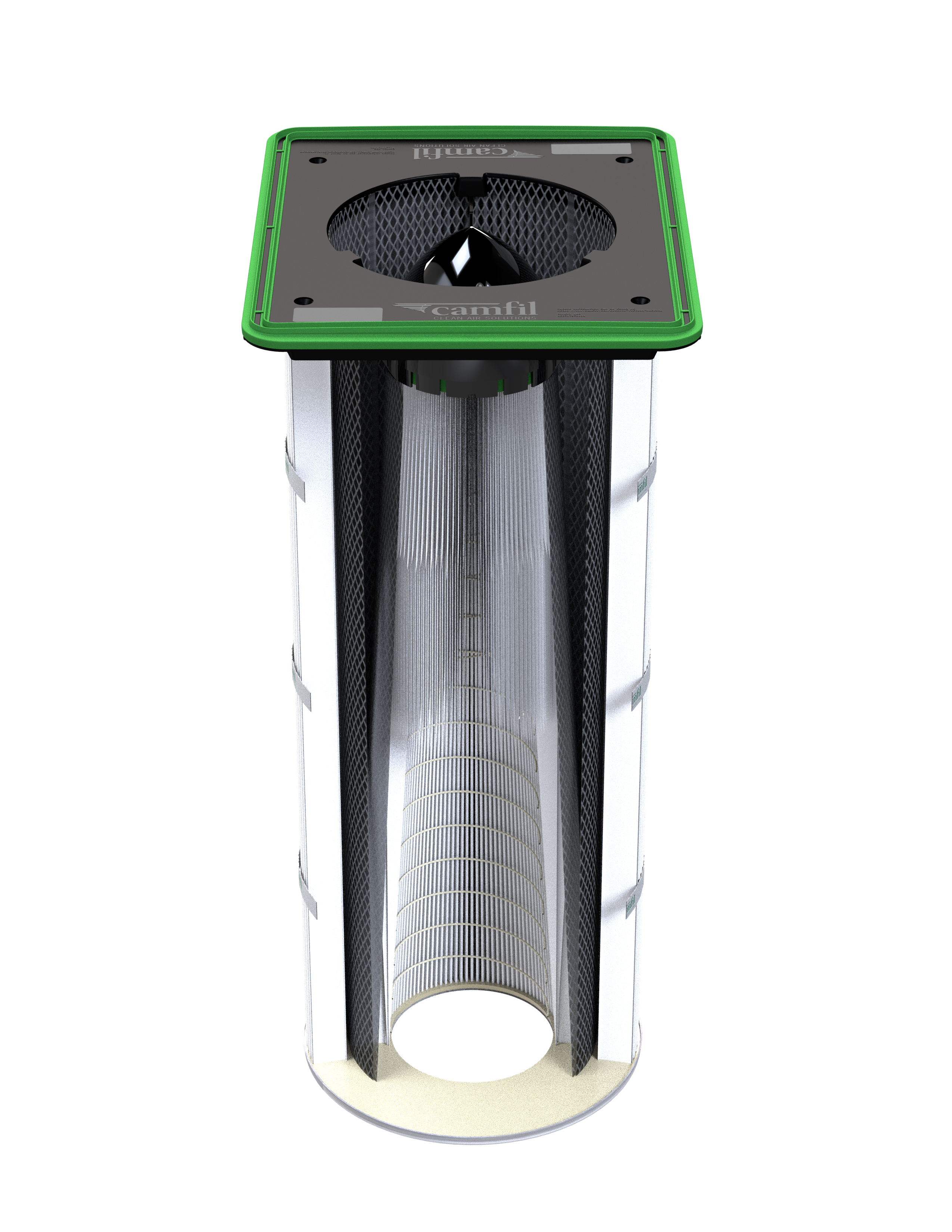
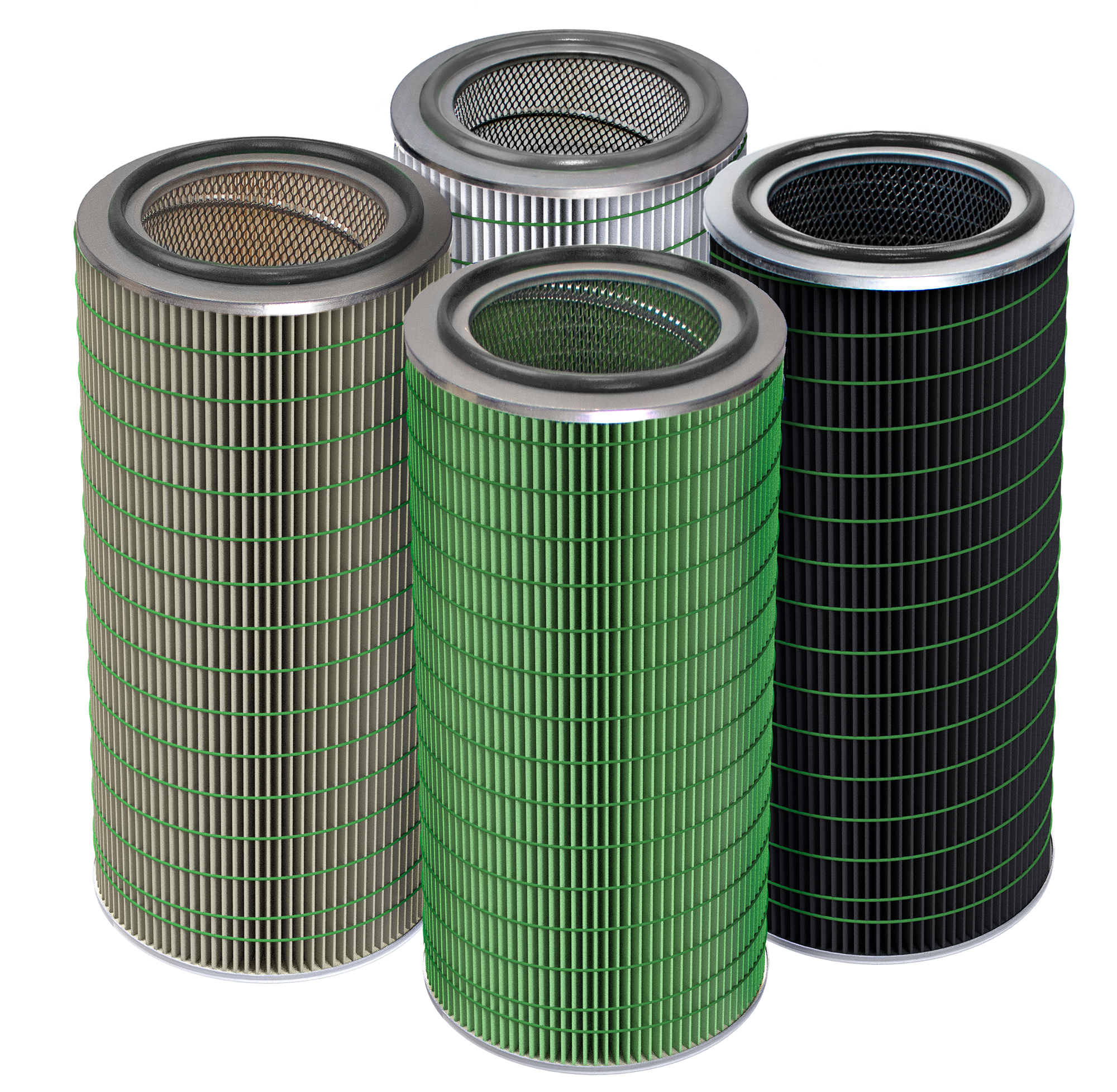
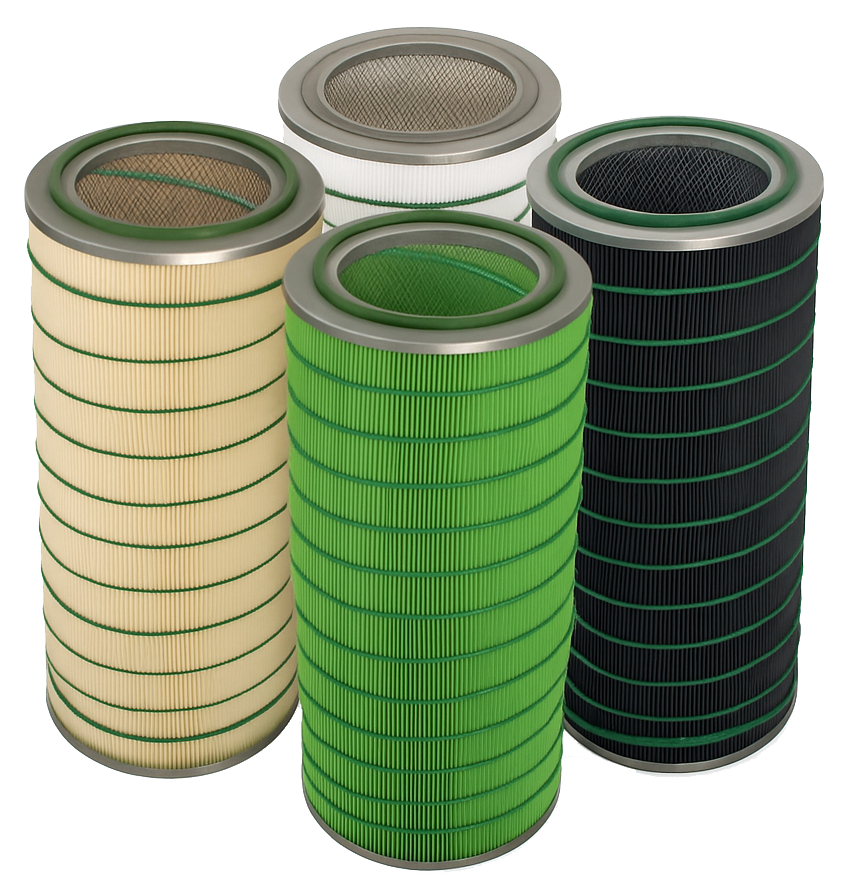
When evaluating replacement filters, pay attention to the media design. Cartridge filters use pleated media, but more media does not automatically mean longer life. If pleats are packed too tightly, much of the media will not be usable because air cannot effectively reach it. Tightly packed pleats can also trap dust between the folds, making pulse cleaning less effective and increasing airflow resistance.
A wide-pleat filter design like that used in OmniPleat filters allows more of the media surface to be used. This improves airflow, reduces pressure drop, helps dust release more effectively during pulse cleaning, uses less compressed air and extends filter life. Longer-life filters also reduce changeout frequency, which can lower maintenance time, disposal costs and landfill impact.
Conduct Safer Filter Changeouts
YFilter replacement is one of the most important parts of dust collector maintenance, but it must be done safely. Collectors that require workers to enter the equipment during service can expose them to confined-space hazards and contact with potentially harmful dust.
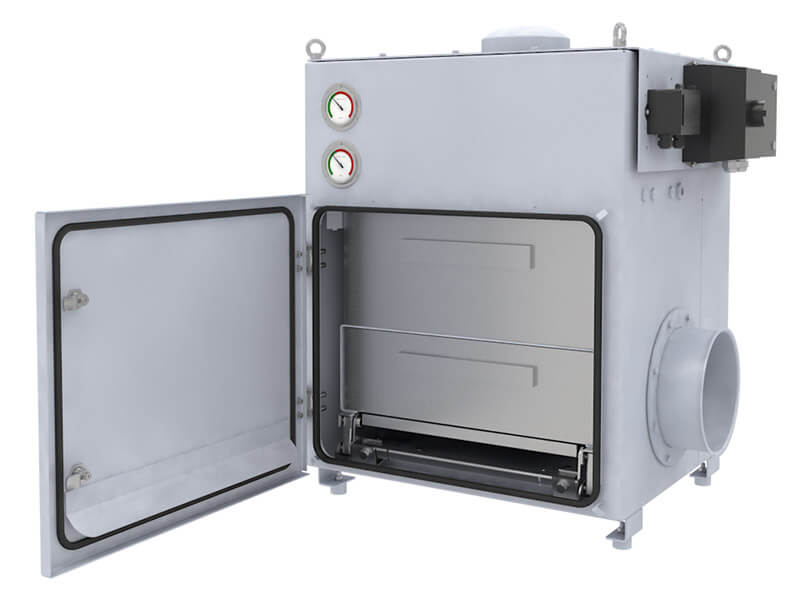
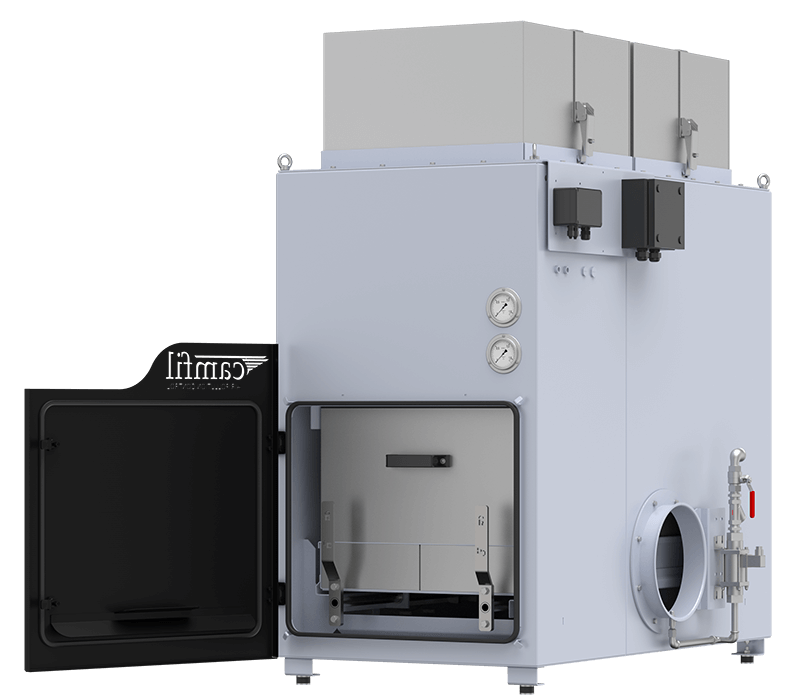
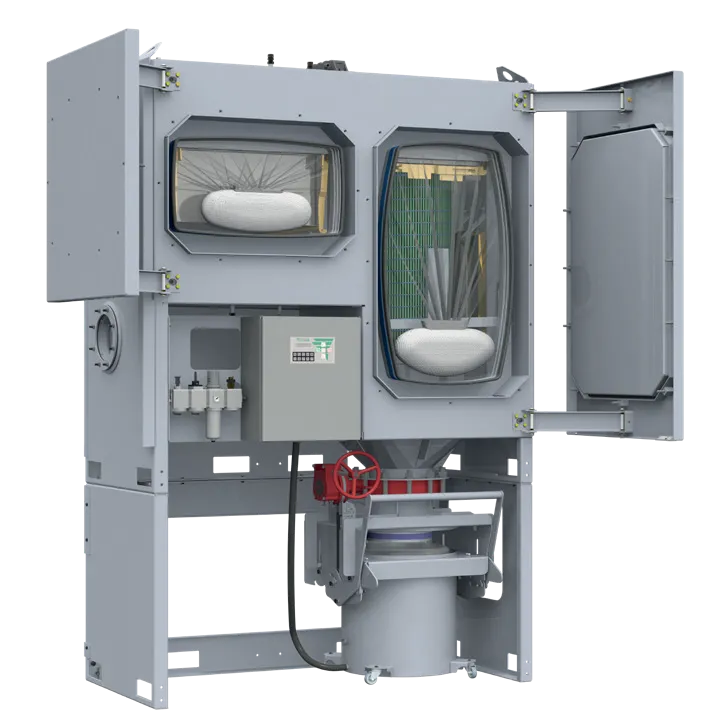
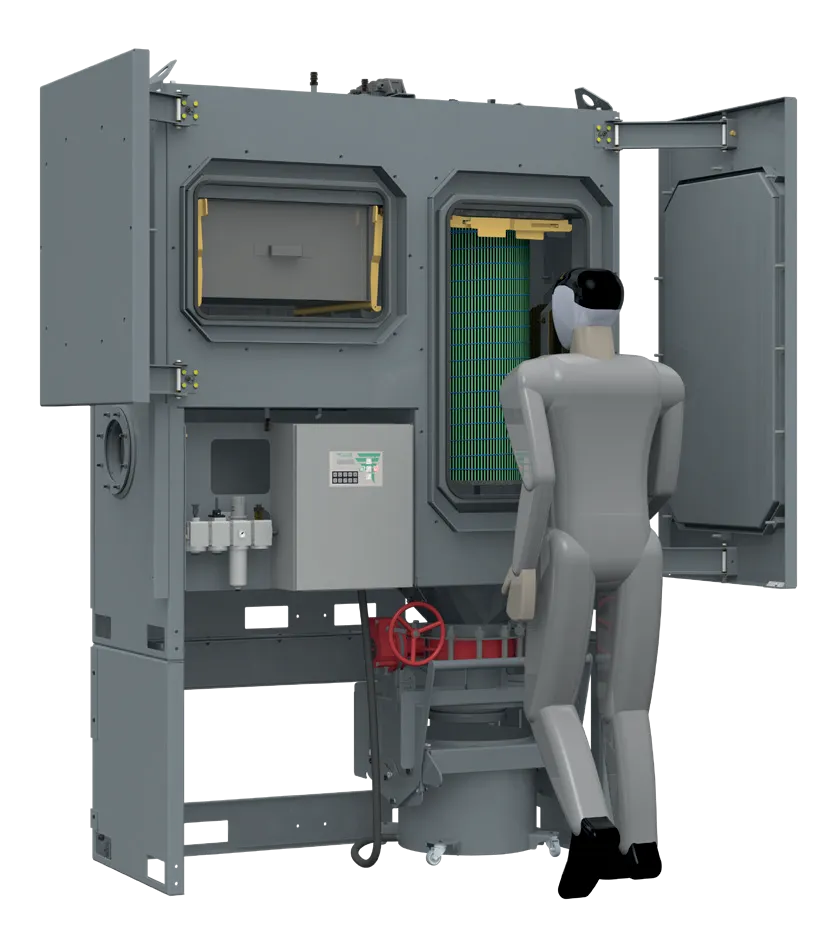
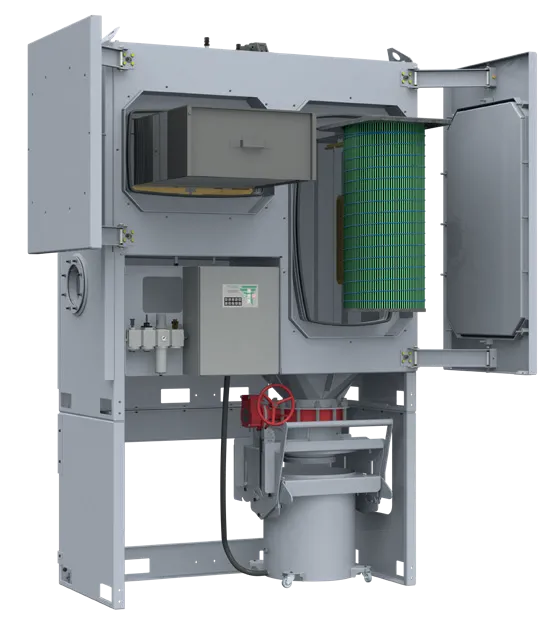
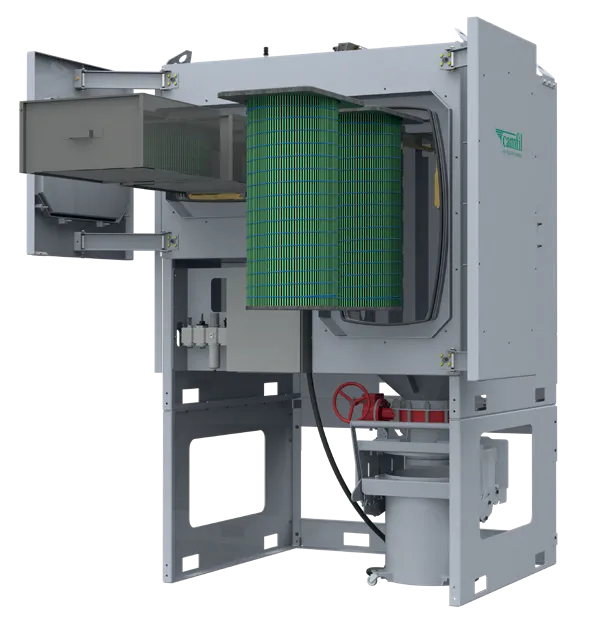
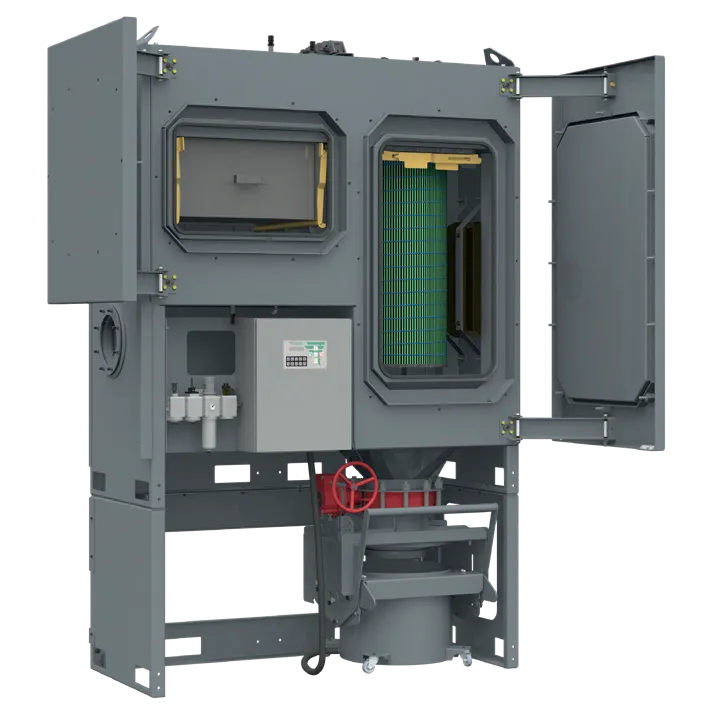
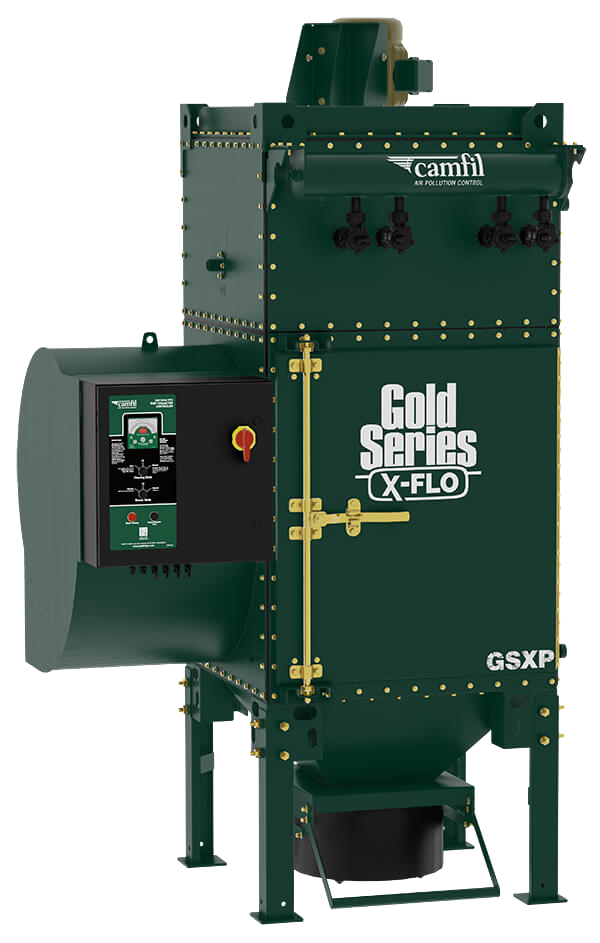
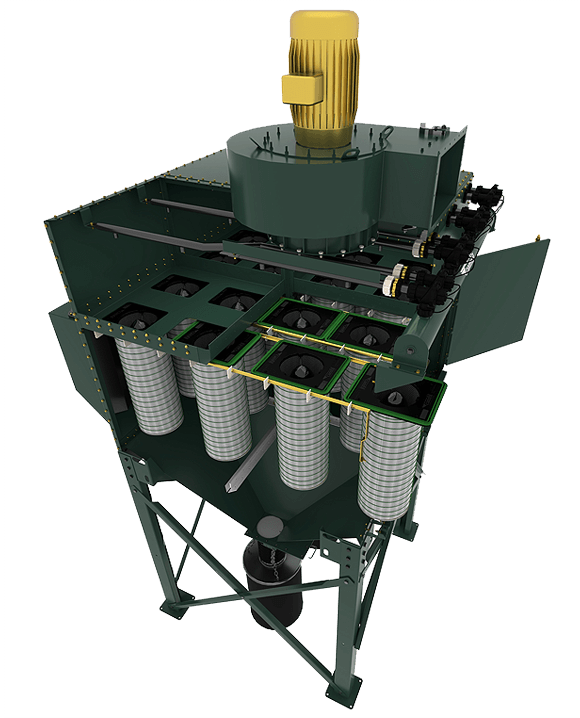
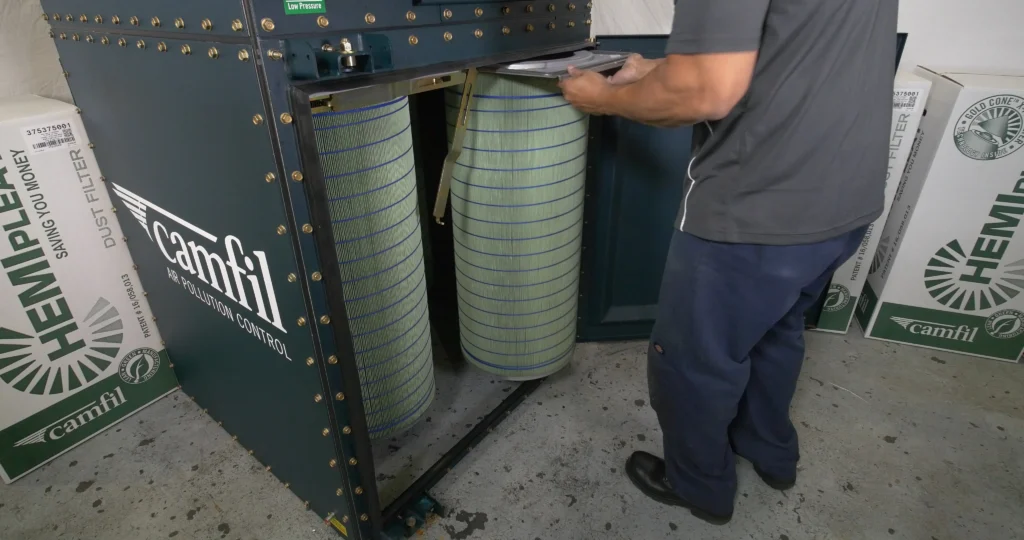
Many cartridge-style dust collectors are designed for entry-free filter access. Filters slide in and out of the housing through access doors, reducing worker exposure and simplifying replacement. Features such as fast-open heavy-gauge doors, lockout/tagout capability, reversible access doors, safety platforms and ladders with fall arrest systems can further improve maintenance safety.
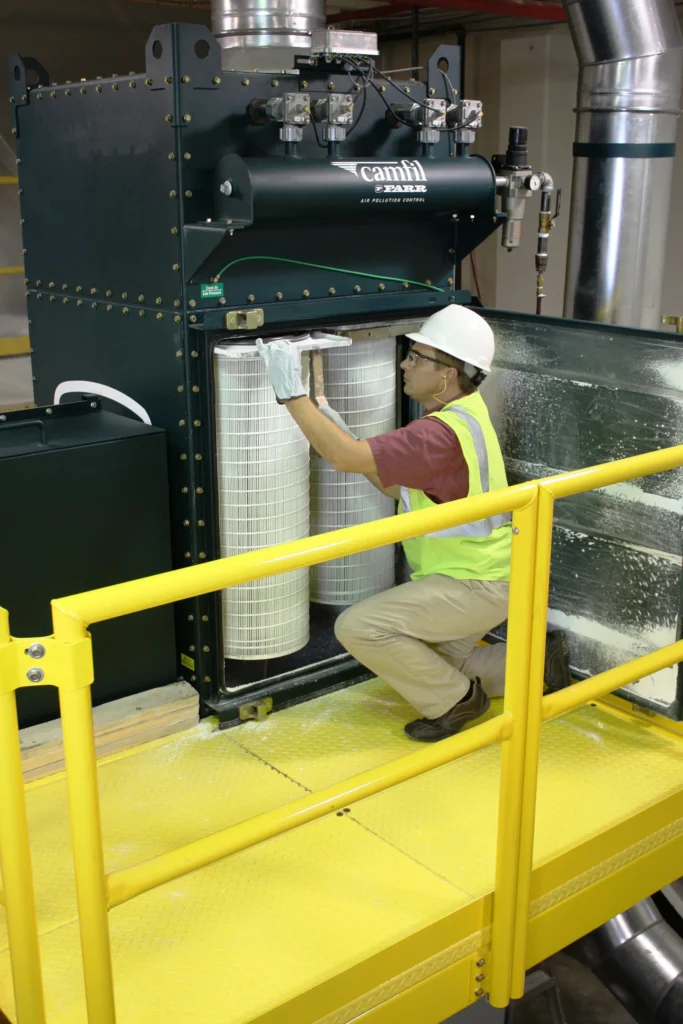
Before changing filters on collectors with pulse cleaning systems, pulse the filters down to remove as much dust as possible. Allow time for dust to settle before opening the access door. After removing used filters, seal them promptly in the new filters’ shipping boxes to help prevent dust from escaping. Also, empty the waste storage container regularly so dust does not back up into the hopper and clog the system.
For highly toxic dust, regulations may require a bag-in/bag-out containment system to isolate workers from used filters during replacement.

How Camfil APC Simplifies Dust Collector Maintenance
You don’t have to handle a spring maintenance review alone. Camfil APC offers a Preventative Maintenance Program designed to help ensure long-term dust collector and filter performance for both Camfil and non-Camfil systems. Service plans can be customized to your application and may include filter changes, filter replacements and proper filter disposal to help minimize downtime and keep your system operating efficiently.
You don’t have to handle a spring maintenance review alone. Camfil APC offers a Preventative Maintenance Program designed to help ensure long-term dust collector and filter performance for both Camfil and non-Camfil systems. Service plans can be customized to your application and may include filter changes, filter replacements and proper filter disposal to help minimize downtime and keep your system operating efficiently.
During service visits, Camfil APC specialists can inspect the dust collection system for signs of moisture, contamination and wear. When needed, they can also perform system balancing, airflow measurements and leak detection tests to help maintain optimal performance. Maintenance checks cover key areas of the collector, including the cleaning system, filter housing, inlet duct, safety equipment, hopper, support module and fan.
By bringing in qualified maintenance support, facility personnel can make filter changeouts and system inspections part of a more structured program instead of a reactive task. This helps keep dust collectors running efficiently while giving maintenance teams more confidence that the system is ready for the season ahead.
Add Dust Collector Filter Maintenance to Your Spring Cleaning Checklist
A clean facility starts with a dust collection system that is properly maintained. This spring, take time to review your dust collector filter maintenance program. A proactive review can help your dust collection system operate more efficiently and reliably while supporting a cleaner, safer facility.
Need replacement filters for your industrial dust collector? Contact Camfil APC to find the right filters for your application and keep your dust collection system ready for the season ahead.