Jul 17, 2024
In our quest to discover why companies are choosing to Join the Switch to Camfil, one manufacturer expressed the importance of customer service and a customized approach in configurating its total dust collection systems. The customer explained their se...
Jun 17, 2024
Dust collectors are essential for maintaining clean air, protecting workers and keeping industrial processes running efficiently. However, maintenance is often postponed until filters fail, airflow drops or equipment shuts down.
A proactive dust coll...
Apr 30, 2024
Recently, Camfil APC’s Brian Richardson worked with a woodworking company facing a challenge: proving National Fire Protection Association (NFPA) compliance to its landlord’s insurance provider. With 45 years in the business, the company made numerous modification...
Apr 18, 2024
Wood dust is a hazard at facilities such as sawmills and woodworking shops that manufacture furniture, cabinets and other items made from wood. Cutting, sanding, routing, chopping or molding wood releases fine dust particles into the air. This not only endangers w...
Mar 06, 2024
If your facility’s manufacturing processes generate hazardous dust, one of your priorities is ensuring air quality. Dust, especially airborne dust particles, must be safely collected and contained to protect worker safety and meet regulatory compliance....
Feb 12, 2024
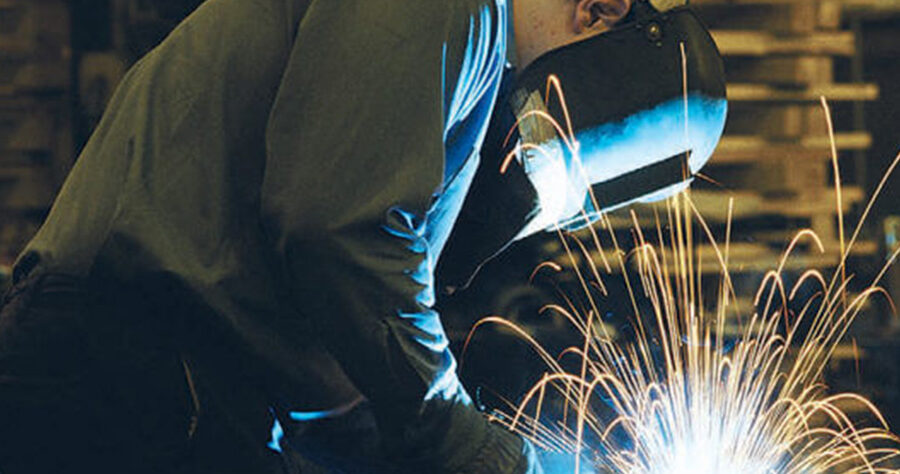
Welding fume extraction is essential for maintaining cleaner, safer air in workplaces where metalworking processes such as welding, laser cutting and plasma cutting take place. These operations can release harmful dust, fumes and smoke into the air, contaminating the...


 Americas