Mitigating Dust Collector Combustible Dust Hazards

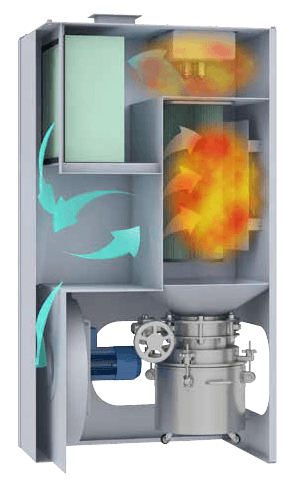
Dust collection systems have a high risk of explosions, which is why they are addressed by OSHA’s National Emphasis Program for combustible dust. How do you know if your dust collection system complies? What do you do if it doesn’t? How do you minimize risks for your employees and facility? To download this white paper now, please fill out the...

Dust Collection Tips to Keep “Free-From” Foods Safe from Cross-Contamination

Cross-contamination is a serious concern in the food processing industry, especially for manufacturers that process foods “free-from” gluten or allergens. Facilities that produce both non-allergy-friendly or gluten-containing foods and “free-from” foods face even more challenges. To download this white paper now, please fill out the form below:

Eliminating Workplace Hazards from Metalworking Fluid Mists

Airborne mists emitted during machining processes pose numerous risks to human health and safety. It is important to understand the regulations that limit these emissions as well as the various technologies available to achieve compliance with OSHA and other regulatory agencies. This white paper will help you to learn what you can do about mist collection issues in your facility;...

10 Tips on Selecting Cartridge Dust Collection Equipment for Tablet Presses

Though tablet compression does not generate large volumes of fugitive dust, safe and efficient collection of whatever dust is created by this process is critical. The dust collector linked to the press can contribute to reliable, consistent performance – or detract from it, if components are not properly designed. These 10 tips will help you choose the best dust collection...

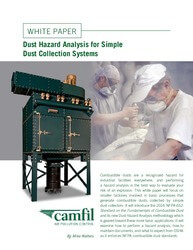
Dust Hazard Analysis for Simple Dust Collection Systems

Combustible dusts are a recognized hazard for industrial facilities everywhere, and performing a hazard analysis is the best way to evaluate your risk of an explosion. This white paper will focus on smaller factories involved in basic processes that generate combustible dusts collected by simple dust collectors. It will introduce the 2016 NFPA 652: Standard on the Fundamentals of Combustible...

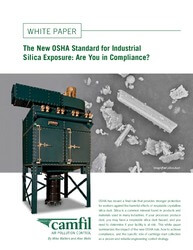
The New OSHA Standard for Industrial Silica Exposure: Are You in Compliance?

After years of study and research, the Occupational Safety and Health Administration (OSHA) has issued a new silica rule that updates regulations established in 1971. It features a lower limit for worker exposure to harmful respirable crystalline silica dust as well as more stringent measures to monitor compliance. OSHA estimates that the implementation of this rule will save more than...