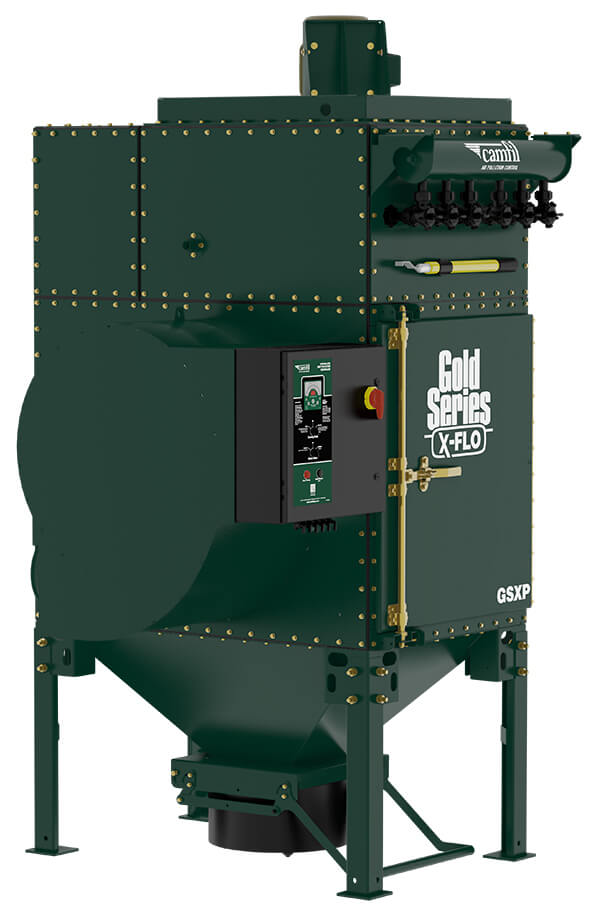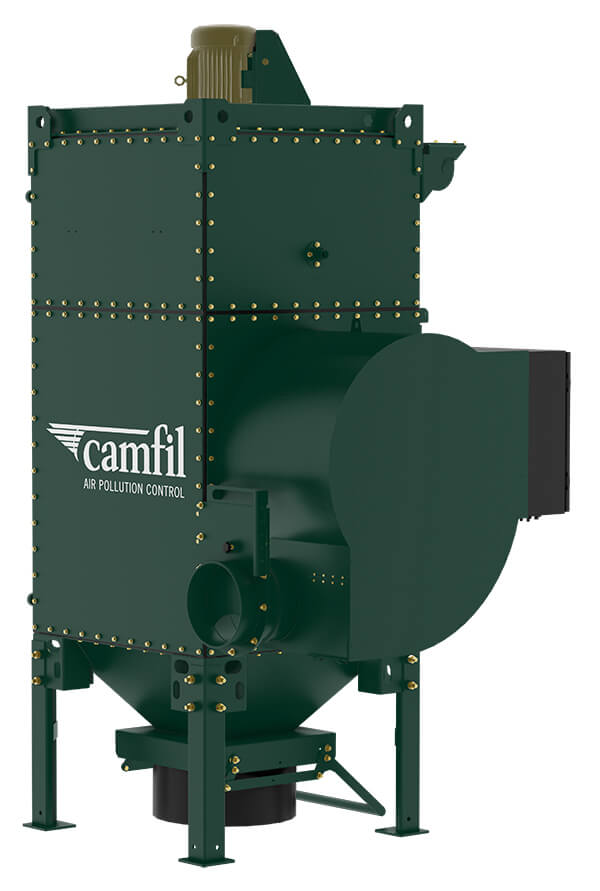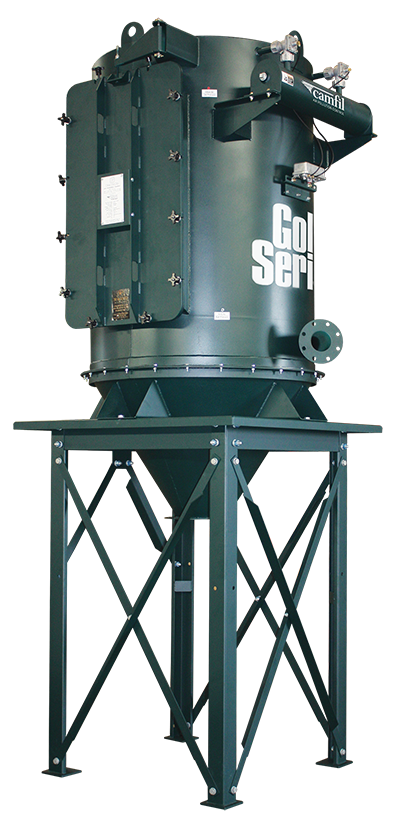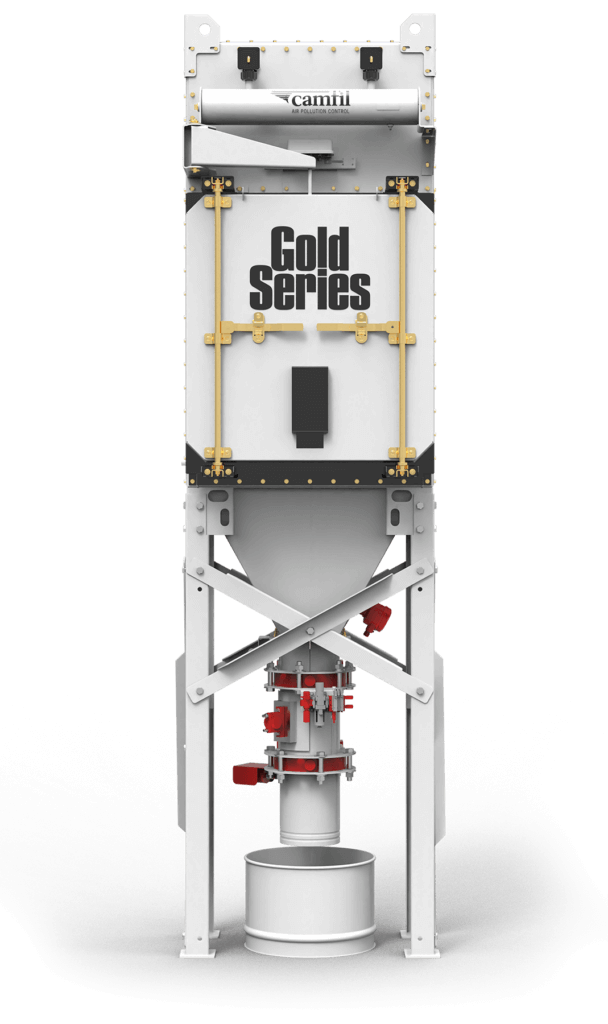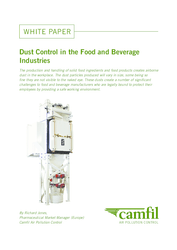
Dust Control in the Food and Beverage Industries (Europe)

The production and handling of solid food ingredients and food products creates airborne dust in the workplace. The dust particles produced will vary in size, some being so fine they are not visible to the naked eye. These dusts create a number of significant challenges to food and beverage manufacturers who are legally bound to protect their employees by providing...
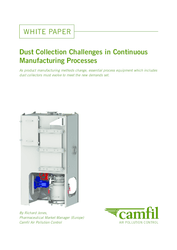
Dust Collection Challenges in Continuous Manufacturing Processes (Manufacturing Chemist, in Europe)

For decades, solid product manufacturing in industries including pharmaceutical and chemical has been based on batch production, whereby a pre-determined weight of ingredients is processed before being discharged as finished product. Continuous manufacturing processes however run on the basis that there is a simultaneous charging and discharging of ingredients and finished product. This change in manufacturing process has been embraced...

Dust Collection Challenges in Continuous Manufacturing Processes (EPM, in Europe)

For decades, solid product manufacturing in industries including pharmaceutical and chemical has been based on batch production, whereby a pre-determined weight of ingredients is processed before being discharged as finished product. Continuous manufacturing processes however run on the basis that there is a simultaneous charging and discharging of ingredients and finished product. This change in manufacturing process has been embraced...

Dry Media Dust Collector or Wet Scrubber? Selecting the Right Equipment for Combustible Dust

Wet scrubbers and dry media dust collectors are two very different technologies used to capture dusts generated during production processes. Both types have inherent advantages and disadvantages. Which is best for your application? The choice is not always clear-cut, but this white paper will help with the decision process by providing a comparison between wet and dry dust collectors. It...

Does Your Food Processing Dust Collection System Comply with Combustible Dust Standards?

Combustible dust explosions are a risk in many areas of a food processing plant, but one of the most common locations is the dust collection system. How do you know if your dust collection system complies? What do you do if it doesn’t? Are your employees at risk? This white paper reviews the OSHA National Emphasis Program for combustible dust,...

Asking the Right Questions About Cartridge Dust and Fume Collection

Choosing the best cartridge collection system for a given application involves research and attention to detail. This white paper will review several key areas of investigation and will discuss the role of pleated bag-style dust collectors (also known as cartridge collectors) in improving dust and fume control: Will the dust collector comply with emission requirements? Do I have a combustible...