Americas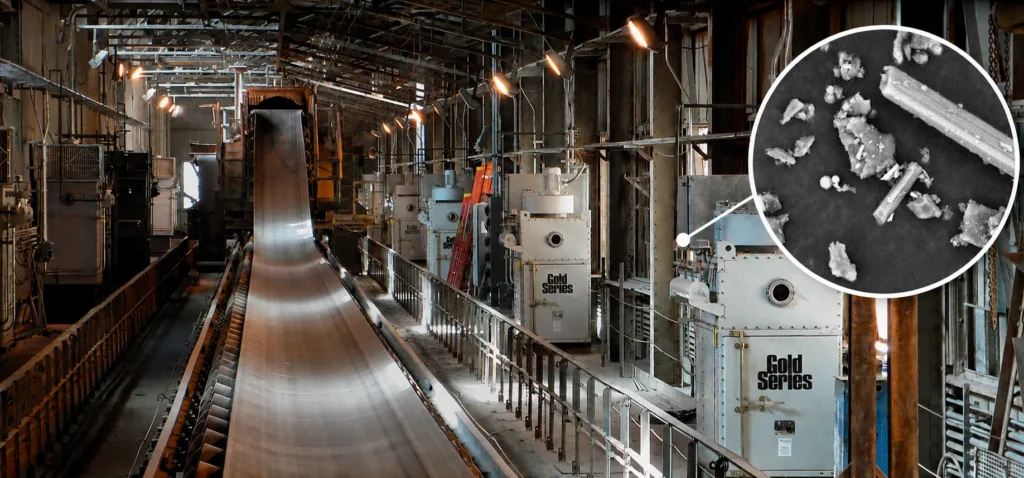
Silica dust control in mining and mineral processing is one of the most important worker safety priorities. Silica is one of the most abundant minerals in the earth’s crust and plays an essential role in many industrial supply chains. Silica sand and other silica-containing materials are mined, crushed, screened, conveyed, dried and processed for use in glass, foundry molds, hydraulic fracturing, construction materials, ceramics, filtration media and other applications. Silica dust is also a byproduct of other mining processes, such as copper mining.
Silica dust creates a serious workplace hazard when it becomes airborne. Mining and processing activities can generate respirable crystalline silica (silica dust), an extremely fine particulate that can penetrate deep into the lungs.
According to the National Institute for Occupational Safety and Health (NIOSH), respirable crystalline silica exposure can cause silicosis, lung cancer, chronic obstructive pulmonary disease (COPD) and kidney disease. Silicosis is a life-threatening lung disease that causes permanent scarring around the lungs’ air sacs and airways.
Silica particles can remain suspended in the air for long periods and are often too small to see with the naked eye. Freshly fractured silica particles are especially hazardous because they can have sharp, jagged edges. This makes them both harmful to workers and abrasive to dust collection equipment if the system is not designed for the material.
Because there is no cure for silicosis, prevention is essential. In mining and mineral processing operations where silica and other hazardous dusts are generated as byproducts, this means identifying dust-producing activities, measuring worker exposures, implementing effective engineering controls and maintaining a written compliance program aligned with current OSHA and Mine Safety and Health Administration (MSHA) requirements.
OSHA Compliance for General Industry Operations
Facilities that process silica-containing materials outside of active mine sites may fall under OSHA’s respirable crystalline silica standard for general industry and maritime, 29 CFR 1910.1053. The standard sets an action level of 25 micrograms per cubic meter of air, calculated as an 8-hour time-weighted average, and a permissible exposure limit (PEL) of 50 micrograms per cubic meter of air, also calculated as an 8-hour time-weighted average.
OSHA’s general industry and maritime silica guidance says that employers must assess employee exposures, protect workers from exposures above the PEL, limit access to regulated areas, use dust controls, provide respirators when needed, establish a written exposure control plan, offer medical exams to certain exposed workers, train employees and maintain required records.
These requirements make exposure assessment, source capture and documented control procedures essential components of dust control in mining-related processing facilities.
MSHA Silica Requirements for Mining Operations
In April 2024, MSHA issued a final rule designed to lower miners’ exposure to respirable crystalline silica and improve respiratory protection for airborne contaminants. The 2024 rule established a uniform PEL of 50 micrograms per cubic meter of air and an action level of 25 micrograms per cubic meter for all mines.
However, the compliance status of the 2024 MSHA silica rule has changed. On April 11, 2025, the U.S. Court of Appeals for the Eighth Circuit stayed the rule’s compliance deadlines. MSHA’s Program Information Bulletin P26-01 states that MSHA has delayed enforcement of the 2024 rule’s requirements in accordance with the court order.
In April 2026, MSHA also issued a Federal Register notice delaying the effective date of certain conforming amendments for metal and nonmetal mines indefinitely, pending judicial review. Mining operators should continue complying with currently enforceable standards and monitor MSHA guidance as the legal and regulatory landscape evolves.
Because enforcement dates and legal proceedings may change, mining operators should verify the latest MSHA guidance before relying on regulatory timelines cited in this article.
Silica Dust Control in Mining Starts with Source Capture
The most effective strategy for silica dust control in mining is to prevent respirable silica from migrating into the worker breathing zone. NIOSH’s silica safe work practices emphasize the use of engineering controls and safe work practices to prevent respirable crystalline silica exposure.
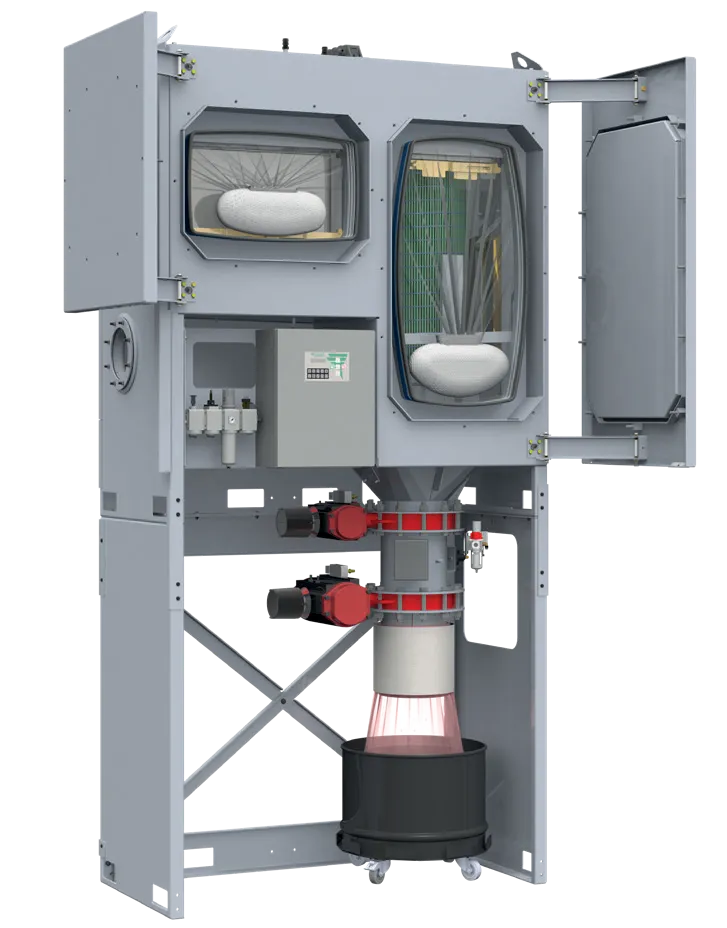
A properly designed cartridge dust collection system can capture airborne dust near its source, reduce worker exposure and support regulatory compliance. Using a dry media dust collector with high-efficiency cartridge filters and HEPA secondary filters can control hazardous dusts that have PEL limits of 5 micrograms, ten times lower than the 50-microgram OSHA PEL limit.
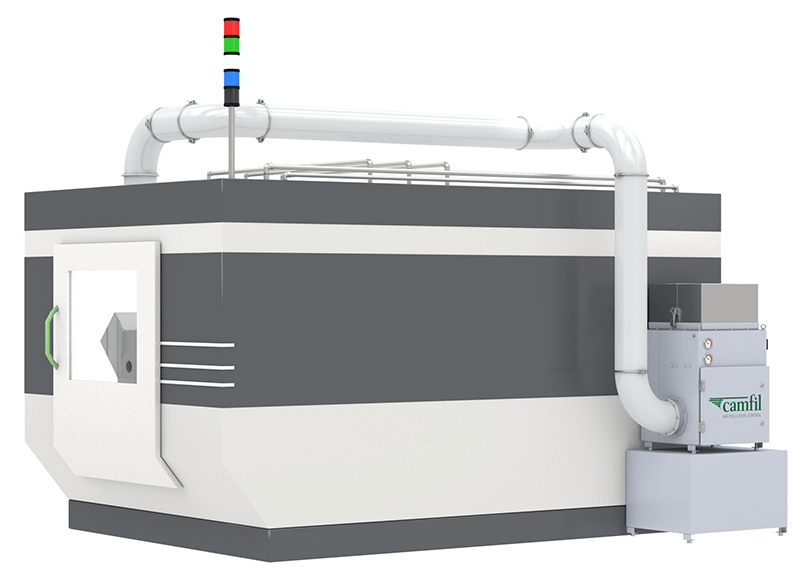
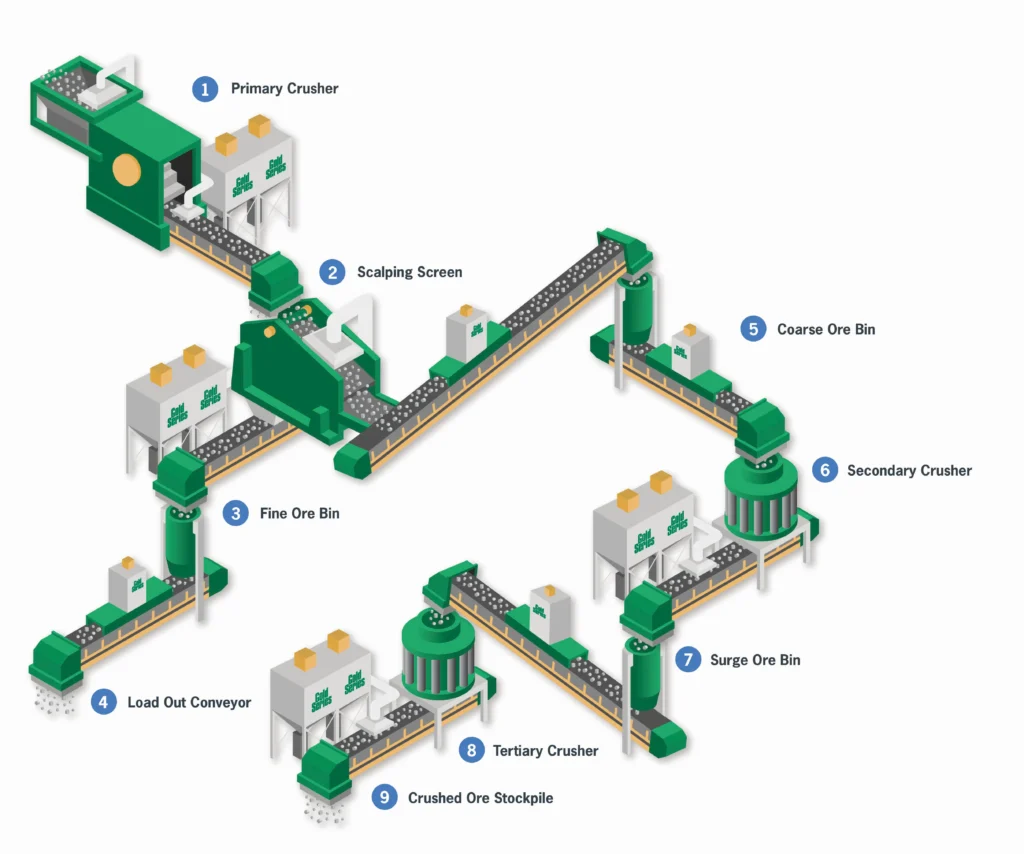
In mining and mineral processing operations where silica and other hazardous dusts are generated as a byproduct, source capture is especially important at enclosed or semi-enclosed transfer points, crushers, screens, bagging stations and loadout areas. Hoods, enclosures and ductwork should capture dust at the point of generation before it can disperse throughout the facility.
Ambient air cleaning systems can help improve general air quality, but they should not be treated as a substitute for source capture in silica applications. Once respirable silica dust is dispersed into the work area, employees may already be exposed.
Why Dust Testing Is Essential for Dust Control in Mining
Silica dust is not the same in every operation. Particle size, particle shape, moisture content and process conditions all affect how a dust collection system should be designed.
Testing dust samples to understand dust characteristics is especially important for dust control in mining and processing environments, where silica dust may be dry and abrasive in one part of the operation but moisture-laden and difficult to release from filter media in another.
Key dust characteristics include:
- Particle size. Very fine dust may require higher-efficiency filter media and secondary filtration. OSHA defines a high-efficiency particulate air, or HEPA, filter as a filter that is at least 99.97% efficient in removing monodispersed particles of 0.3 micrometers in diameter, as stated in 29 CFR 1910.1053.
- Particle shape. Silica particles can be sharp and abrasive. Abrasion-resistant system design helps protect filters, housings, inlets and ductwork from premature wear.
- Moisture content. Moisture can cause silica dust to cake, blind filters or build up in hoppers. Operations that use water for cooling, suppression or processing may need special consideration for collector location, insulation, inlet design, hopper design or alternative collection strategies.
Selecting the Right Dust Collector, Filter Orientation and Media for Mining Operations
Silica dust is often heavy and abrasive. Dust collector filter orientation and filter media design can affect both performance and maintenance exposure.
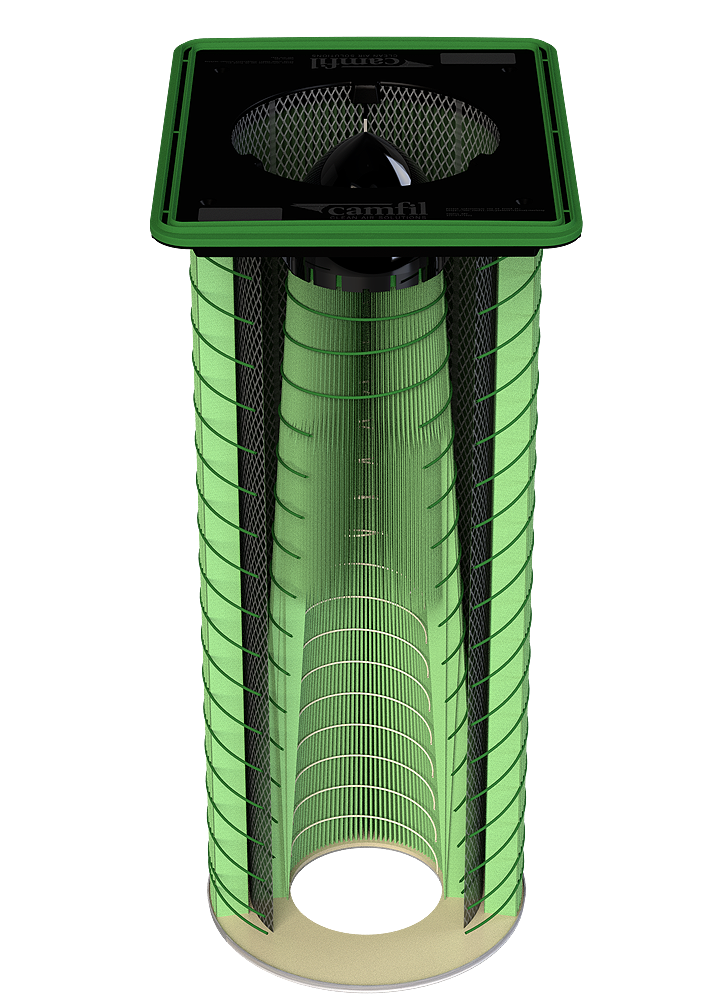
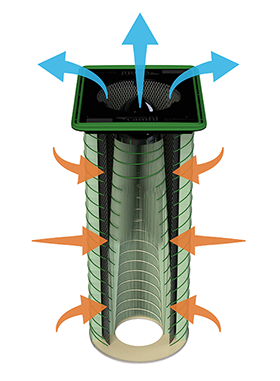
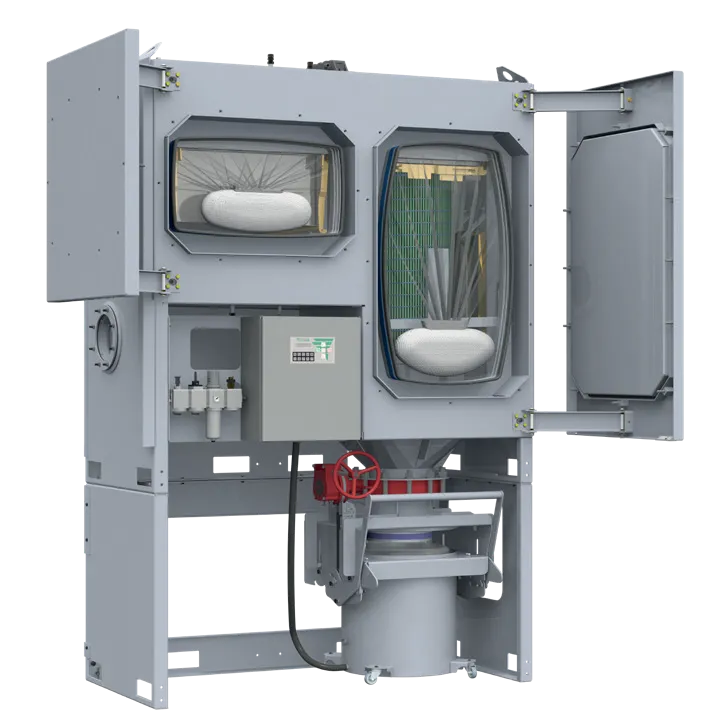
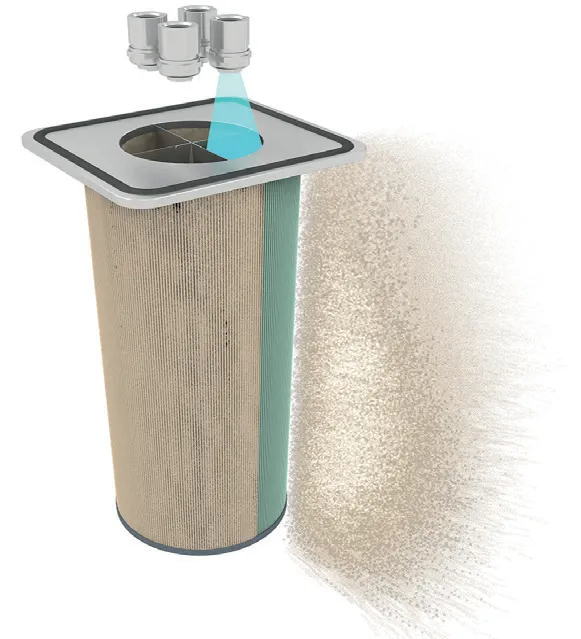
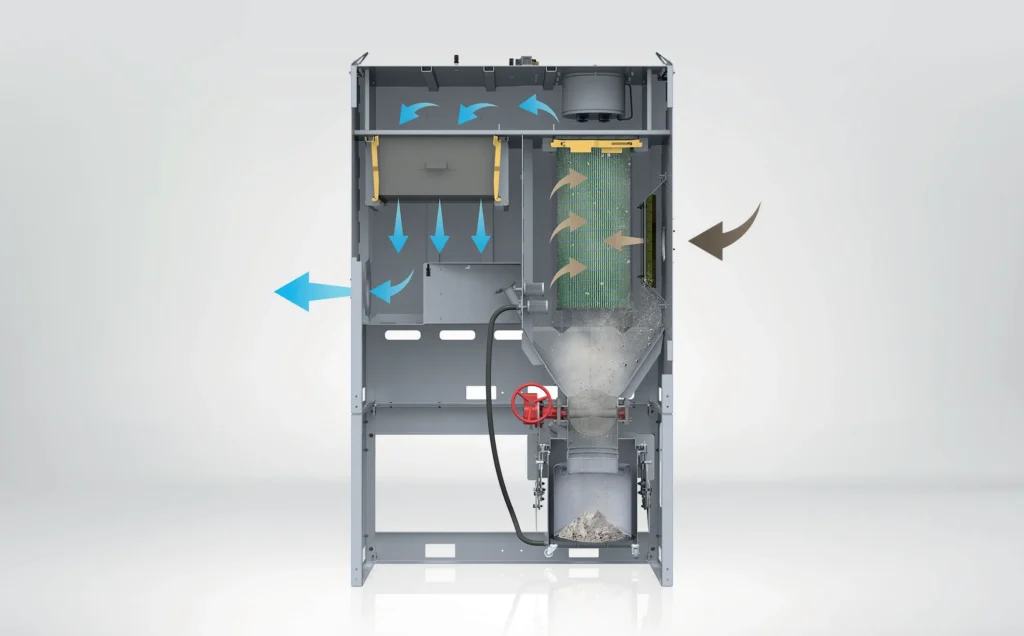
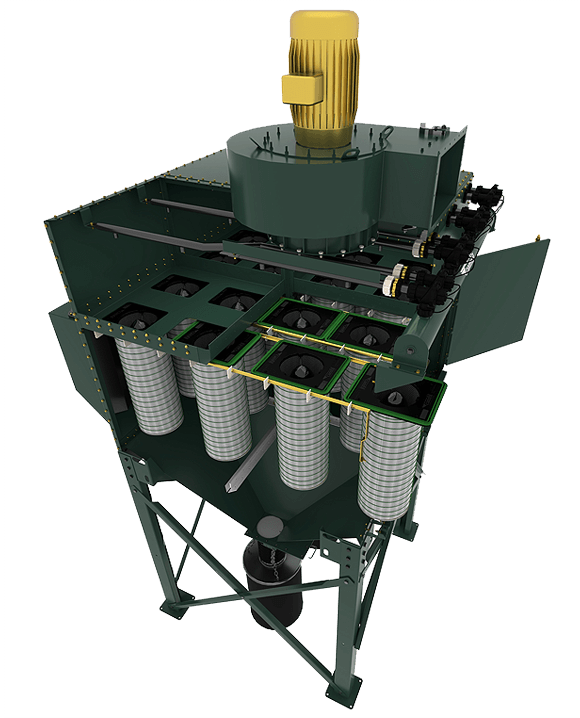
Horizontally mounted dust collector cartridge filters can allow heavy dust to settle on top of the cartridges, making pulse cleaning less effective. If workers must open the collector more often to rotate or service filters, they may face additional exposure risk. Vertically mounted filter cartridges help dust release more uniformly from the pleats during pulse cleaning and allow gravity to move collected material toward the hopper.
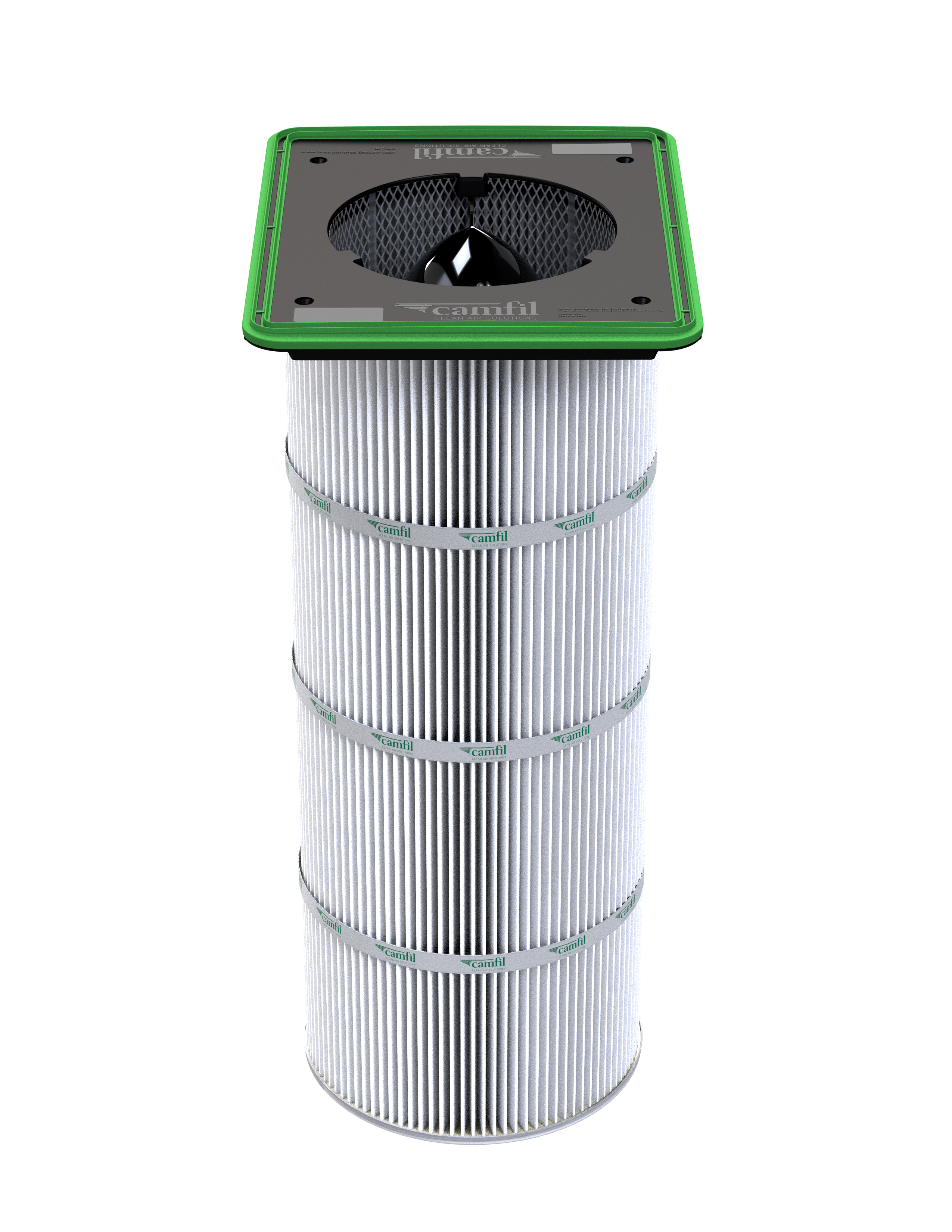
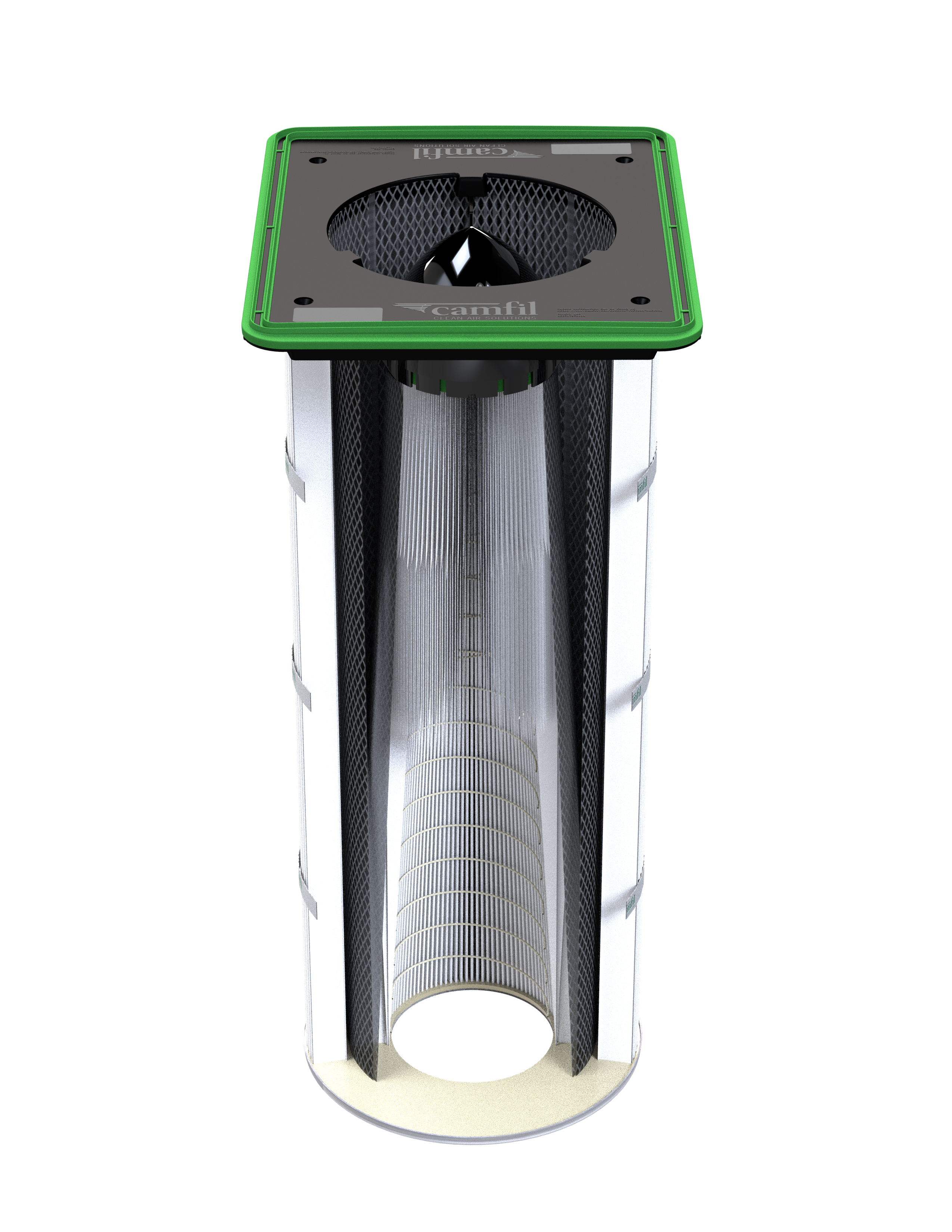
Pleat spacing also matters. Tightly packed pleats can trap dust between folds, increase pressure drop and reduce airflow. Wide-pleat designs can improve dust release, help maintain airflow and reduce the frequency of filter changeouts.
For respirable silica applications, filter selection should be based on tested dust characteristics, required collection efficiency, system airflow and the need to reduce emissions from the collector exhaust. In some applications, secondary HEPA filtration may be appropriate to help capture fine particulates that pass through the primary filters.
Supporting Silica Dust Control with Administrative Procedures and Respiratory Protection
Engineering controls should be the primary method for reducing silica exposure, but they are not the only layer of protection. Administrative procedures can help reduce the amount of time employees spend in higher-exposure areas. These may include rotating personnel where appropriate, restricting access to regulated or high-dust areas and developing clear procedures for maintenance and cleanup.
OSHA’s general industry and maritime silica guidance states that respirators must be provided when dust controls cannot limit exposures to the PEL. Respiratory protection must be supported by proper selection, fit testing, training and program administration. Respirators should not be used as the first or only control when feasible engineering controls can reduce exposure at the source.
Housekeeping and Maintenance Practices for Dust Control in Mining
Housekeeping can either reduce silica exposure or make it worse. Dry sweeping, uncontrolled compressed air and poor cleanup procedures can re-entrain settled dust and create new airborne exposure.
For dust control in mining and mineral processing facilities where silica dust may be generated, safer practices may include:
- Using dust collection at cleanup points
- Vacuuming with equipment designed for hazardous dust
- Avoiding dry sweeping where feasible
- Using wet methods carefully where they do not create other hazards
- Keeping floors, ledges, structural steel, ducts and equipment surfaces free of excessive dust buildup
- Emptying hoppers and dust containers before material backs up into the collector
Maintenance procedures should also address filter changeouts. Filters should be pulsed down before replacement to remove as much dust as possible. After pulsing, workers should allow dust to settle before opening access doors. Used filters should be handled carefully to prevent dust release, sealed promptly and disposed of according to the facility’s waste handling requirements.
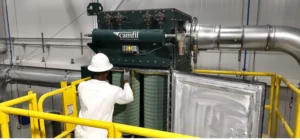
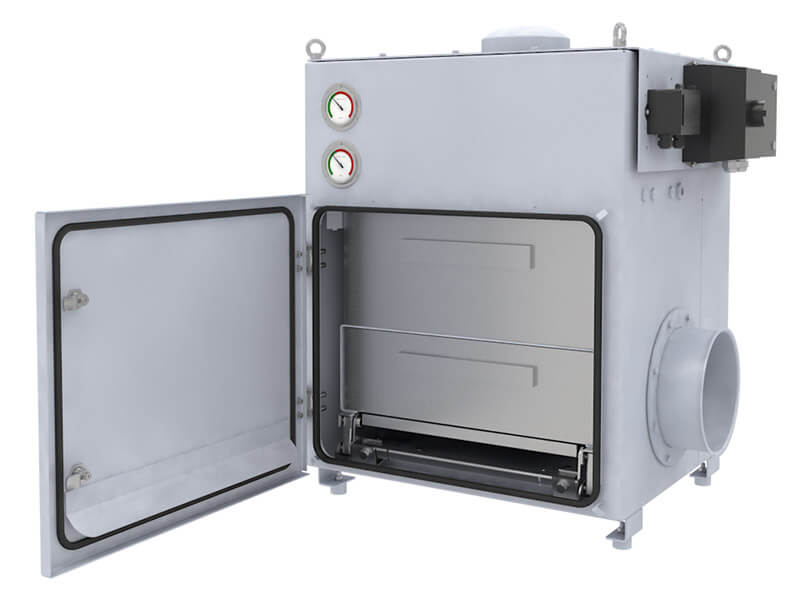
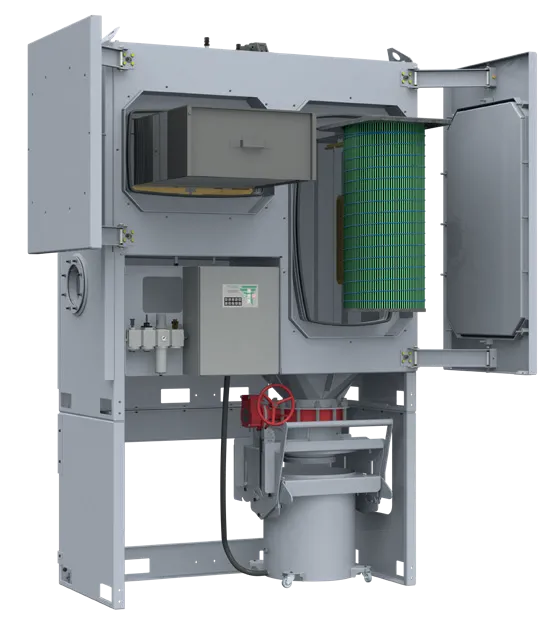
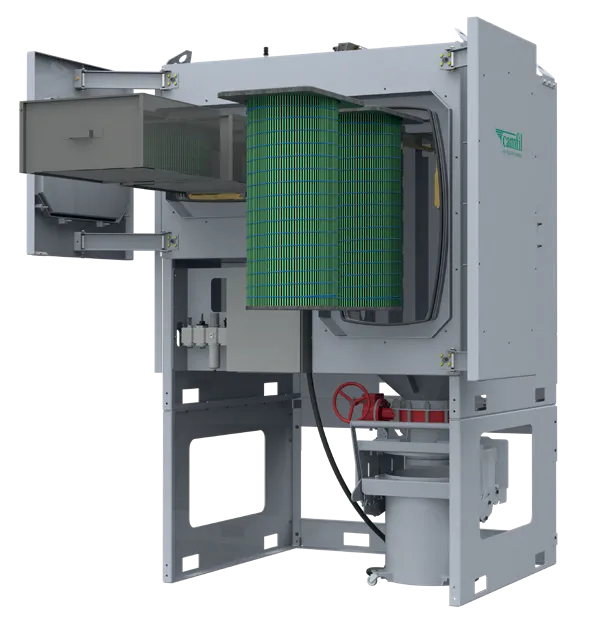
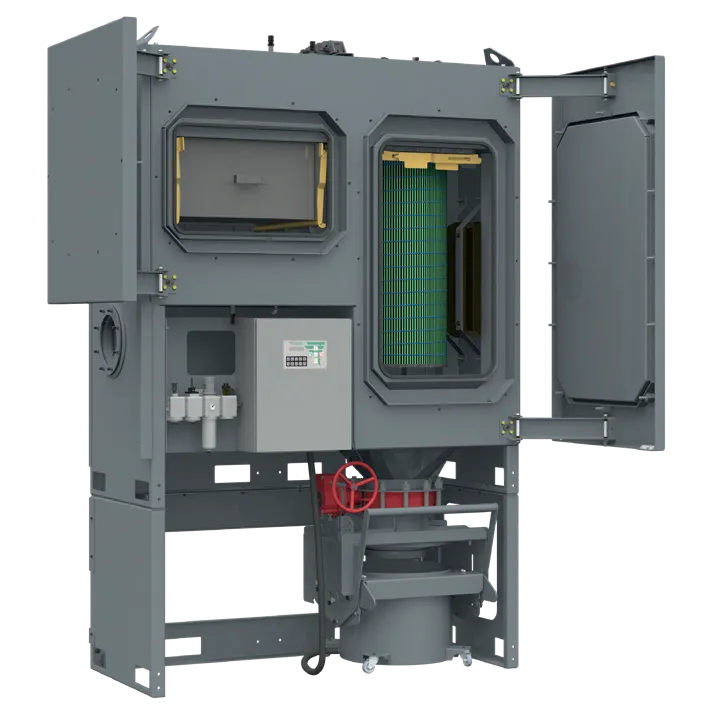
A dust collector designed for safe filter access can reduce exposure during maintenance. Workers should not have to enter the collector to change filters. Quick-access doors, slide-out filter designs and lockout provisions can help make maintenance safer and more consistent.ss doors, slide-out filter designs and lockout provisions can help make maintenance safer and more consistent.
Building a Silica Dust Control Program for Mining
A strong silica dust control program should connect exposure monitoring, engineering controls, maintenance, training and documentation.
For mining and mineral processing operations where silica dust may be generated, the program should answer several practical questions:
- Where is respirable crystalline silica generated?
- Which employees may be exposed at or above the action level?
- What exposure data is available?
- Which controls are in place at each dust generation point?
- Are dust collectors performing as designed?
- Are filter changeouts and hopper cleanouts creating secondary exposure?
- Are housekeeping procedures preventing dust accumulation and re-entrainment?
- Are workers trained in silica hazards, control methods and PPE requirements?
- Are regulatory obligations being reviewed as OSHA and MSHA requirements evolve?
Camfil Solutions for Dust Control in Mining and Silica Processing
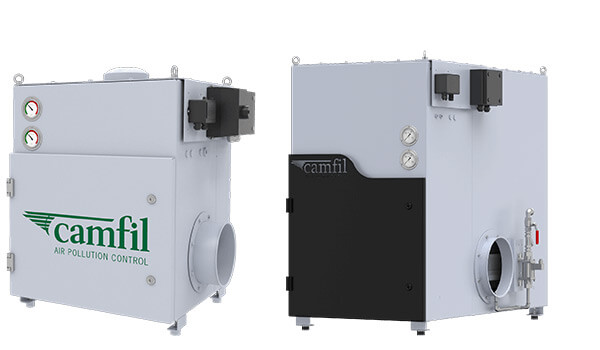
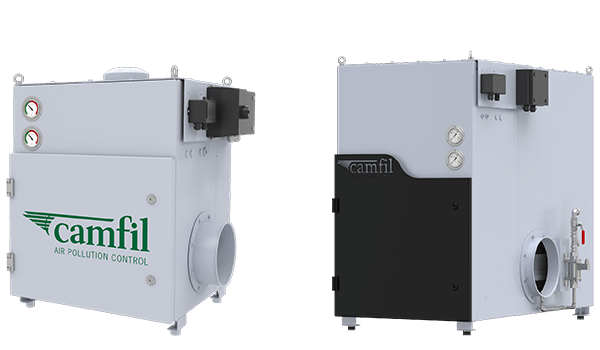
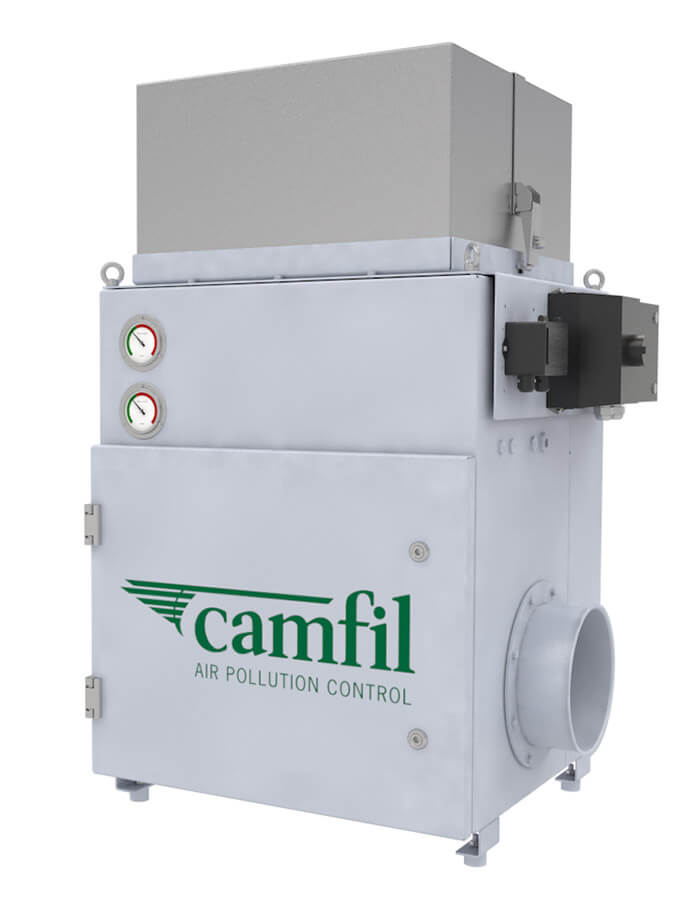
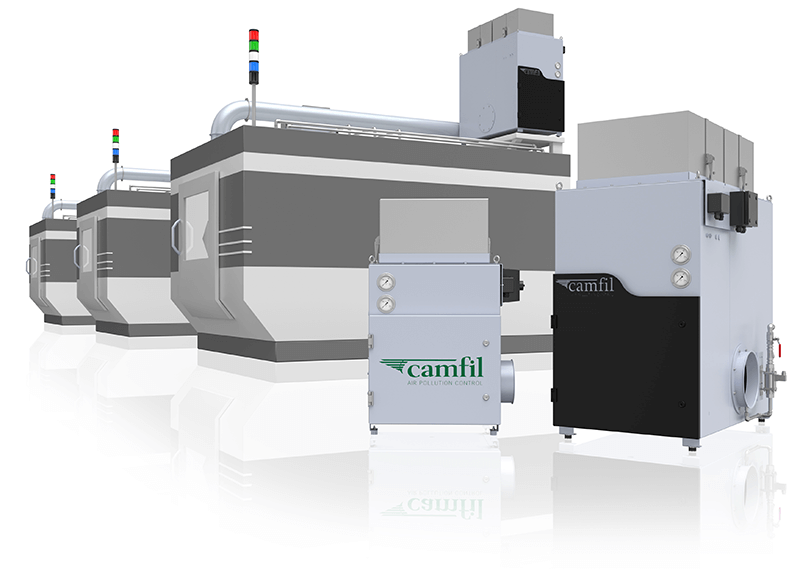
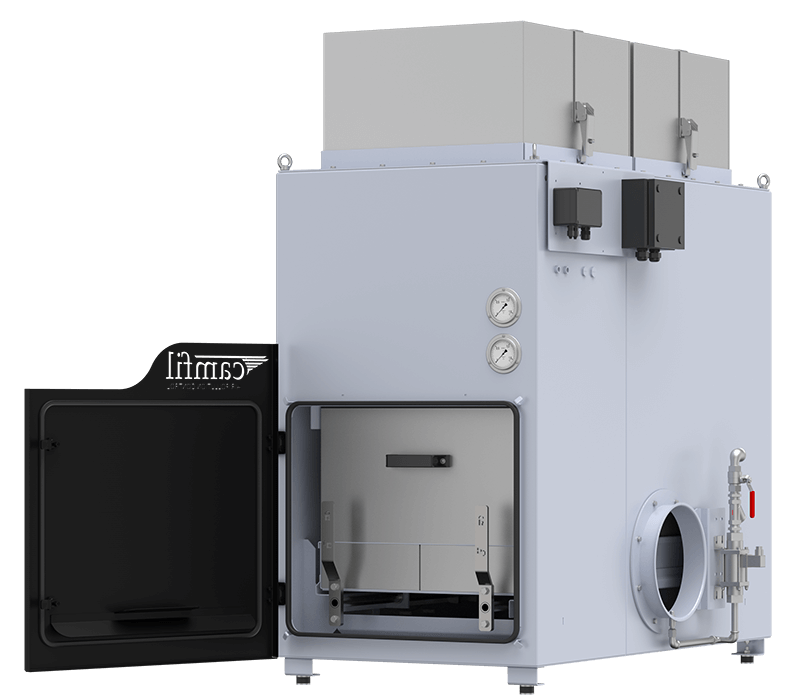
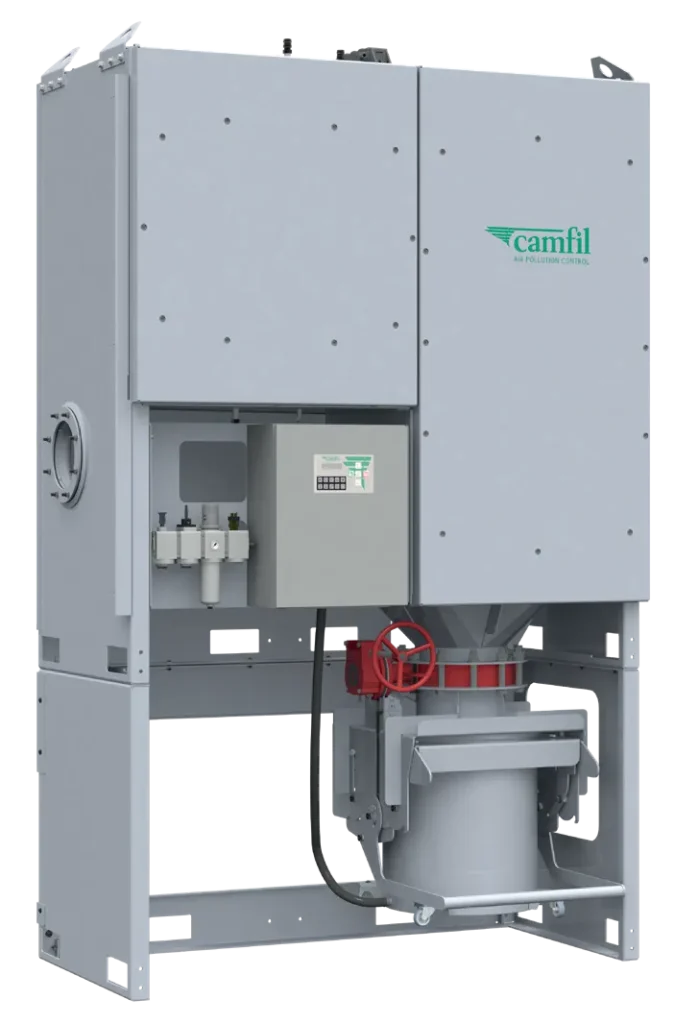
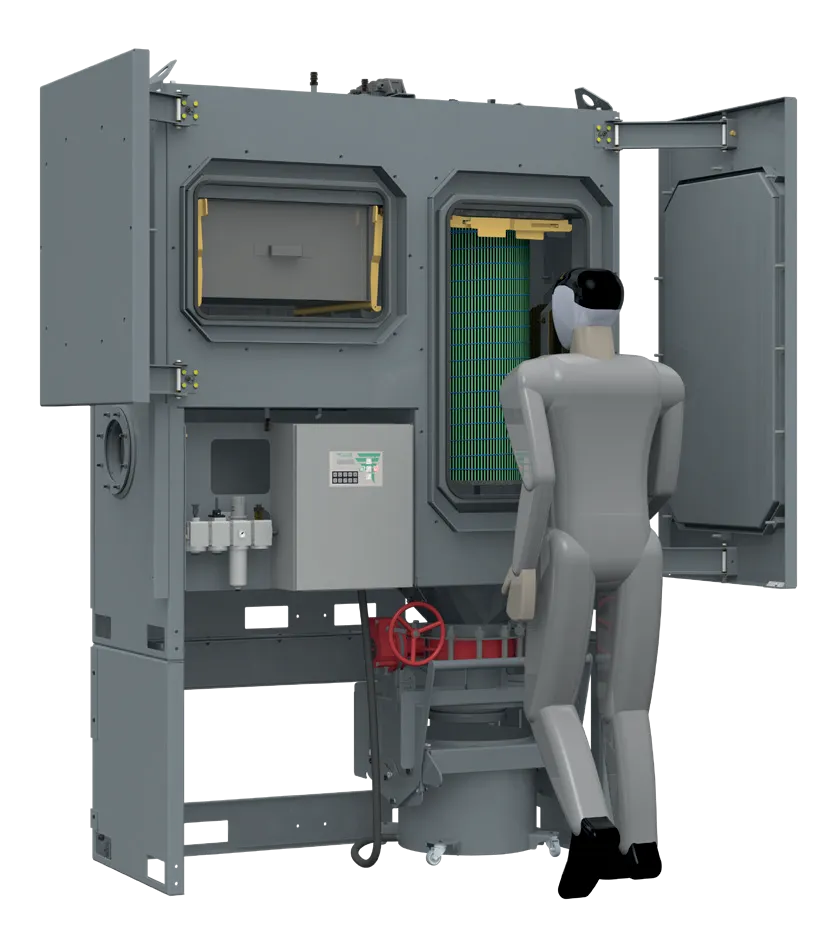
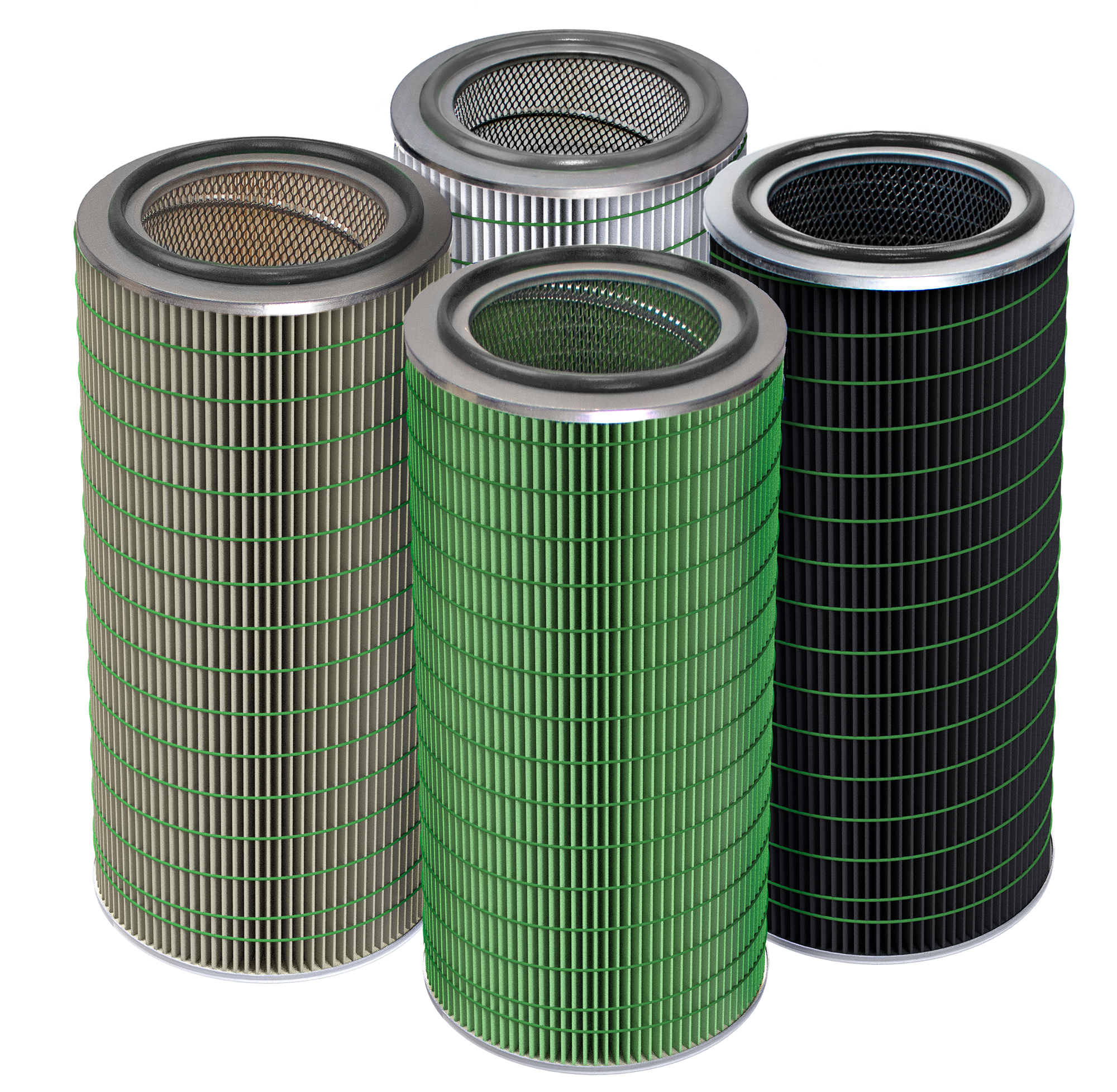
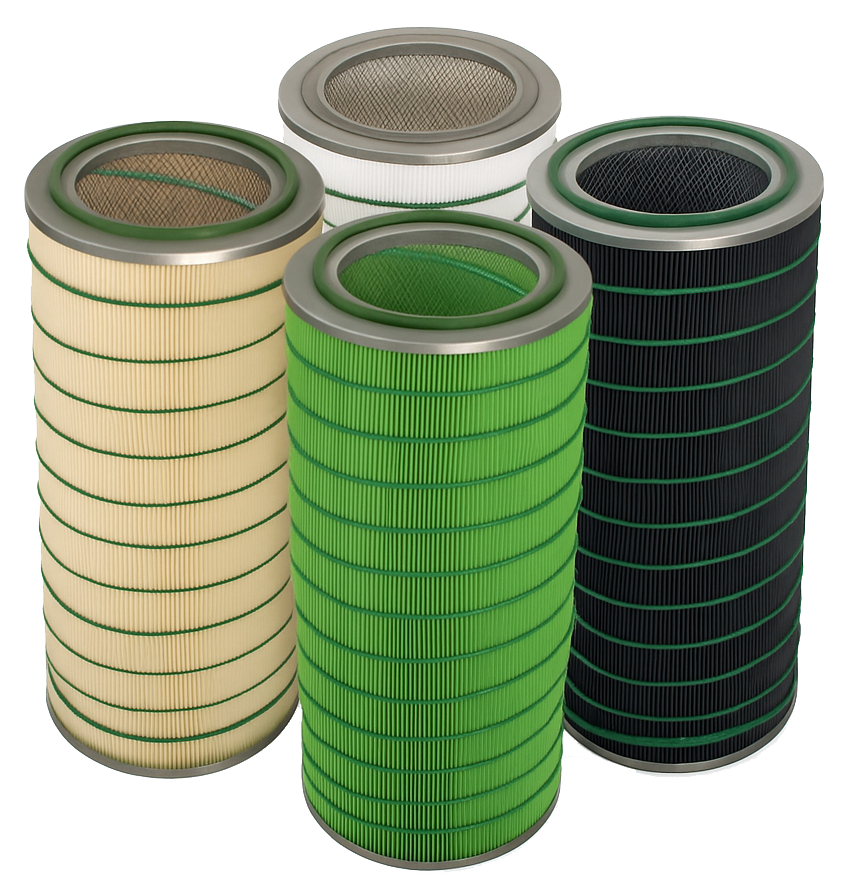
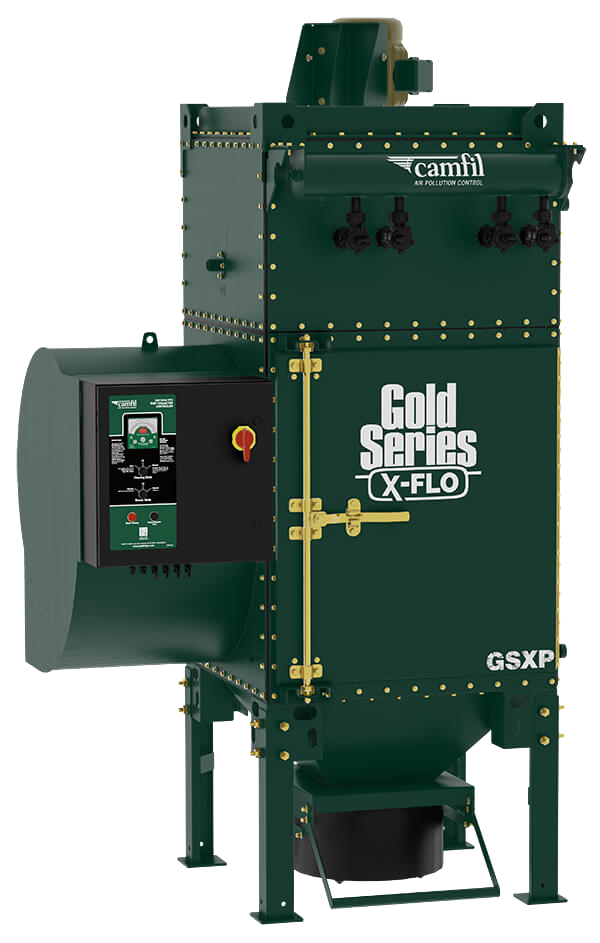
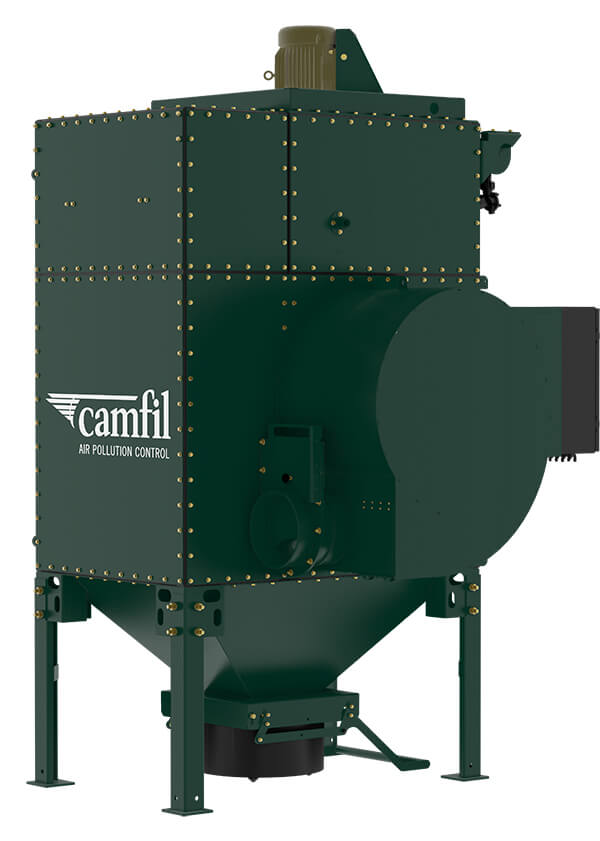
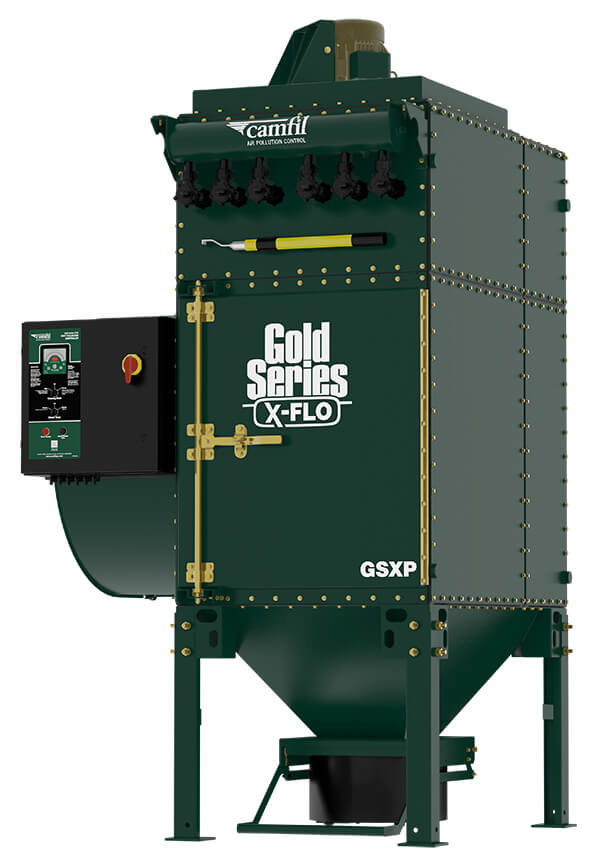
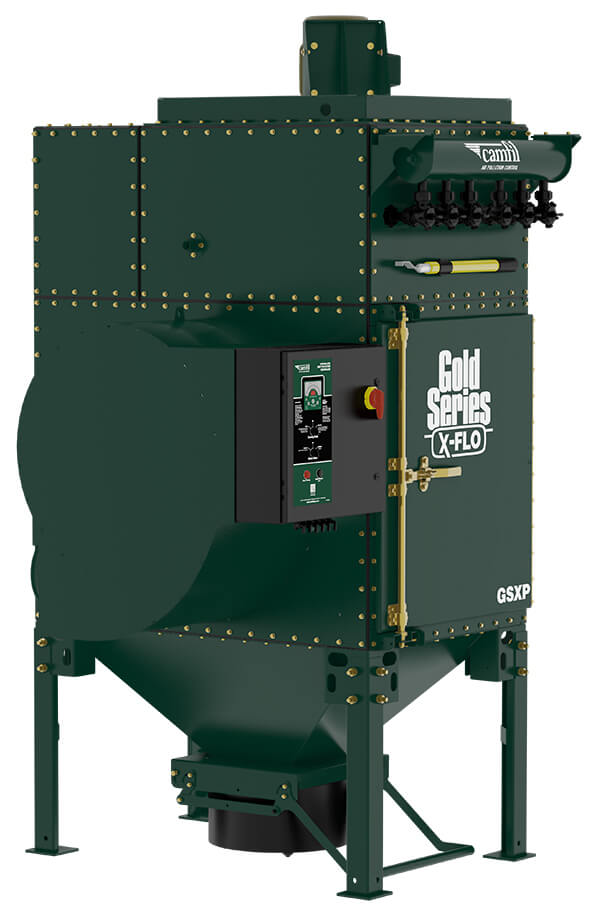
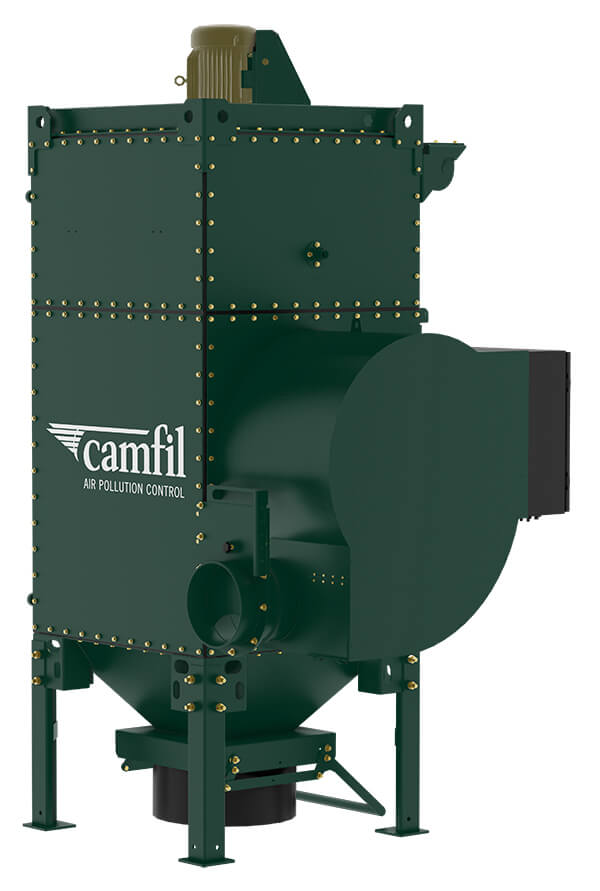
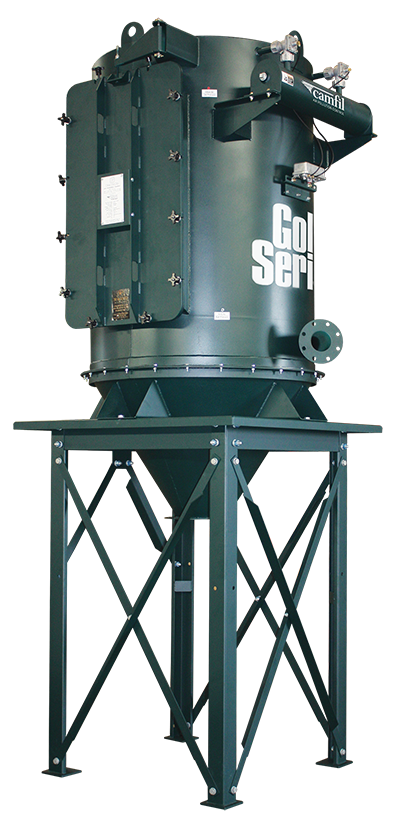
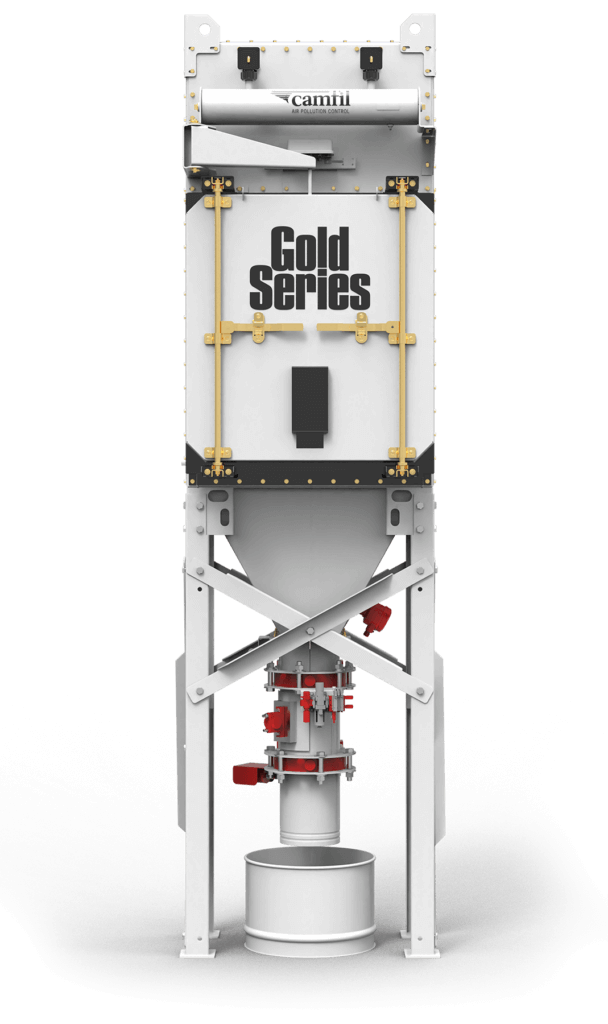
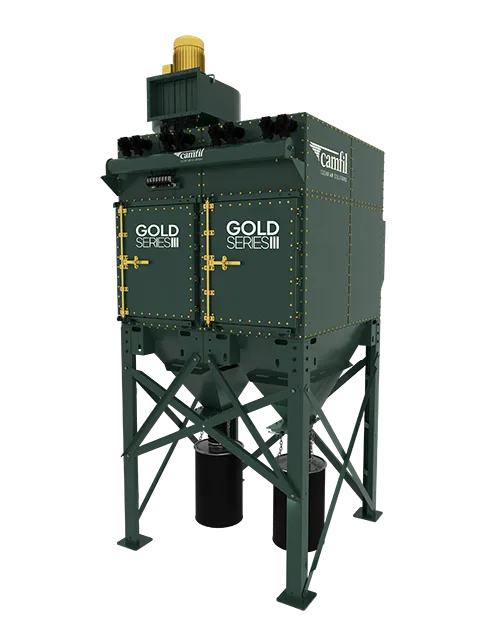
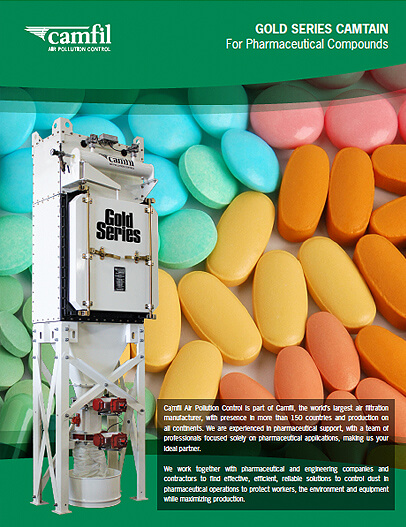
Camfil’s Gold Series industrial dust collector with HemiPleat® Gold Cone filter cartridges is designed for applications where dry materials are batch mixed, conveyed and processed, making it well suited for dust control in mining and mineral processing environments. The system combines high-performance filtration, modular construction and heavy-duty carbon steel construction to meet the demands of challenging industrial applications.
For mining operations, Gold Series industrial dust collectors are uniquely suited to meet 2.5 micron and 10 micron size particulate matter (PM) ranges. They can be equipped with specialized filter media, including eXtreme media rated MERV 15 per ASHRAE 52.2:2007, to help capture fine particulates while maintaining lower pressure drop and longer filter life.
For silica and hard rock applications, emissions performance is especially important. Gold Series collectors exceed the lowest emissions requirements for compliance stack testing with results of less than 0.001 gr/dscf on hard rock crushing screening and conveying operations.
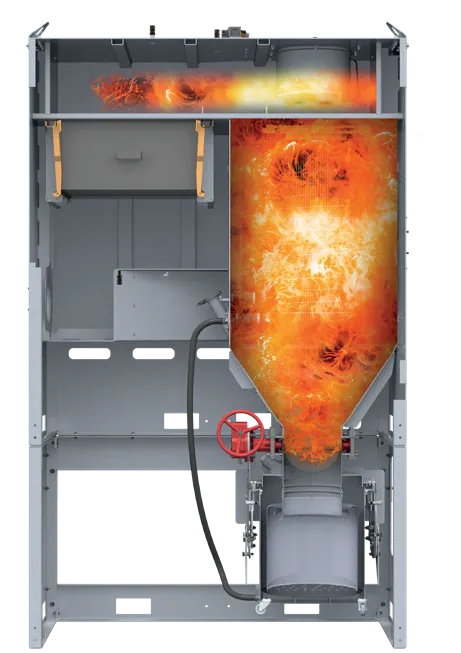
The collector is also tested to meet NFPA and ATEX standards and is available with numerous explosion protection options for applications where combustible dust risks must be evaluated.
Maintenance access is another important consideration in silica dust control. Gold Series collectors are designed for ease of installation, operation and service, with an optional bag-in/ bag-out filter change-out system that can help reduce worker contact with collected dust during maintenance.
Conclusion
Effective dust control in mining and mineral processing must balance production demands, worker safety and regulatory responsibilities. Although respirable crystalline silica is often invisible, exposure can cause severe and permanent health effects. By capturing dust at the source, testing the material, selecting properly designed collection equipment, maintaining filters and hoppers and staying current with OSHA and MSHA requirements, operators can reduce exposure and create safer, more compliant facilities.
Camfil APC can evaluate your process, dust characteristics, airflow requirements and emissions goals to help configure a Gold Series dust collection system for your mining or mineral processing operation. Contact Camfil to discuss a customized Gold Series dust collector system.
Frequently Asked Questions About Silica Dust in Mining
What processes require dust control in mining?
Dust control may be required wherever rock, ore, sand or aggregate is drilled, blasted, crushed, screened, transferred, conveyed, dried, stockpiled, bagged or loaded. Crushers, screens, conveyor transfer points and loadout areas are often the highest-priority locations for source capture.What is respirable crystalline silica, and why is it dangerous in mining?
Respirable crystalline silica is an extremely fine dust generated when silica-containing rock, sand, ore or aggregate is drilled, blasted, crushed, screened or conveyed. Because these particles are small enough to penetrate deep into the lungs, repeated exposure can cause silicosis, lung cancer, chronic obstructive pulmonary disease (COPD) and kidney disease. Controlling respirable crystalline silica is one of the highest priorities for protecting miners’ health.
Where is silica dust generated during mining operations?
Silica dust can be generated throughout a mining and mineral processing operation, including during drilling, blasting, crushing, screening, conveying, transferring, stockpiling, drying, bagging and loadout. Dust can also become airborne during maintenance and housekeeping activities if proper controls are not used.
What is the most effective method of dust control in mining?
The most effective method is to capture silica dust at the source using engineered dust collection systems, local exhaust ventilation, enclosed transfer points and properly designed hoods. Administrative controls, safe housekeeping practices, exposure monitoring and respiratory protection should supplement, but not replace, engineering controls.
What are OSHA and MSHA requirements for silica dust exposure?
OSHA regulates respirable crystalline silica exposure for general industry, while MSHA establishes exposure requirements for mining operations. Both agencies emphasize exposure monitoring, engineering controls, worker training, respiratory protection when necessary and written exposure control programs. Mining companies should stay informed of evolving MSHA requirements and court actions affecting enforcement.
What equipment generates the most silica dust in mining?
High dust-generating processes typically include:
- Crushers
- Screens
- Conveyors
- Transfer points
- Dryers
- Loadout stations
- Bagging equipment
- Material handling systems
These areas are often the highest priorities for dust collection system design.
How do dust collectors reduce silica dust exposure?
Industrial dust collectors capture airborne silica dust before it reaches workers’ breathing zones. Properly designed cartridge dust collectors remove dust at its source, reduce emissions, improve indoor air quality and help facilities comply with OSHA and MSHA exposure limits.
Why is dust testing important before selecting a dust collection system?
Silica dust characteristics vary significantly depending on the mining process and material being handled. Testing particle size, abrasiveness, moisture content, bulk density and flow characteristics helps engineers select the appropriate filter media, airflow, collector design and cleaning system for reliable long-term performance.
What type of filter media works best for silica dust control in mining?
The best filter media depends on the specific application, dust loading, particle size, moisture content and operating conditions. Wide-pleat cartridge filters and high-efficiency media are often selected for silica dust because they improve dust release, maintain airflow and extend filter life. Secondary HEPA filtration may also be appropriate where extremely low emissions are required.
Can housekeeping practices increase silica dust exposure?
Yes. Dry sweeping and compressed air can reintroduce settled silica dust into the air, increasing worker exposure. Vacuum systems designed for hazardous dust, source capture during cleanup and carefully controlled wet cleaning methods are generally safer alternatives.
What are the symptoms of silica dust exposure?
Early exposure may not cause noticeable symptoms. Over time, workers may develop persistent coughing, shortness of breath, chest tightness, fatigue or reduced lung function. Because silicosis is irreversible, preventing exposure through effective dust control is essential.
How can mining companies reduce worker exposure during filter changes?
Dust collectors designed with vertical filter orientation, quick-access doors and optional bag-in/bag-out filter replacement systems can reduce worker contact with collected silica dust during maintenance. Allowing filters to pulse clean and dust to settle before servicing also helps minimize airborne exposure.
How often should silica dust exposure be monitored?
Exposure monitoring frequency depends on regulatory requirements, process changes, historical sampling results and potential employee exposure levels. Mining operators should regularly evaluate exposure whenever equipment, production rates or operating conditions change.
How do mining companies develop an effective silica dust control program?
An effective silica dust control program combines exposure monitoring, engineering controls, properly designed dust collection systems, preventive maintenance, employee training, housekeeping procedures, respiratory protection where required and ongoing regulatory compliance. The program should be reviewed whenever mining processes or regulations change.
Why is source capture more effective than ambient air filtration for silica dust?
Source capture removes respirable crystalline silica at the point where it is generated, preventing it from entering workers’ breathing zones. Ambient air filtration can improve overall air quality but should not be relied upon as the primary method of controlling silica dust exposure because workers may already be exposed before airborne dust reaches the filtration system.
How do I choose the right dust collector for a mining operation that generates silica dust?
The right dust collector depends on the mining or mineral processing activity, airflow requirements, dust characteristics, abrasiveness, moisture content, emissions goals and applicable safety regulations. A dust collection specialist can evaluate the application and recommend an appropriate collector design, filter media and explosion protection features.