Americas

A foundry was dealing with a serious dust collection problem involving one of its OEM-supplied collectors. Dust was escaping into the work area, and the maintenance team was replacing filters every three months because of holes caused by abrasive dust, creating blow-by. Blow-by occurs when dust passes through or around damaged or poorly sealed filters instead of being captured by the dust collector.
Finding the Cause of Dust Collector Blow-By
In this case, the problem was not simply the filters themselves. The foundry’s maintenance and production teams shared used filters and photos of the collector’s interior. After evaluating the application, the Camfil team determined that the existing dust collector had been selected primarily to fit the available space rather than being designed for the actual dust load and operating conditions.
The inlet velocity was too high for the abrasive dust entering the unit, and the system did not provide enough usable filter media for the required airflow. Together, those conditions were contributing to premature filter damage and repeated dust leakage.
Watch the Full Foundry Dust Collection Story
In this video, Camfil’s Andy Thomason explains how the team identified the source of the problem and installed a custom-designed replacement system.
Why Abrasive Dust Can Damage Filters
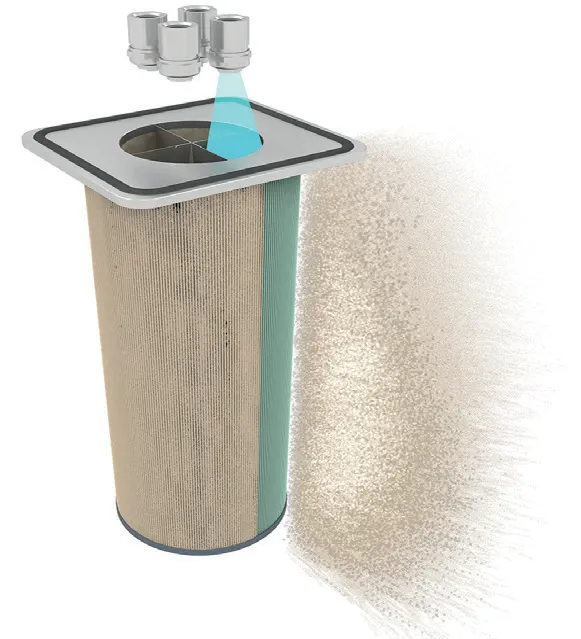
Foundry operations can generate heavy, abrasive particulate that places significant demands on dust collection equipment. When abrasive dust enters a collector at excessive velocity, the particles can strike internal components and filter media with enough force to cause premature wear. In this application, that wear eventually created holes in the filters, allowing dust to pass through and escape back into the work area.
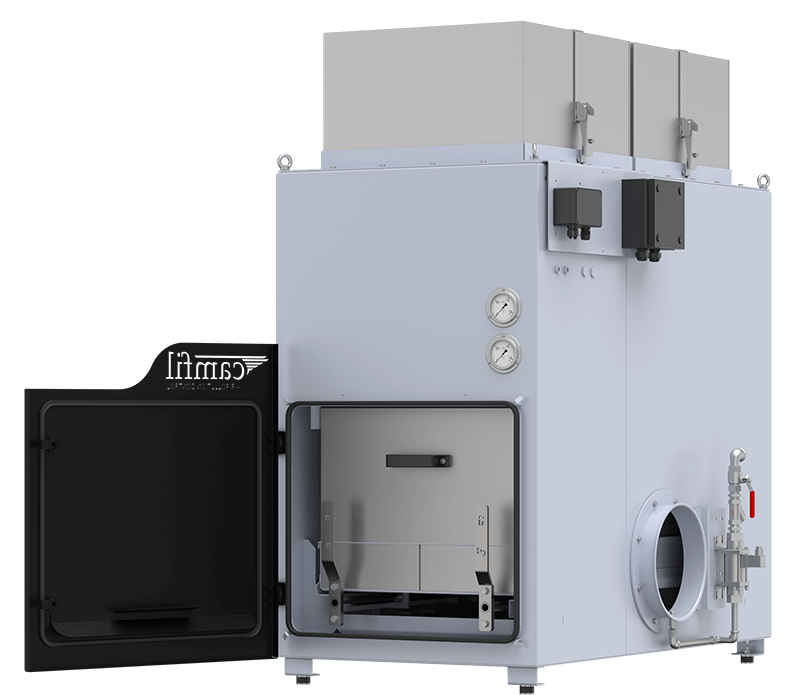
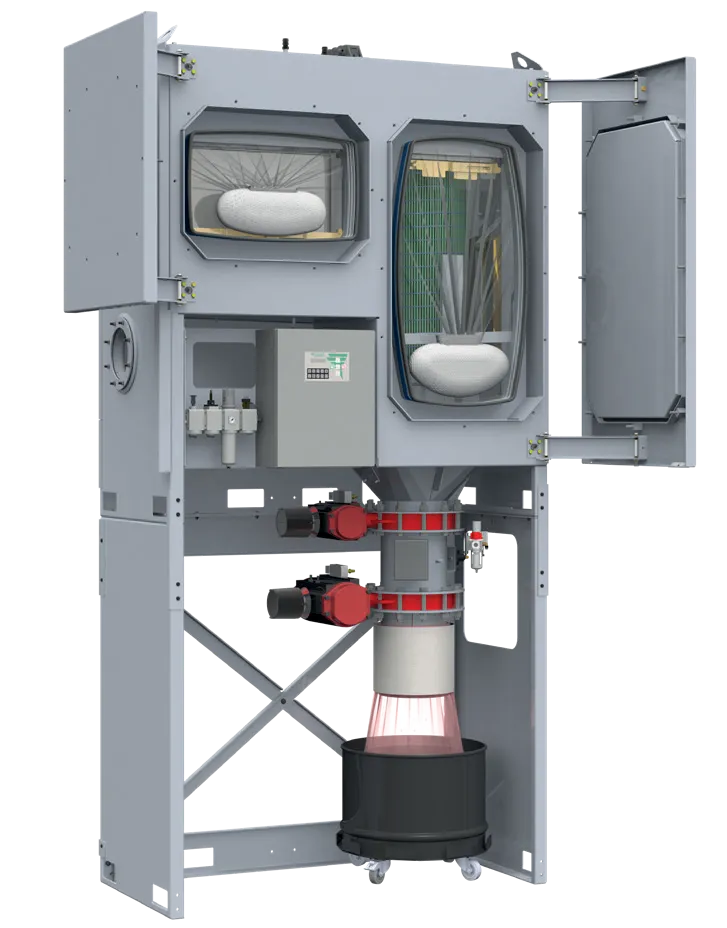
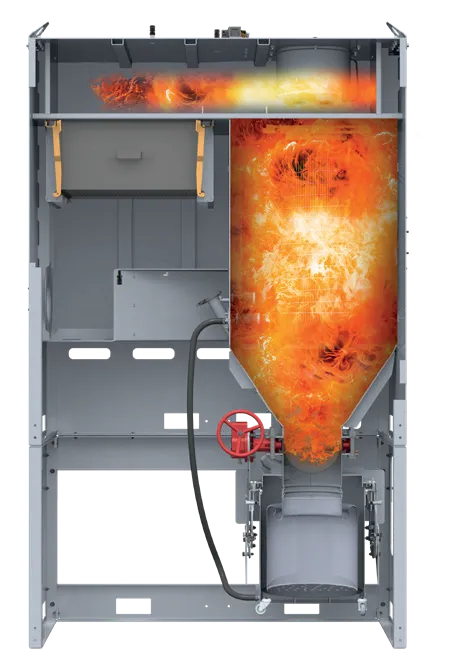
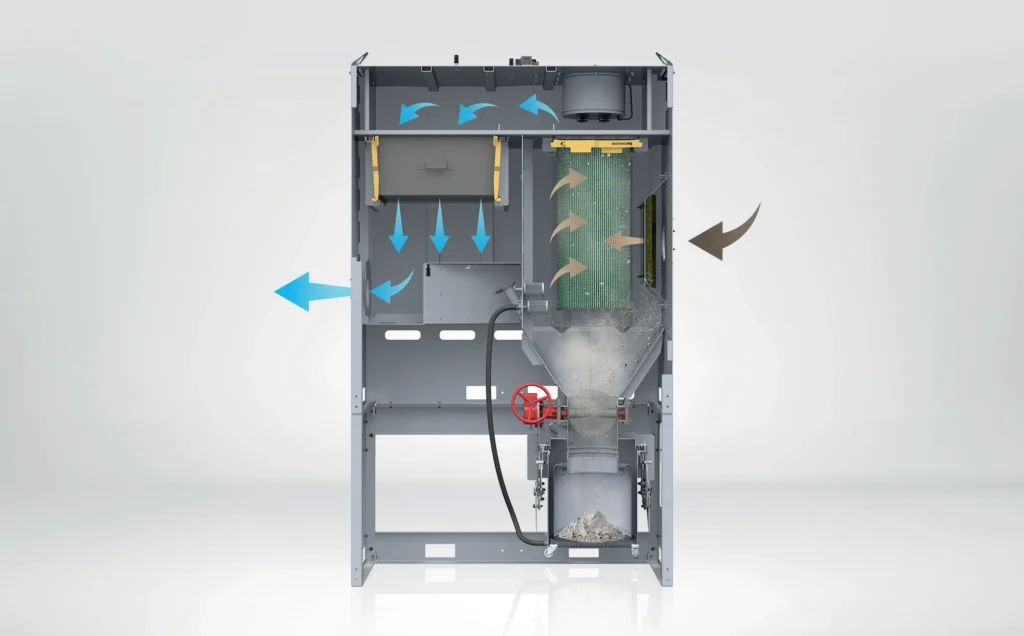
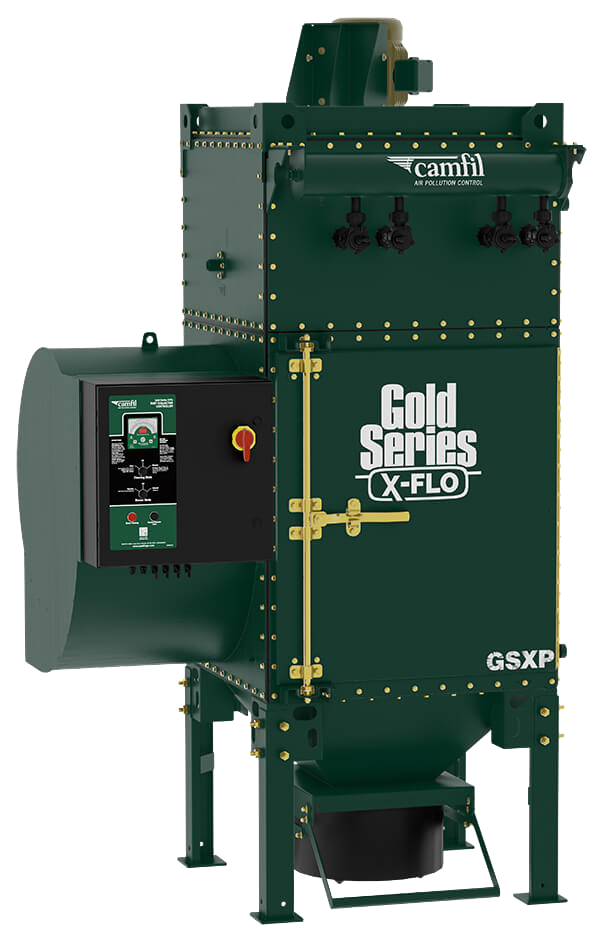
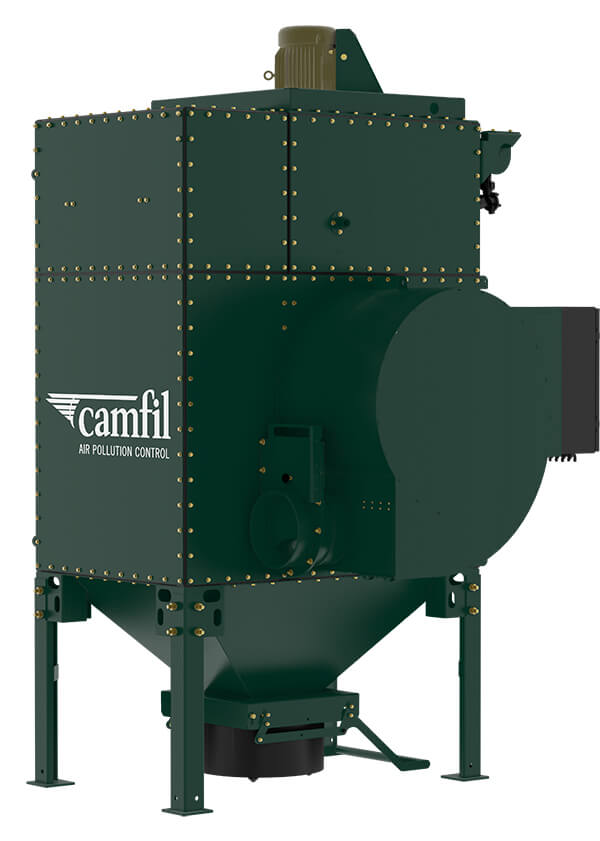
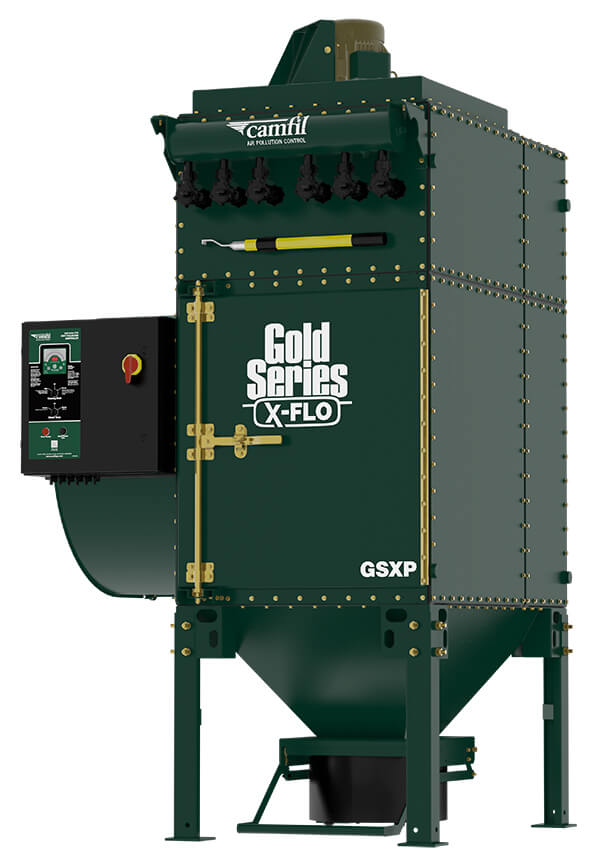
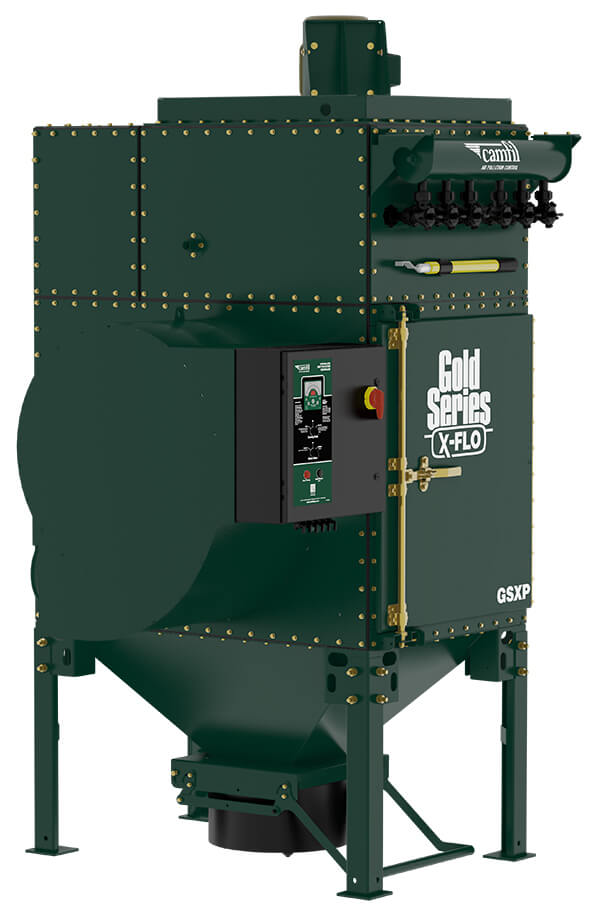
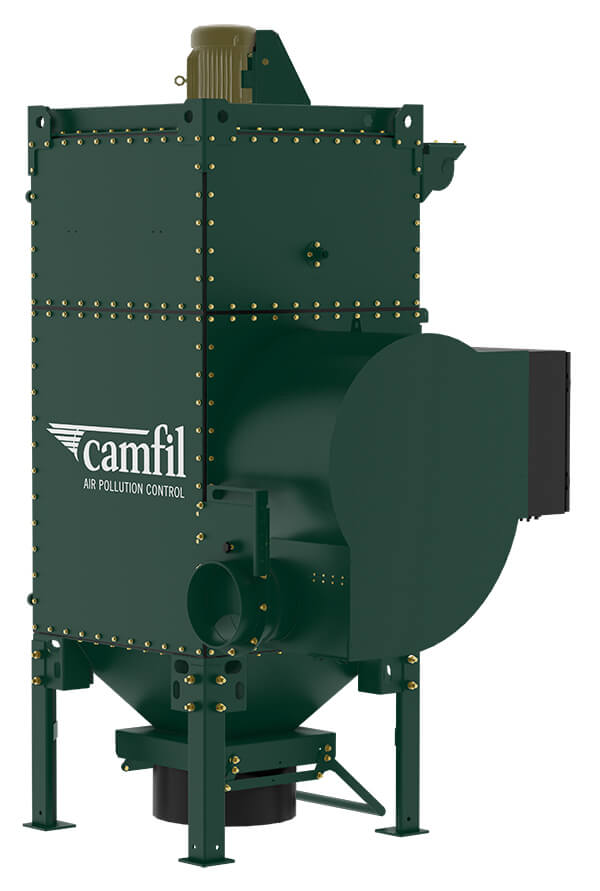
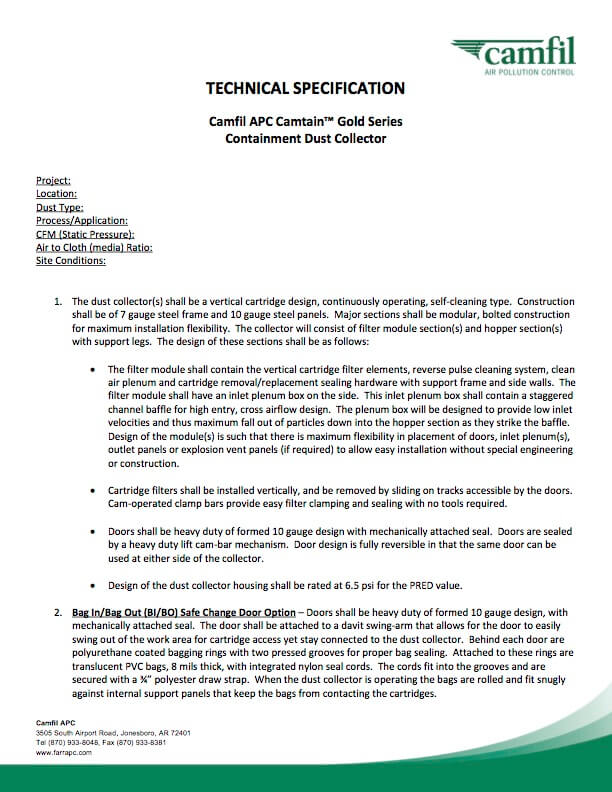
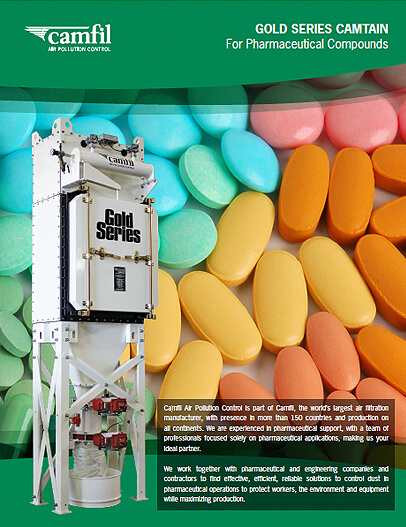
Camfil’s Gold Series dust collection systems are available with abrasion-resistant inlet configurations designed for heavy and abrasive particulate. The goal is to reduce the momentum of incoming particles before they reach the filters.
Why Air-to-Cloth Ratio Matters
Another major issue in this application was the amount of usable filter media relative to the airflow through the collector. The air-to-cloth ratio describes the relationship between the volume of air moving through a dust collector and the amount of filter media available to handle that airflow.
If too much air is pushed through too little filter media, filter loading increases and cleaning performance suffers. In heavy-dust applications, a high air-to-cloth ratio contributes to higher pressure drop, shorter filter life and more frequent maintenance.
For foundries and other heavy-dust operations, collector sizing calculations should include both airflow requirements and the volume and characteristics of the dust entering the system.
Signs a Foundry Dust Collector May Be Poorly Matched to the Application
Repeated filter problems can be a sign that the issue extends beyond filter quality alone. Potential warning signs include:
- Dust escaping from the collector
- Premature wear or holes in filter cartridges
- Frequent filter replacement
- High dust loading
- Rapid increases in pressure-drop
- Excessive airflow through limited filter media
- Visible dust accumulation around the collector
These symptoms should be evaluated as part of the complete system, including the inlet design, airflow, filter area, dust loading and particulate characteristics. Replacing filters repeatedly may temporarily restore performance, but it will not correct a collector that is improperly configured for the application.
Designing a Collector for the Foundry Process
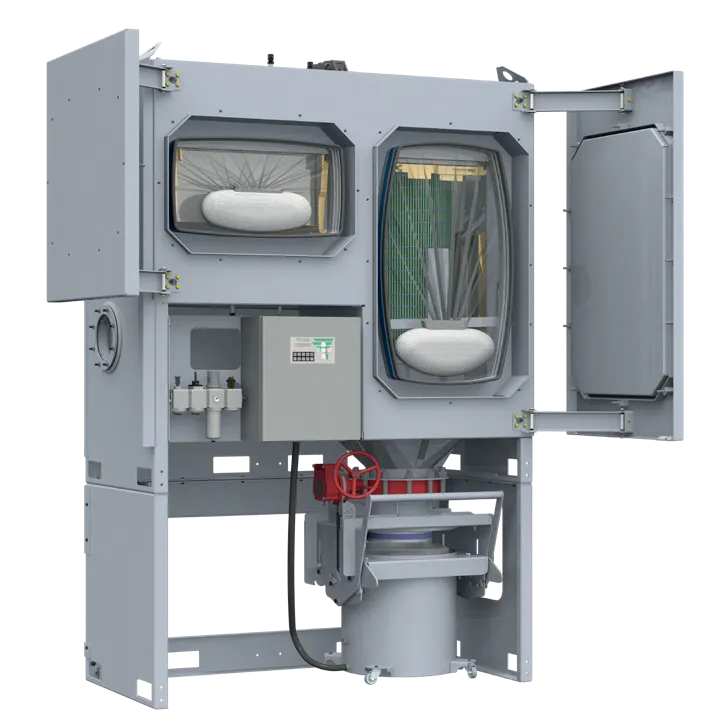
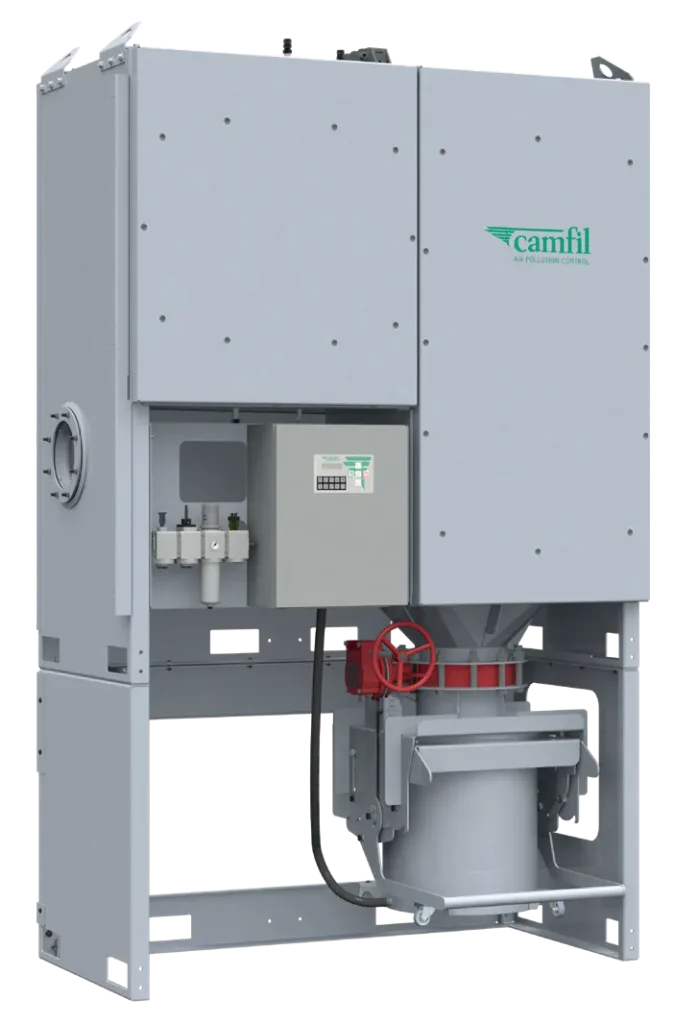
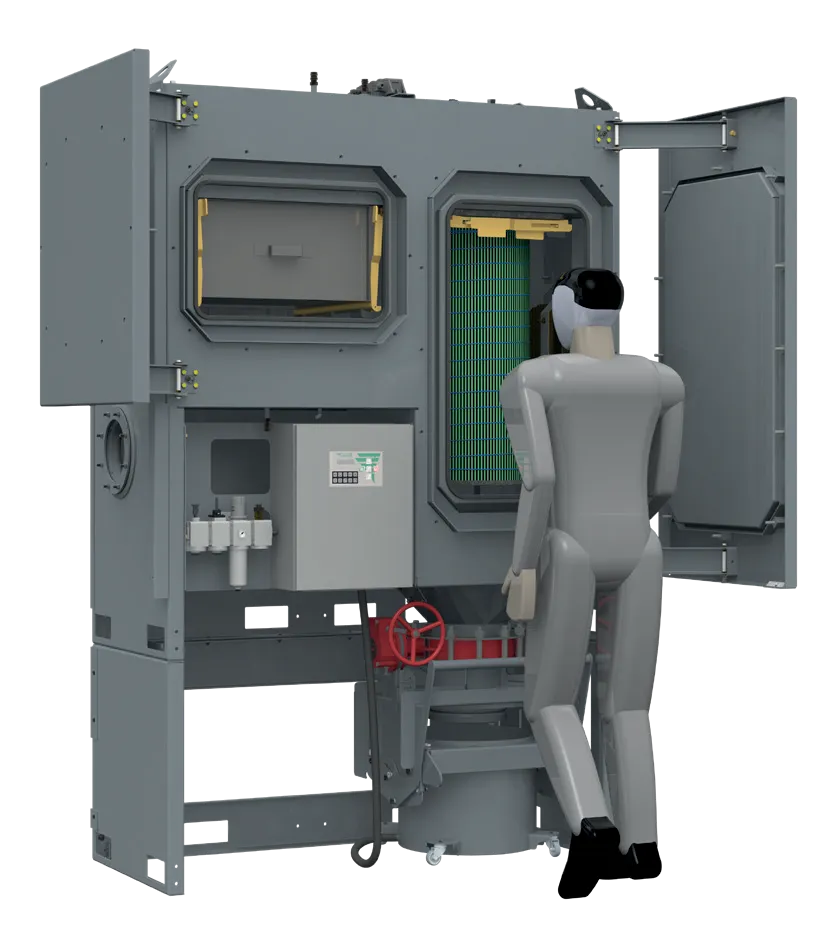
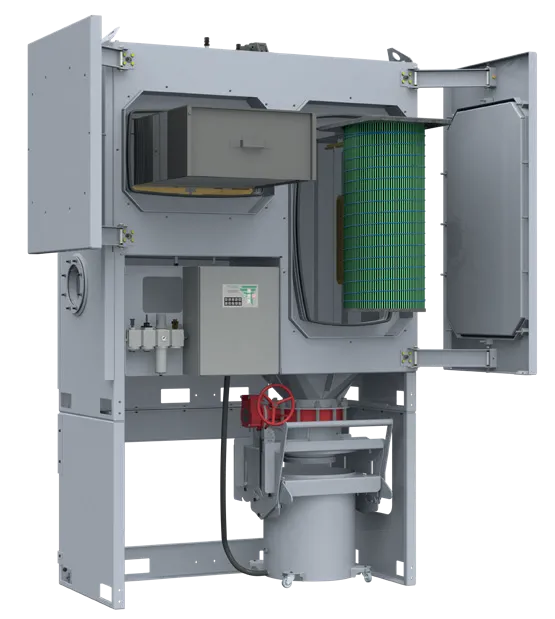
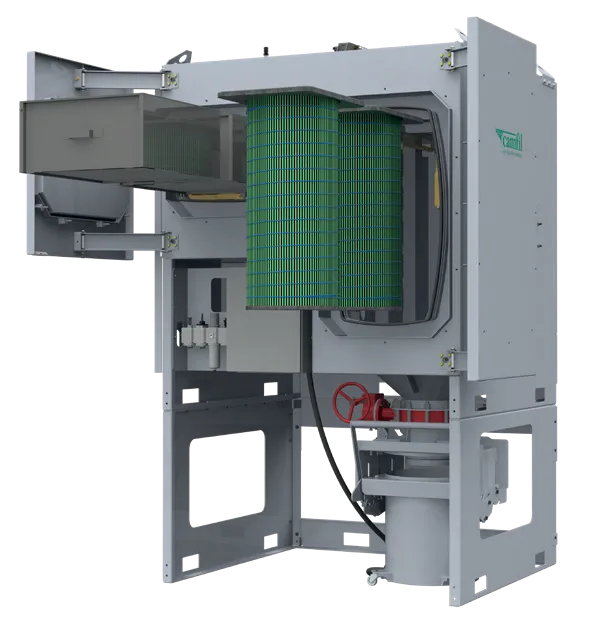
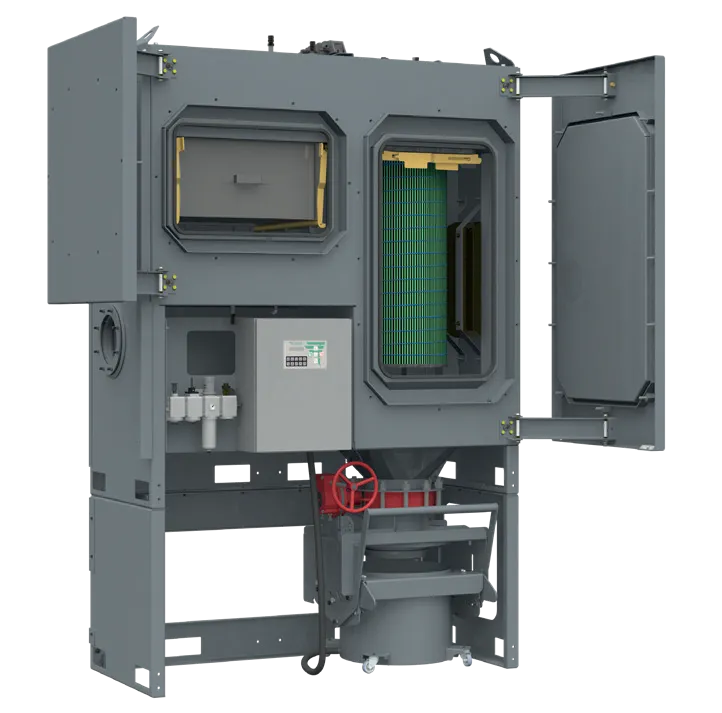
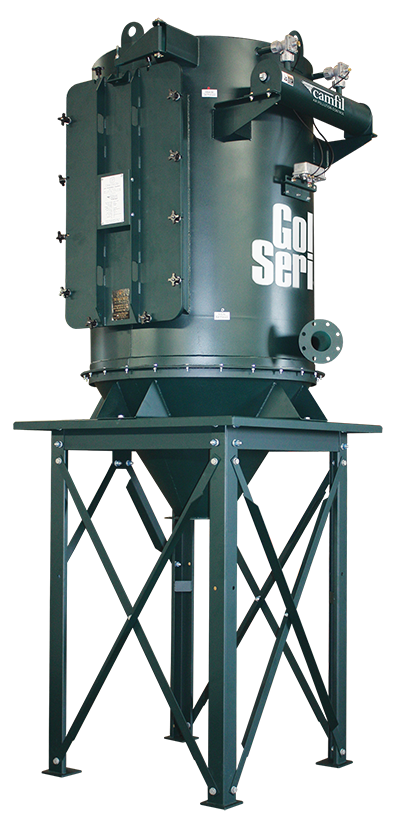
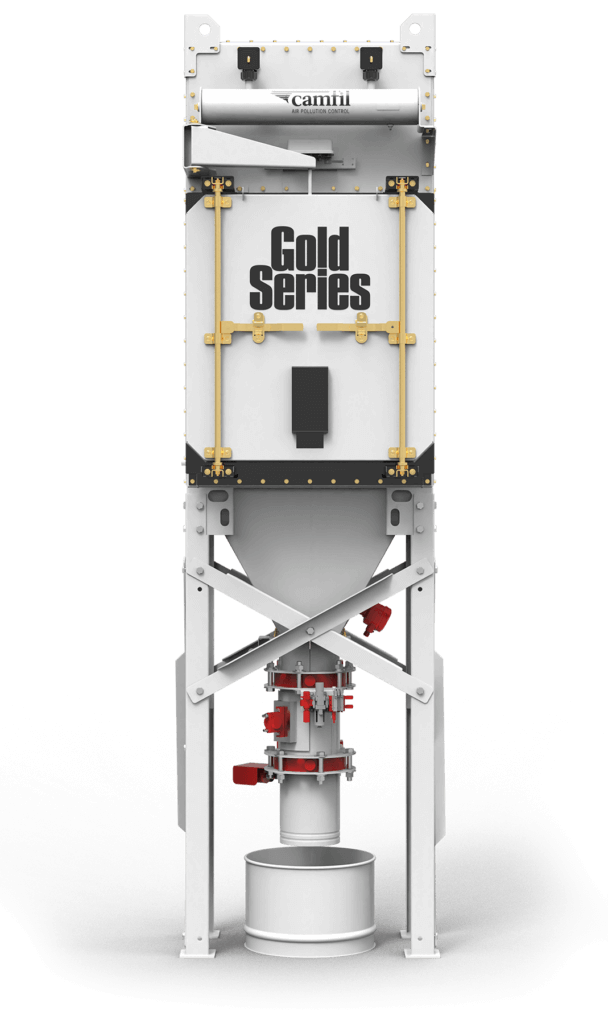
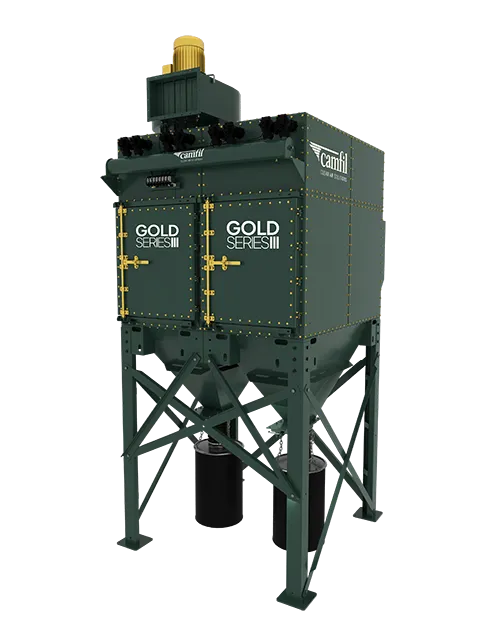
The Camfil team worked with the facility’s mechanical contractor to replace the existing collector during a three-day outage. The new Gold Series system incorporated several application-specific features:
- An abrasion-resistant inlet
- A specialized hopper configuration
- Structural support designed to match the existing iron framework
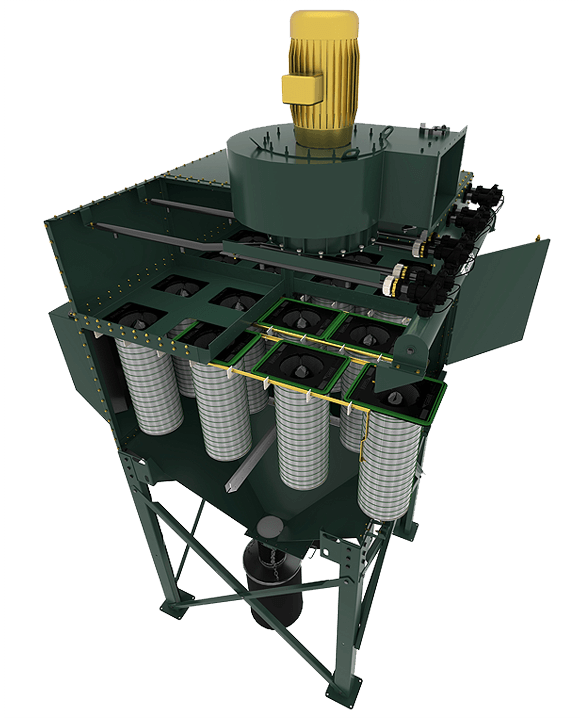
- Sufficient filter media for the required airflow
- A modular configuration that could fit the available installation space
In this foundry, correcting the inlet conditions and providing adequate filter media addressed the root causes of repeated filter damage and blow-by. The result was a long-term dust collection solution designed around the application’s operating conditions rather than the available space alone. Contact Camfil to learn more about industrial dust collectors for foundry applications.
Frequently Asked Questions About Foundry Dust Collection
What causes dust collector blow-by?
Blow-by occurs when dust passes through or around the filtration system instead of being captured. Causes can include damaged filters, poor seals or operating conditions that prematurely wear the filter media.
Can abrasive dust damage dust collector filters?
Yes. Abrasive particles entering a collector at high velocity can wear internal surfaces and filter media. Abrasion-resistant inlets and properly designed airflow paths can help reduce this wear.
What is air-to-cloth ratio in a dust collector?
Air-to-cloth ratio compares the airflow through a collector with the amount of filter media available. If too much air passes through too little media, filter loading and pressure drop can increase.
Why do foundry dust collector filters wear out quickly?
Frequent filter damage can result from excessive dust loading, abrasive particulate, high inlet velocity, inadequate filter area or a collector that is not properly designed for the application.
What should be considered when sizing a foundry dust collector?
Important factors include airflow, dust loading, particle characteristics, abrasiveness, filter media area, inlet design, hopper configuration and available installation space.