

 Australia


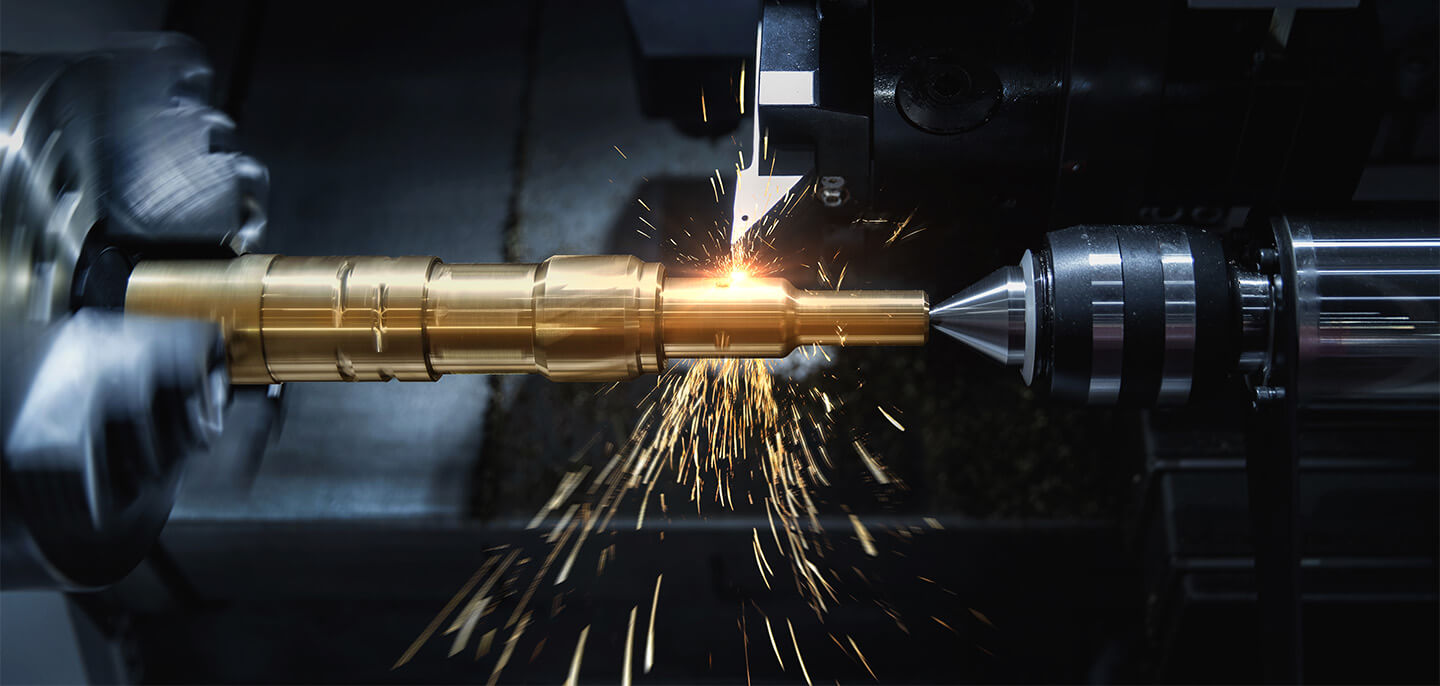
Improve Air Quality and Protect Workers
in Your Metalworking Facility or Shop
Metal centers and plants that generate combustible metal dust are at risk for explosions and must comply with OSHA and NFPA guidelines for hazardous dust. They also need to protect workers from toxic airborne particles released during processes like cutting, grinding, welding, blasting, thermal spraying and powder coating.
Whether you already have a dust collection system in place or are planning to install a new one, you need an experienced equipment supplier who can provide the best guidance. Camfil APC is committed to improving air quality in all types of metalworking facilities. Our Gold Series dust collectors effectively capture a wide range of harmful and combustible metal dusts, smoke and fumes.
Get eBook

Dust collectors are a proven engineering control for removing hazardous airborne contaminants, but their effectiveness varies by brand. Learn what to consider when selecting the right system.

Health Problems from Metal Dusts
OSHA defines the permissible exposure limit (PEL) for various materials. It is imperative to follow OSHA exposure guidelines for these and other metals, particularly where workers are at risk for long-term health effects.
- Metal dust particles in welding fumes are a leading cause of eye irritation, upper respiratory infections, coughs and headaches.
- Manganese in welding wire causes weakness, fatigue and headaches. Chronic overexposure leads to “manganism” which causes neurological and neurobehavioral problems. Learn more about OSHA PELs here.
- Hexavalent chromium (hex chrome) is a carcinogenic substance produced when welding stainless steel and other metals that contain chromium. Overexposure can cause upper respiratory damage, eye and skin irritations, rashes, allergies, contact dermatitis, sinus irritation, nosebleeds, stomach and nose ulcers, chest tightness, wheezing and shortness of breath. Long-term exposure can cause lung cancer and injury to the eyes, skin, liver and kidneys. The current OSHA PEL for hex chrome is extremely stringent compared to other materials.
- Zinc oxide is produced when welding galvanized steel. Exposure can cause “metal fume fever,” a short-term illness with severe flu-like symptoms. It is often confused with regular influenza and often goes undiagnosed.
Camfil Dust Collection Systems
Capturing dust, smoke, and fumes generated during metalworking processes is challenging, especially when floor space is limited. Proper design and coordination are essential to meet each facility’s unique needs. By combining guidelines from the ACGIH Industrial Ventilation Manual with our in-field experience and state-of-the-art filtration technology, Camfil APC ensures a properly sized, cost-effective, and space-saving dust collection system that is reliable, durable, and easy to maintain.
Combustible Dust Fire and Explosion Hazards
Airborne metal particles pose a serious explosion risk. Dust collectors help prevent combustible metal dust from accumulating on floors and surfaces, reducing this hazard. However, dust collection systems handling combustible dust must be properly sized for each application and designed according to a dust hazard analysis and NFPA 652 guidelines.
To ensure safety, dust collectors must also be equipped with the appropriate explosion protection equipment, including explosion vents, flame-retardant cartridges, and, in some cases, spark traps. A well-engineered dust collection system minimizes risk, protects workers, and helps manufacturers stay compliant with OSHA regulations and NFPA standards.. Camfil APC’s compliance experts are ready to help.
APPLICATIONS THAT CAN CREATE DANGEROUS DUST




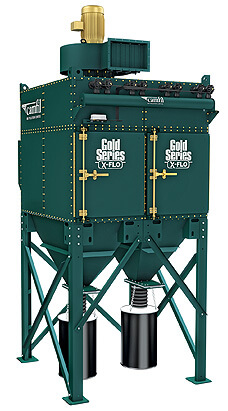
GOLD SERIES INDUSTRIAL DUST COLLECTORS
The modular Gold Series dust collector was engineered to rid facilities of metalworking dust with a minimal footprint.
- Respiratory Health — A well-designed and maintained dust and fume collection system prevents respiratory problems and keeps facilities in compliance with current air quality requirements.
- Maintenance — The equipment that fabricating plants currently use has reached a new level of sophistication. Controls and other computerized systems are more sensitive than the machinery of 10 or 20 years ago. If welding fumes are not managed properly, electronic controls can fail, shutting down operations and requiring emergency repairs. This causes production downtime, frustration and costly losses in productivity.
- Energy Savings — In cold climates, a proper weld fume ventilation system can significantly reduce your energy costs by recycling filtered air and lowering the need for costly makeup air.
